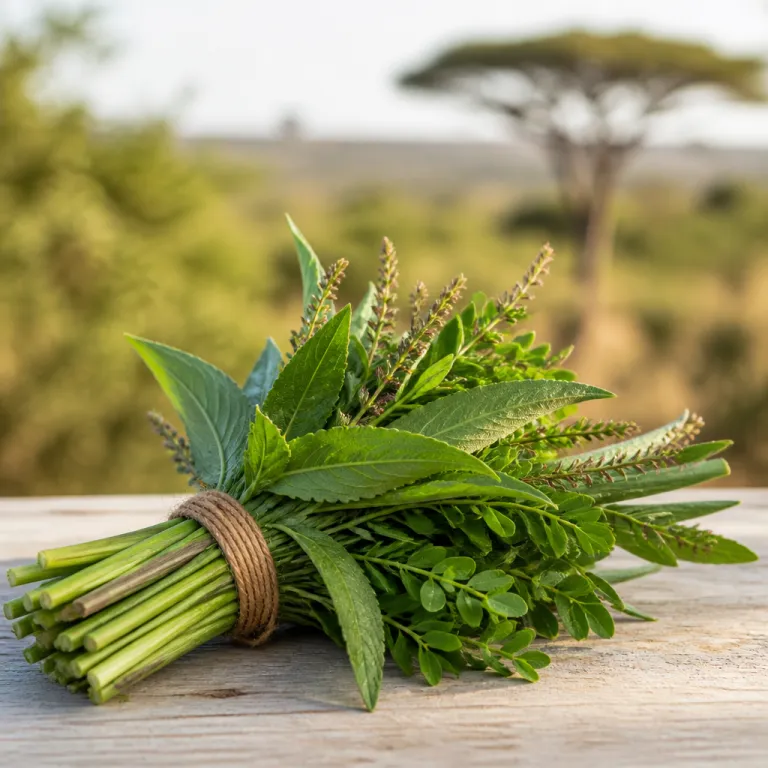
From runway to riverbank: why safari chefs in Tanzania forage
Touch down at an international airport in Tanzania and the usual luxury cues appear quickly. Yet the most memorable moments with a safari chef in Tanzania rarely happen in marble lobbies; they unfold where wild rosemary brushes your legs on the walk back from a wildlife safari. Out here, the landscape shapes every culinary experience, and the best kitchens treat the bush itself as a pantry.
Remote lodges in northern Tanzania, from the Serengeti to the rim of Ngorongoro Crater, balance weekly supply runs with daily foraging walks led by guides who read the land like a menu. Camp cooks and head chefs work with local people and trackers who understand bushcraft and survival skills, so guests taste ingredients that have defined life for generations rather than anonymous imports. This is where a wildlife safari becomes a sensory journey, with Tanzania food traditions that reflect the same ecosystems you crossed earlier that day.
For solo travelers planning their travel, this shift matters because it changes how you choose a property and how you plan each day. A camp that invests in bushcraft skills, foraging knowledge and respectful partnerships with nearby communities will serve plates that tell a story, not just satisfy hunger. When you book through a curated platform such as mytanzaniastay.com or work with a specialist tour operator, you can filter for lodges where the safari kitchen’s foraging philosophy is as strong as the game viewing.
What the bush gives: herbs, fruits and greens on the chef’s path
Between morning and afternoon game drives, many safari chefs step off the vehicle and into the scrub with a guide, turning a short visit to a nearby kopje into a quiet forage. They hand pick wild basil, lemongrass and amaranth leaves, using basic foraging tools but relying mostly on deep knowledge of local flora. As one internal training guide used by several northern Tanzania camps puts it without embellishment, “What herbs are commonly foraged? Native herbs like wild basil and lemongrass.”
In northern Tanzania, near Tarangire National Park and the Tarangire National corridor, the same sandy soils that hold elephant tracks also nurture bush basil, wild thyme and fragrant sage that end up in marinades and soups. Around Lake Eyasi, where the Hadza and Hadzabe communities still live as hunter gatherers, chefs sometimes join local guides to taste baobab fruit, tamarind pods and seasonal berries that later appear in sorbets or breakfast compotes. On the Serengeti plains, guided foraging walks might focus on edible greens and flowers that withstand grazing wildlife and intense sun, adding texture and color to salads served back at camp.
Honey is another quiet star of this foraged pantry, especially in areas where the honeyguide bird leads true hunter gatherer experts to wild hives in ancient trees. While guests will not participate in hunting techniques for honey, they may sample comb drizzled over yoghurt or folded into glazes for grilled fish. At Asilia Africa’s camps in the Serengeti, for example, kitchen teams have publicly highlighted their use of significant quantities of locally sourced honey in peak season, much of it from community beekeeping projects that mirror traditional wild harvesting. For a deeper look at how these ingredients reach the plate at scale, read the dedicated guide to farm to table dining at Tanzania’s leading safari lodges, which profiles properties where foraging and gardens work in tandem.
Kitchen gardens in the wild: from seedbed to sundowner plate
Foraging alone cannot feed a full camp, so many luxury lodges in Tanzania now cultivate kitchen gardens tucked discreetly behind staff areas. Raised beds brim with lettuces, tomatoes, aubergines and herbs, while compost from the kitchen closes the loop in a quiet act of sustainable Tanzania food management. Guests often walk past these plots on the way to their tented suites, unaware that tonight’s salad grew just metres from their veranda.
In northern Tanzania, properties near Ngorongoro Crater and along the Tarangire National Park boundary have turned previously unused ground into productive vegetable gardens, reducing the need for long supply runs from Arusha. Remote camps in Ruaha or Nyerere National Park, where weekly deliveries are vulnerable to weather and road conditions, rely even more heavily on these gardens to guarantee freshness and menu stability. At Four Seasons Safari Lodge Serengeti, the executive chef’s team has noted in media interviews that in peak growing months a substantial share of the lodge’s salad greens and herbs comes from on site beds, with the rest supplemented from nearby smallholders. The foraging routine then becomes a complement, adding wild herbs and fruits to a backbone of cultivated produce that can be harvested daily.
On the Swahili coast, resorts such as ENVI Paje in Zanzibar pair nutrition conscious menus with ingredients sourced from nearby farmers and fishermen rather than distant wholesalers. If you are planning travel that combines a wildlife safari with time on the beach, you can expect the same respect for origin whether you are eating grilled octopus by the Indian Ocean or slow braised goat in the highlands. For context on how centuries of trade shaped these coastal flavours, the article on the Swahili coast table explains why cloves, cardamom and coconut feel so at home on Tanzanian menus.
From game drive to plate: how supply chains and bushcraft meet
Behind every elegant plate served under the stars lies a complex supply chain that stretches from Arusha’s markets to the most remote tented decks. Most high end camps schedule weekly or twice weekly deliveries for staples, chilled goods and wines, then rely on daily foraging and garden harvests to keep menus vibrant. This rhythm allows safari chefs to respond to what the land offers on a given day while still guaranteeing consistency for guests who have travelled far.
In practice, a typical day might begin with a dawn wildlife safari, followed by a short foraging walk where chefs and guides identify edible plants in safe zones away from big game. Methods focus on hand picking herbs and greens, always respecting local flora and following guide instructions to avoid overharvesting or damaging sensitive species. The same bushcraft skills that help trackers read wildlife behaviour also inform decisions about where to cut, when to leave a plant and how to ensure that future guests will enjoy the same abundance.
Some camps invite guests to join these walks in a small group, turning a simple stroll into a lesson in survival skills, fire starting techniques and the basics of bushcraft. While you will not be asked to participate in hunting or hunting techniques, you may learn how a true hunter gatherer would read tracks, locate water or identify medicinal plants. In the Serengeti, one lodge manager interviewed for an internal training workshop estimated that roughly a third of guests now opt into at least one guided forage or bushcraft session during a three night stay, often citing it later as a highlight alongside big cat sightings. If you are curious about how these activities fit alongside night drives or guided walks, the detailed breakdown of what your lodge activity list actually delivers helps you choose the right balance for your journey.
Hadza knowledge, guest experiences and how to book the right camp
Near Lake Eyasi, the Hadza and Hadzabe communities remain among the last true hunter gatherers in East Africa, and their bushcraft skills shape how many safari teams understand the land. When camps work respectfully with the Hadzabe tribe, they learn which roots are edible, how to follow the honeyguide bird to wild honey and how to move silently through thorn scrub. Some lodges offer carefully managed cultural visits where guests can learn Hadzabe perspectives on wildlife, plants and hunting techniques without turning daily life into a spectacle.
For travelers, the key is to choose operators who frame these encounters as learning experiences rather than entertainment, and who pay fair fees to the tribe for their time. A well run visit might include a short walk where you learn Hadzabe names for plants, see how fire starting works with traditional tools and understand how a hunter gatherer reads the landscape for both food and safety. As Hadza spokesperson Richard Baalow told participants at a cultural tourism workshop in Karatu in 2022, in remarks later shared with regional tour guides, “We want visitors who come to listen and walk with us, not to watch us like a show.” You will leave with a deeper sense of how Tanzania food traditions evolved long before refrigeration trucks and paved roads, and why modern bush kitchens owe so much to this accumulated knowledge.
When booking through a specialist platform or safari planner, look for clear information about how camps engage with local people, manage wildlife interactions and structure cultural activities. Check that your travel insurance covers remote areas and small aircraft transfers, especially if your journey includes multiple national park stays or private concessions. A thoughtful itinerary might pair a wildlife safari in Tarangire National Park or the Serengeti with time near Lake Eyasi, giving you both big game drama and intimate lessons in bushcraft from those who live it every day.
Where the kitchen rivals the wildlife: lodges for food focused safaris
Some Tanzanian properties have built reputations where the kitchen genuinely competes with the game viewing for guest attention. At Four Seasons Safari Lodge Serengeti, a multi venue dining concept anchored by a two storey central house offers indoor and outdoor options that frame wildlife while showcasing regional ingredients. Here, the head chef’s team uses foraged herbs and wild fruits to inform specials and garnishes, while the core menu relies on a sophisticated supply chain that keeps standards high even in peak migration season.
In more remote parks such as Ruaha or Katavi, smaller camps lean into flexibility, using foraged herbs, garden vegetables and locally sourced meat to create menus that change with the weather and the movement of wildlife. Guests might sit down to a private bush dinner where grilled game is brushed with honey from nearby hives, or join a daytime cooking demonstration that begins with a walk through the garden. These experiences suit solo travelers who value intimacy and narrative, because each plate reflects the specific day’s conditions rather than a fixed hotel style menu.
When comparing options on mytanzaniastay.com or similar curated sites, pay attention to how each property describes its food philosophy, not just its room categories or pool design. Look for mentions of kitchen gardens, partnerships with nearby farmers, respectful engagement with hunter gatherer knowledge and opportunities to join guided foraging walks. The best lodges in Tanzania will treat your stay as a coherent journey, where wildlife, people, landscape and plate are woven together with the same care that goes into a perfectly timed sundowner.
FAQ
Is foraging with safari chefs safe for guests during a stay in Tanzania ?
Foraging walks are safe when led by experienced guides and trained staff who understand local flora and wildlife behaviour. Camps restrict guest access to designated areas away from dangerous animals and toxic plants, and they brief participants carefully before each walk. As one internal guideline used by several lodge groups states clearly, “Is foraging safe during safaris? Yes, when guided by experienced staff.”
Do all safari chefs in Tanzania forage for ingredients between game drives ?
Not every property incorporates foraging into its culinary routine, because practices vary by camp size, location and staffing. Remote lodges with strong bushcraft skills on the team are more likely to send a chef or kitchen assistant out each day, while larger hotels may rely mainly on deliveries and gardens. When booking, read property descriptions closely or ask directly whether chefs forage and how that shapes the menu.
What kinds of wild ingredients might I taste on a wildlife safari ?
Guests commonly encounter wild basil, lemongrass, amaranth greens and seasonal fruits such as baobab or tamarind, depending on the region and time of year. In areas influenced by hunter gatherer traditions, you may also taste local honey, roasted nuts or roots that have long supported life in the bush. These ingredients usually appear as accents in sauces, salads or desserts rather than as entire courses.
How should I plan travel insurance and logistics for food focused safaris ?
When planning a journey that includes remote national park stays, choose travel insurance that covers medical evacuation, small aircraft flights and changes due to weather or wildlife related disruptions. Most itineraries start and end at a major international airport such as Kilimanjaro or Dar es Salaam, with light aircraft or road transfers linking parks like Tarangire National Park or Ngorongoro Crater. Work with a specialist who understands both culinary interests and wildlife logistics so your food experiences fit smoothly around game drives.
Can I visit Hadzabe communities and learn about their bushcraft skills respectfully ?
Yes, several operators arrange visits to the Hadzabe tribe near Lake Eyasi, where guests can learn Hadzabe perspectives on hunting techniques, fire starting and plant use. Choose companies that limit group sizes, pay fair fees and frame the encounter as an exchange of knowledge rather than a performance. This approach honours the tribe’s autonomy while giving travelers meaningful insight into the roots of modern foraging practices in Tanzania’s safari kitchens.