Why a walking safari in Tanzania changes everything about the bush
A walking safari in Tanzania shifts you from spectator to participant. Instead of idling in a vehicle counting big game, you move on foot through grass brushed by elephant, reading tracks and listening for sand rivers whispering below the wind. This is where walking safaris in Tanzania become the best walking antidote to passive game drives, especially for solo travelers who want every walk to feel like a private masterclass in wildlife behavior.
On a well run walking safari, pace is unhurried and distances rarely exceed 8 to 12 km per day. Guides set the rhythm of the walk around wildlife, heat and terrain, turning each of your safari days into a layered safari experience that reveals insects, birds and plants with the same care as lions and other big game. Tanzania requires an armed ranger for all walking safaris in any national park, so every step of your walking safari Tanzania journey is framed by clear safety protocols, detailed briefings and constant scanning of the bush.
Expect to fly into a remote park, transfer to a dedicated safari camp and then spend most of your time out walking rather than driving. The best camps in Tanzania design their camp offers around walking safaris first, with vehicles used mainly to position you for a walk or to reach fly camp locations. When you compare safaris Tanzania wide, you will notice that properties focused on walking safari experiences tend to sit in quieter corners of each park, where wildlife encounters on foot can unfold without a convoy of vehicles.
The specialist camps that build the whole stay around walking
Only a handful of operators in Tanzania truly build their entire safari around walking safaris rather than game drives. Nomad Tanzania runs an expeditionary walking camp that moves with the seasons, while African Environments sets up remote walking safari camps that feel more like research stations than traditional safari lodges. Wayo Africa operates the Wayo Walking Camp, a dedicated safari camp that follows the wildebeest near the Serengeti, and this wayo walking focus on foot travel makes it one of the most immersive options for a walking safari Tanzania itinerary.
Entara Camps & Lodges offers eco luxury bases where walking safaris and fly camping are central to the program, not just an add on. Kichaka Expeditions specializes in walking safaris in Ruaha National Park, using lightweight fly camp setups that allow you to walk from one camp to the next over several safari days, always staying close to wildlife rich sand rivers and big game corridors. These camps in Tanzania share a similar philosophy ; vehicles are tools for access, but the real safari tanzania narrative unfolds at walking pace, with guides explaining every track, every alarm call and every subtle shift in the wind.
For travelers comparing luxury properties, it helps to distinguish between lodges that simply offer a morning walk and those that structure the whole stay around walking safaris. A property such as Chem Chem Lodge, profiled in our guide to an immersive slow safari in Manyara’s wilderness, shows how a camp can weave walking, conservation and slow travel into one coherent safari experience. When you browse mytanzaniastay.com, look for camp offers that mention multi day walking, fly camping and specialist walking guides, because these details signal a serious commitment to safaris built around going on foot.
Where to walk: Ruaha, Nyerere and the art of choosing your park
Choosing the right park in Tanzania is the single biggest factor in the success of your walking safari. While the Serengeti and the Ngorongoro Crater are legendary for game viewing, regulations there make extended walking safaris harder to arrange than in other national parks. By contrast, Ruaha National Park and Nyerere National Park, formerly Selous, offer vast, lightly trafficked landscapes where walking safaris tanzania wide can run for several safari days with barely another vehicle in sight.
Ruaha national terrain is classic East Africa bush country, with baobabs, rocky kopjes and sand rivers that draw wildlife into tight corridors. Kichaka Expeditions has built its reputation here by focusing on walking safaris that follow big game movements along these dry riverbeds, often using a fly camp to keep you close to the action overnight. Nyerere National Park, anchored by the Rufiji River and its network of sand rivers and oxbow lakes, offers a different walking safari experience, with more water, more birdlife and the chance to combine walking, boating and classic safari drives from a single safari camp.
Tarangire and the greater Manyara ecosystem also work well for walking, especially when combined with elevated stays such as the treetop suites at Tarangire Treetops Lodge. From here, you can walk among ancient baobabs in the morning and then return to a luxury camp that offers long views over the park and its elephant herds. If you still want to see the Serengeti or the Ngorongoro Crater, consider structuring your itinerary so that vehicle based game viewing there bookends a core walking safari in Ruaha or Nyerere, giving you both big game spectacle and the intimacy of walking.
Fly camping, gear and what a walking day really feels like
Multi day walking safaris in Tanzania often revolve around fly camping, a minimalist style of camping that keeps you close to the wildlife without heavy infrastructure. A typical fly camp uses lightweight tents, simple bush showers and a small mobile équipe, yet the camp offers surprising comfort when you factor in good linen, thoughtful lighting and excellent food cooked over open flames. You might fly into a remote airstrip in Ruaha or Nyerere, walk out from a base safari camp on day one and then meet your fly camp crew at a new location each evening, always positioned near sand rivers or natural springs.
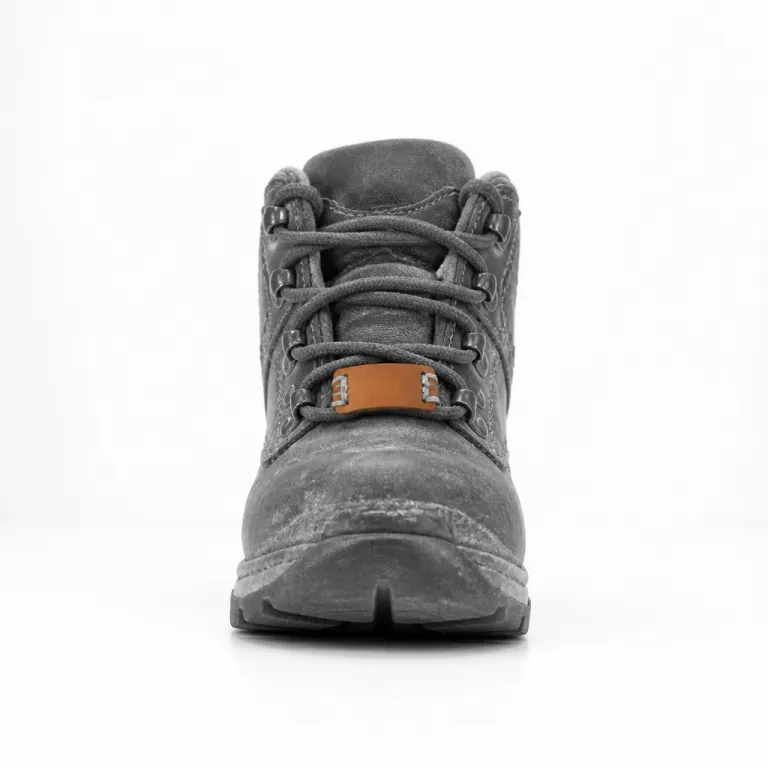
From a practical perspective, pack light, breathable clothing, bring sturdy walking shoes and use insect repellent ; these three details will shape your comfort more than any other gear. The terrain in parks such as Ruaha, Nyerere and the Serengeti can be uneven, with loose stones, tall grass and occasional river crossings, so expect your walking safari to feel like a moderate hike rather than a casual stroll. Distances are usually tailored to the group, but most walking safaris cover between 6 and 12 km per day, with frequent stops to examine tracks, plants and wildlife sign, making the physical activity manageable for anyone with reasonable fitness.
Safety protocols are non negotiable on any walking safari Tanzania itinerary, and reputable operators are transparent about them. Before each walk, your guide and armed ranger will brief you on how to move in single file, what to do if you encounter big game at close range and how to keep noise to a minimum while still communicating clearly. As one expert summary puts it, “What is a walking safari? A guided tour exploring wildlife on foot. Are walking safaris safe? Yes, when led by experienced guides. What should I pack for a walking safari? Light clothing, sturdy shoes, insect repellent.”
How walking reshapes your sense of luxury, wellness and place
Luxury on a walking safari in Tanzania is less about marble bathrooms and more about time, silence and proximity to wildlife. When you walk rather than drive, you notice the small details that define each park, from the scent of crushed wild sage underfoot to the way giraffes track your movement with slow, deliberate turns of the head. This shift in focus turns every walk into a kind of moving meditation, aligning closely with the wellness oriented safaris highlighted in our guide to wellness retreats and premium hotel booking in Tanzania.
For solo travelers, the intimacy of walking safaris tanzania wide can feel especially powerful, because you are not insulated by a vehicle or a large group. Guides in camps such as those run by Wayo Africa, Entara or Nomad Tanzania tend to be naturalists as much as big game specialists, weaving botany, birding and even geology into the narrative of each safari day. Over time, this depth of interpretation builds a stronger connection to Africa as a living ecosystem, not just a backdrop for photographs, and that connection is often what guests cite as the real success of their safari experience.
Walking also reframes iconic names such as Kilimanjaro, the Serengeti or the Ngorongoro Crater, because you start to think in terms of footpaths, animal trails and seasonal water rather than just scenic viewpoints. You might fly from South Africa into Tanzania, spend several safari days walking in Ruaha national or Nyerere national, then end with a quieter camp near Kilimanjaro where you can reflect on the journey. By the time you leave, the phrase safari tanzania will mean something very specific ; not just a checklist of parks, but a series of walks, fly camps and quiet evenings where the sounds of wildlife felt close enough to touch.
Planning your walking safari Tanzania stay: booking smart on mytanzaniastay.com
Booking a walking focused safari in Tanzania requires more precision than reserving a standard lodge stay. On mytanzaniastay.com, filter for camps in Ruaha National Park, Nyerere National Park and walking friendly corners of the Serengeti, then read each property’s safari details carefully to see how central walking safaris are to the program. Look for phrases such as dedicated walking guides, multi day walks, fly camping and specialist safari camp setups, because these signals show that walking is the core of the safari experience rather than a token activity.
When you compare camp offers, pay attention to group size limits, minimum age for walking and whether the camp operates its own fly camp or partners with a mobile operator. Smaller camps that cap walking groups at four to six guests tend to deliver a more tailored safari tanzania experience, especially for solo travelers who value quiet and flexibility. If you are combining walking with a Kilimanjaro climb or a stay in South Africa, consider the logistics of each internal fly leg, because routing smartly between parks and countries can save both time and fatigue.
Finally, ask direct questions before you book, because serious walking operators welcome informed scrutiny. Request sample safari days, ask how often walks encounter big game on foot and check whether your guide holds advanced walking qualifications specific to Africa, not just general guiding badges. With this level of due diligence, your walking safaris in Tanzania will feel less like a packaged tour and more like a carefully curated expedition, built around the simple act of putting one foot in front of the other.
FAQ
What is a walking safari in Tanzania and how does it differ from game drives ?
A walking safari in Tanzania is a guided exploration of wildlife on foot, usually in a national park such as Ruaha, Nyerere or the Serengeti. Unlike vehicle based game drives, walking safaris focus on tracks, plants, birds and subtle wildlife behavior rather than covering long distances in search of big game. The pace is slower, the distances are moderate and the experience feels more like a natural history walk than a traditional sightseeing tour.
Are walking safaris in Tanzania safe for solo travelers ?
Walking safaris in Tanzania are considered safe when operated by reputable camps that use experienced guides and armed rangers, as required in national parks. Solo travelers typically join small groups of two to six guests, which allows guides to manage safety while still offering a personalized safari experience. Clear briefings, strict protocols around big game encounters and conservative decision making in the field all contribute to a strong safety record.
How fit do I need to be for a multi day walking safari ?
Most multi day walking safaris in Tanzania are designed for guests with moderate fitness who can comfortably walk 6 to 12 km per day on uneven ground. The pace is usually gentle, with frequent stops to examine wildlife sign, rest in the shade and take photographs. If you can manage a half day hike at home without difficulty, you are likely fit enough for a well planned walking safari.
What should I pack for a walking focused safari stay ?
For a walking safari, pack light, breathable clothing in neutral colors, sturdy walking shoes or boots, a wide brimmed hat and high quality insect repellent. A small daypack, refillable water bottle and compact binoculars will also enhance your comfort and wildlife viewing. Camps that specialize in walking safaris usually provide detailed packing lists and supply essentials such as drinking water, snacks and basic first aid on every walk.
Which parks in Tanzania are best for walking safaris ?
Ruaha National Park and Nyerere National Park are widely regarded as the best parks in Tanzania for extended walking safaris, thanks to their vast, lightly visited landscapes and flexible regulations. Parts of the Serengeti, Tarangire and the greater Manyara ecosystem also offer excellent walking, especially when arranged through specialist operators such as Nomad Tanzania, Wayo Africa or Kichaka Expeditions. The Ngorongoro Crater itself is more tightly regulated, so most walking there takes place on the crater rim or in adjacent conservation areas rather than on the crater floor.
References
Asilia Africa trend reports on safari travel preferences.
Official information from Tanzania National Parks Authority (TANAPA).
Operator materials from Nomad Tanzania, Wayo Africa, African Environments, Entara Camps & Lodges and Kichaka Expeditions.