Staying in Moshi Urban Tanzania: Is It the Right Base for You?
Note: Hotel examples and details below are based on publicly available information at the time of writing. Always confirm current rates, facilities, and contact details directly with each property before booking.
Staying in Moshi urban Tanzania: is it the right base for you?
Street life in Moshi starts early. By 7 a.m., the air along Karume Road already carries the smell of chapati and strong coffee, with the outline of Mount Kilimanjaro hovering faintly above the town. This is the atmosphere you step into when you choose a hotel in Moshi urban Tanzania rather than a remote lodge near the park gates.
The town suits travelers who want more than a quick overnight before or after a climb. If you plan a longer stay, Moshi urban areas offer a mix of hotels and lodge-style properties where you can actually unpack, explore local cafés, and still reach Kilimanjaro National Park in under an hour by road. It feels lived-in, not staged, which is precisely the appeal for many repeat visitors to Tanzania.
For a pure summit-focused trip, a simple hotel room near your trekking outfitter may be enough. For a more rounded journey that combines the mountain, day trips to nearby coffee farms, and time in town, choosing one of the better-equipped hotels in Moshi gives you more flexibility. The key is to be clear about your priorities before you start checking dates and availability.
Urban Moshi versus park-side lodges: how to choose your base
Traffic circles around the clock tower on Mawenzi Road tell you one thing immediately; Moshi is a working town, not a resort. Staying in the urban core places you close to restaurants, small bars, and local markets, while a lodge closer to the Kilimanjaro National Park gate trades that bustle for silence and forest air. Neither is objectively the best; they simply serve different kinds of trips.
Urban Moshi hotels work well if you value choice. You can walk to a restaurant for dinner, try different breakfast spots, or arrange a day trip to a nearby coffee estate without committing to full-board lodge routines. In contrast, a lodge Kilimanjaro side often feels more contained, with most meals taken on site and fewer spontaneous options once the sun goes down.
For climbers arriving late at night or leaving at dawn, a hotel located in Moshi with a reliable front desk and 24-hour front access can be more practical than a more remote property. Families or travelers combining Kilimanjaro with safaris in other parts of Tanzania may prefer to spend at least one night in town to reset, repack, and enjoy the amenities of a proper urban stay before heading on to another national park.
What to expect from hotels in Moshi: rooms, amenities and atmosphere
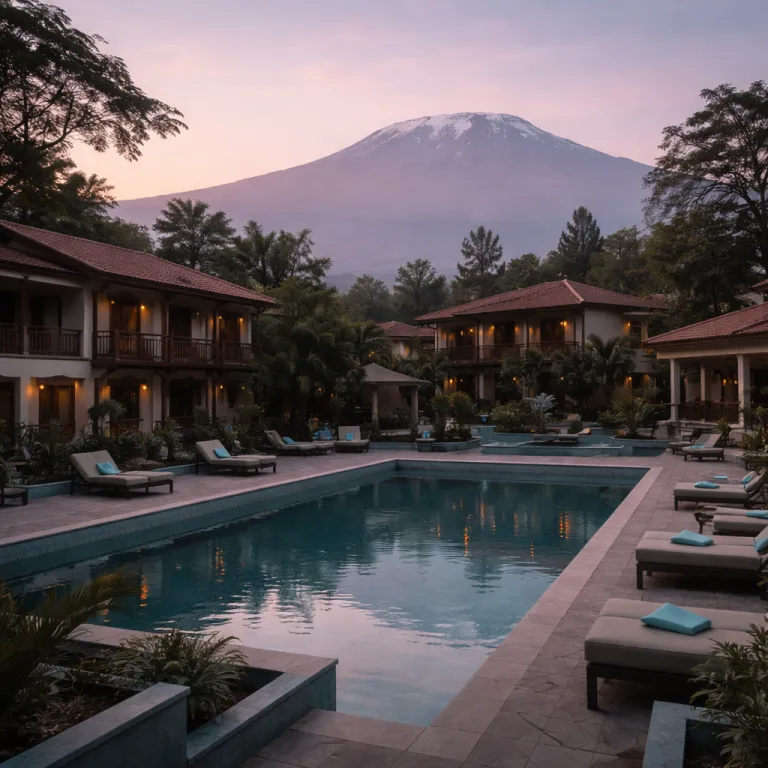
Rooms in Moshi urban properties tend to be straightforward, with a few welcome surprises at the upper end. Expect a clear distinction between basic hotel room categories and more generous suites or lodge-style bungalows, often set in small gardens with views towards Moshi Kilimanjaro slopes on clear days. The best hotels use this setting well, framing the mountain through windows or from terraces rather than hiding it behind walls.
Most urban hotels Moshi offer a mix of twin and double rooms, sometimes with interconnecting options for families. Features to check carefully include air conditioning, mosquito protection, and whether room service is available during your likely arrival and departure times. If you plan to return dusty from day hikes or cultural visits, ask about laundry turnaround; it can make a short stay far more comfortable.
On the amenities side, look for properties that combine a calm pool area or shaded garden with practical services such as a staffed front desk throughout the day and night, secure or free parking for those arriving with a driver, and flexible breakfast hours for early starts. Urban popular choices often add small but thoughtful touches – a place to store trekking bags, a quiet corner to reorganize gear, or a simple late-night snack menu – that matter more than decorative flourishes.
- Budget examples – Rafiki Backpackers & Guesthouse (simple rooms, shared kitchen, around 45–60 minutes by road to Marangu Gate; typically in the budget range for private rooms and dorms), We Travel Hostel (dorms and privates, basic breakfast, easy access to central Moshi; usually among the cheaper options for short stays).
- Mid-range city hotels – Parkview Inn Moshi (pool, Kilimanjaro views on clear mornings, roughly 40–50 minutes to Machame Gate; mid-range nightly rates), Kilimanjaro Wonders Hotel (modern rooms, rooftop bar, convenient for town restaurants; generally positioned in the upper mid-range bracket).
- Lodge-style stays – Chanya Lodge (garden setting, pool, popular with trekking groups; commonly offers a mix of standard and superior rooms), Salinero Kilimanjaro Hotel (quiet compound, on-site restaurant, typical transfer time to park gates under one hour; often priced in the comfortable mid-range).
- Premium options – Altezza Lodge (comfortable rooms, strong focus on climbers, gear storage; usually higher mid-range to premium pricing), Ameg Lodge Kilimanjaro (spacious grounds, pool, tennis court, good for pre- and post-trek recovery; often considered one of the more upmarket Moshi urban hotels).
Location in Moshi: neighbourhoods, views and access
Distances in Moshi are short, but location still shapes your stay. A hotel Moshi address near the main arteries, such as Karume Road or the routes leading towards the Kilimanjaro National Park entrance, makes transfers smoother, especially if you are coordinating with a safari driver or trekking équipe. Being slightly uphill on the town’s northern side can also improve your chances of a clear morning view of Mount Kilimanjaro.
Staying closer to the busier centre places you within walking distance of shops and simple restaurants, which suits travelers who like to explore on foot and sample local food rather than dine only at their hotel restaurant. The trade-off is more street noise, particularly on weekends, and less of the garden-lodge feel some visitors associate with Tanzania. Properties a little outside the densest streets often offer a quieter stay, with more space between rooms and a more relaxed pace.
If you are planning day trips to another national park after your time in Moshi, consider how easy it is to reach the main outbound roads from your chosen hotel. Free parking on site is useful if you have a private vehicle, while those relying on transfers should confirm pick-up points and timing in advance. In an urban Tanzania context, a few minutes saved at each transfer quickly add up over a multi-stop itinerary.
Planning your stay: dates, availability and practical details
Climbers and safari travelers converge on Moshi around the main dry seasons, which means availability for the best hotels tightens quickly. When you fix your Kilimanjaro dates, secure your hotel stay at the same time, especially if you want a specific room type or a property with particular amenities such as a pool or extensive gardens. Leaving it to the last minute often means compromising on location or features.
For short overnight stops, a simple, well-run hotel with a 24-hour front desk, reliable transfers, and early or packed breakfast can be more valuable than a more elaborate lodge. For longer stays, look for properties that offer a sense of place – perhaps a view towards mount Kilimanjaro, a small park-like courtyard, or a restaurant that serves both international and Tanzanian dishes. These details turn a functional stop into a memorable pause in your journey through Tanzania.
Travelers watching their budget will find a wide range of cheap hotels in Moshi urban areas, but quality varies. Rather than chasing the lowest prices, focus on cleanliness, safety, and the basics that matter to you; quiet rooms, consistent hot water, or flexible meal times. At the upper end, expect more generous room sizes, better soundproofing, and a smoother overall experience, which can be worth the difference after a demanding trek.
Who Moshi urban hotels suit best – and when to look elsewhere
Urban Moshi popular stays are ideal for independent travelers, small groups, and climbers who appreciate a bit of city life around their adventure. If you enjoy stepping out of your hotel to find a local café, watching daily routines unfold, and having several restaurant options within a short drive, the town setting will suit you. It also works well for those combining Kilimanjaro with business in Tanzania, thanks to easier access to services and transport.
Travelers seeking deep immersion in nature, or those who prefer to feel entirely removed from urban rhythms, may be happier in a more secluded lodge closer to the park boundaries or in another region altogether. A pure safari-focused trip that moves quickly between national parks might justify skipping Moshi overnight and connecting directly between destinations. In that case, a lodge Kilimanjaro side or a property near your next park gate could be more efficient.
For many visitors, the most balanced approach is to split nights; one or two in Moshi urban Tanzania for gear checks, last-minute shopping, and a proper restaurant dinner, then additional nights in more remote settings before or after. Thinking of Moshi as a hub rather than a single, all-or-nothing choice helps you design an itinerary that respects both your energy levels and your curiosity.
Food, breakfast and daily rhythm in Moshi hotels
Breakfast in Moshi hotels tends to follow the mountain’s schedule, not a leisurely resort timetable. Early starts are the norm, with coffee, fruit, and hot dishes available before dawn for those heading towards Kilimanjaro National Park or catching transfers to other regions. When comparing properties, check whether breakfast times align with your planned departures, especially if you value a proper meal before a long drive or hike.
Many urban hotels include an on-site restaurant, which is convenient after a long travel day when you may not want to navigate town in the dark. Menus usually blend international comfort dishes with Tanzanian staples, and some properties offer simple room service for late arrivals. If food is a priority, choose a hotel where the restaurant is more than an afterthought, with a pleasant terrace or garden area rather than a purely functional dining room.
Outside your hotel, Moshi offers a modest but growing selection of places to eat, from casual grills to cafés serving good coffee and light lunches. Staying in town makes it easier to sample these options, while a more isolated lodge will naturally keep you dining on site. Neither approach is wrong; it simply depends on whether you see meals as part of your exploration of Moshi or as a quiet interlude between days on the mountain and in the parks.
Is Moshi a good place to stay before climbing Kilimanjaro?
Yes, Moshi is an excellent base before and after climbing Kilimanjaro, especially if you want access to urban amenities, restaurants, and a choice of hotels while still being within easy driving distance of the park gates. The town allows time for gear checks, rest, and last-minute shopping in a more relaxed setting than an isolated lodge.
How many days should I stay in Moshi?
Most travelers stay one night before and one night after a Kilimanjaro climb, but two or three nights in total allow you to recover properly, explore Moshi a little, and organize luggage between the mountain and other national parks in Tanzania. If you are not climbing, a two-night stay works well as a gentle introduction to the region.
Are there luxury or premium hotels in Moshi urban areas?
Moshi offers a small but solid selection of premium hotels and lodge-style properties with larger rooms, gardens, pools, and more attentive service than basic town hotels. These are not grand city resorts, but they provide a comfortable, well-managed base with amenities that suit discerning travelers before or after demanding journeys.
Is Moshi better than Arusha as a base for Kilimanjaro?
Moshi is closer to Kilimanjaro’s main trailheads and feels more focused on the mountain, making it the better base if your priority is the climb itself. Arusha offers a wider range of hotels and is more convenient for combining multiple national parks, so it suits travelers whose main focus is safari rather than the summit.
Do I need a car if I stay in Moshi?
You do not necessarily need a car to stay in Moshi, as most hotels can arrange transfers to Kilimanjaro National Park and to regional transport hubs. A private vehicle or driver becomes useful if you plan independent day trips or are combining Moshi with several other destinations in Tanzania on a tight schedule.