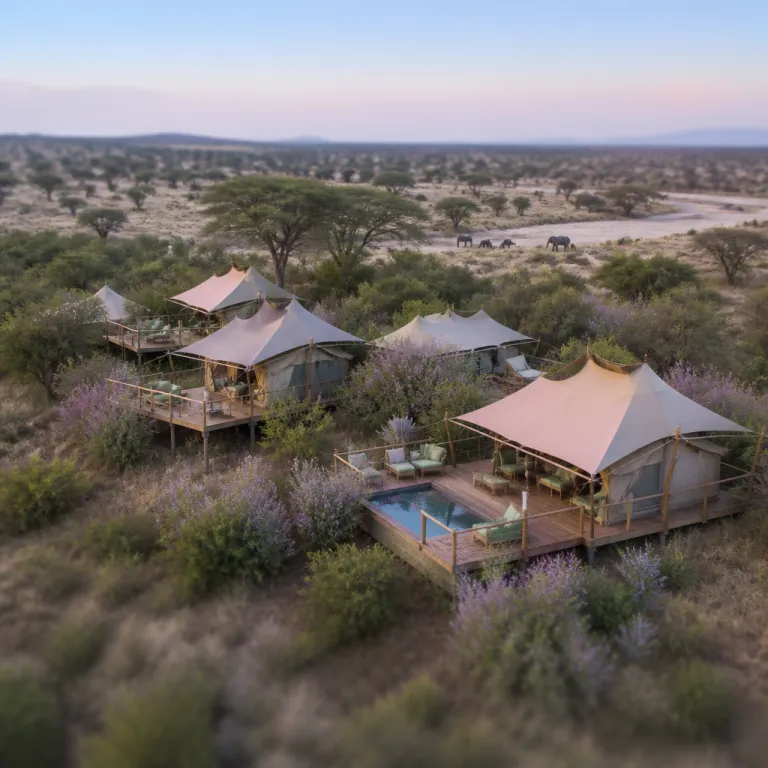
Why Oliver’s Camp in Tanzania suits discerning safari travellers
Oliver’s Camp in Tanzania sits deep inside Tarangire National Park, far from the busier northern safari circuit. This location in a quiet concession area gives guests rare access to uncrowded game viewing and a strong sense of wild Africa. For travellers comparing luxury options, this national park setting offers a different kind of Tanzania safari experience than the more famous Serengeti plains.
The camp was established in the early nineties and now operates with just 15 tented suites, which keeps the atmosphere intimate and personal. This scale allows the team to tailor each Tanzania safari, from private game drives to guided walking safaris, so your trip feels curated rather than packaged. Managed in partnership with a well-regarded East African safari operator, the camp combines traditional canvas style with modern comforts that match expectations for a premium Tarangire National Park stay.
Guests often choose this Tarangire location because Tarangire National Park is renowned for its dense wildlife and iconic baobab trees. During the dry season, animals concentrate along the Tarangire River, turning each game drive into a moving wildlife viewing spectacle. If you are planning a longer trip through Tanzania and wider Africa, Oliver’s Camp in Tarangire can pair elegantly with a few nights in the Serengeti for a strong contrast in landscapes and safari styles.
Inside the camp: suites, service and what to expect
The heart of Oliver’s Camp Tanzania is its spacious tented suites, which are raised on wooden decks and oriented toward the surrounding wildlife. Canvas walls and mesh windows keep you close to the sounds of the park at night, while proper beds, fine linens and en suite bathrooms maintain a premium level of comfort. This balance between immersion and ease defines the overall experience and sets Oliver’s Camp apart from many larger safari lodges in Africa.
With only 15 tents in total, service feels attentive without being intrusive, and the team quickly learns your preferred game drive schedule and dining habits. Shared lounge and dining areas overlook a classic Tarangire landscape, where elephants and other wildlife often wander past camp during the day. Evenings usually begin around the fire, as guides review the day’s sightings, share stories from years in the bush and help you plan the best time for the next walking safari or night drive.
Meal plans at this camp in Tarangire are typically full board, and many luxury travellers compare options such as all inclusive or bed and bush before confirming. If you are weighing different lodge meal structures across Tanzania, it is worth reading a detailed guide to Tanzanian lodge meal plans before you book. Matching the right plan to your style of game drives and downtime can significantly enhance both value and overall satisfaction during your stay in Tarangire National Park properties.
Tarangire’s wildlife seasons and how they shape your stay
Tarangire National Park is a strongly seasonal ecosystem, and understanding its rhythms helps you choose the right time for Oliver’s Camp Tanzania. During the dry season, roughly from mid-year to early the following year, the Tarangire River becomes the only reliable water source in the area. This draws huge concentrations of wildlife and makes viewing from both vehicle-based safaris and walking excursions exceptionally rewarding.
In the greener season, the park feels softer and more atmospheric, with lush grasslands and dramatic skies over the baobab trees. Wildlife disperses more widely across the national park, so guides at Oliver’s Camp adjust routes and timing to maintain high quality sightings. This is also a beautiful time for photography, as the colours of Africa are richer and the light at night can be spectacular after passing storms.
Many travellers pair a stay at Oliver’s Camp in Tarangire with time in the Serengeti to follow the Great Migration or enjoy more open plains. For those interested in a moving tented camp concept in the Serengeti area, it is worth reading about an option such as the Ubuntu Migration Camp moving Serengeti sanctuary. Combining Tarangire National Park with the Serengeti on one trip gives you two very different Tanzania safari landscapes, each with its own peak season and signature wildlife spectacles.
Activities at Oliver’s Camp: from game drives to walking safaris
Oliver’s Camp Tanzania is widely respected for its range of activities, especially its emphasis on walking safaris in a big game area. Traditional morning and afternoon game drives in open 4x4 vehicles remain the core of most safaris, delivering close encounters with elephants, lions and large herds around the Tarangire River. However, the camp’s guided walking experiences add a deeper, slower layer to your understanding of this national park.
Guests can join a guided walking safari to track wildlife on foot, read fresh spoor and learn about smaller details that are often missed from a vehicle. These walking safaris are led by highly qualified guides who understand both animal behaviour and guest safety, and they usually take place in the cooler time of day. For those seeking an even more immersive experience, the camp offers fly camping, where you sleep out in a lightweight camp under the stars for one night in a carefully chosen area.
Night drives are another highlight at Oliver’s Camp, revealing a different side of Africa when predators and nocturnal species become active. While hot air ballooning is not a standard activity directly from this Tarangire base, many travellers add a balloon experience over the Serengeti during the same trip. By combining game drives, walking, guided walking safaris and occasional fly camping, Oliver’s Camp builds a layered Tanzania safari itinerary that feels both varied and deeply connected to the Tarangire National Park environment.
Planning your Tarangire stay: logistics, booking and conservation
Reaching Oliver’s Camp Tanzania usually involves a short scheduled flight from Arusha to an airstrip inside Tarangire National Park, followed by a game drive transfer of around 30 to 60 minutes. This swift access means your safari begins almost immediately, with wildlife viewing often starting before you even arrive at the camp. Because the camp operates with only 15 tents and a strong focus on guided walking and game drives, booking well in advance is essential, especially for peak dry season dates.
Most travellers include Oliver’s Camp as part of a longer Tanzania safari circuit that might also feature the Serengeti, Ngorongoro Crater and perhaps the coast. When planning your trip, discuss with your specialist how many nights to allocate to each area, as Tarangire National Park rewards at least three nights for unhurried game viewing. It is also wise to pack light clothing in neutral colours, a warm layer for night drives and good binoculars to make the most of every safari outing.
Staying at Oliver’s Camp contributes directly to conservation and community initiatives linked to this national park and the wider Africa region. Park fees and a specific conservation levy on your hotel bill help fund anti-poaching patrols, habitat protection and local projects in protected Tanzania destinations. To understand how these charges work across the country, read a detailed explanation of the conservation levy on Tanzanian hotel bills before finalising your Tanzania safari budget.
Who Oliver’s Camp suits best and how it compares
Oliver’s Camp Tanzania is ideal for travellers who value authentic bush atmosphere, strong guiding and flexible activities over urban style luxury. The tented camp design keeps you close to the sounds and scents of the national park, which appeals to guests who want a more traditional Africa safari feel. Those who prefer large pools, spas and extensive resort facilities may be better served by bigger properties closer to Arusha or the coast.
Compared with many Serengeti lodges, Oliver’s Camp offers more opportunities for guided walking safaris and fly camping, which are tightly regulated in other parks. Tarangire’s baobab trees, dense elephant populations and the life-giving Tarangire River create a different visual drama from the endless plains of the Serengeti area. For serious photographers and repeat visitors to Tanzania, this contrast makes Tarangire National Park an essential part of a well-rounded Tanzania safari itinerary.
The camp’s long-standing presence in Tarangire also means that operational standards, safety protocols and conservation commitments have been refined over many years. Guests benefit from experienced guides who can interpret both large-scale wildlife movements and smaller ecological details during game drives and walking activities. For many, the combination of intimate scale, excellent wildlife viewing and a strong sense of place makes Oliver’s Camp one of the great classic camps in northern Tanzania.
Key figures and practical statistics for Oliver’s Camp in Tarangire
- Oliver’s Camp operates with 15 tents, which keeps guest numbers low and allows for highly personalised safaris and guided walking experiences, including the option of private vehicles on request.
- The camp has been welcoming guests since the early 1990s, giving it several decades of operational experience in Tarangire National Park and a long track record of wildlife viewing expertise in this ecosystem.
- Oliver’s Camp is open for guests from June to March, which covers both the dry season concentration along the Tarangire River and the greener season when the park’s baobab trees stand out against lush vegetation.
- Core activities at the camp include game drives, walking safaris and night drives, supported by open 4x4 vehicles, guided tours and optional fly camping, as outlined in the camp’s own activity information.
Frequently asked questions about Oliver’s Camp Tanzania
What activities are offered at Oliver’s Camp in Tarangire ?
According to the camp’s own overview, game drives, walking safaris and night drives are the core activities available to guests. These are complemented by optional fly camping and extended guided walking experiences that deepen your connection with the national park. Together, they create a varied Tanzania safari programme suitable for both first-time and experienced travellers.
How many tents does Oliver’s Camp have and what are they like ?
Oliver’s Camp has 15 tented suites, each designed as a comfortable tented unit with en suite facilities and views over the surrounding wildlife area. The tents are spaced to provide privacy while keeping you close to the sounds of Africa at night. Interiors feature proper beds, quality linens and thoughtful details that align with premium expectations in Tarangire National Park properties.
When is the best time to visit Tarangire for wildlife viewing ?
The dry season is generally considered the best time for concentrated wildlife viewing along the Tarangire River, as animals gather around remaining water sources. During this period, game drives from Oliver’s Camp often encounter large elephant herds, predators and mixed plains game in a relatively compact area. The greener season offers more dramatic skies and lush scenery, which many photographers and repeat visitors also appreciate.
Is Oliver’s Camp suitable for first time safari travellers ?
Oliver’s Camp Tanzania works very well for first-time visitors who want an authentic yet comfortable introduction to safari in Africa. The combination of guided walking safaris, classic game drives and attentive hosting helps guests understand both wildlife behaviour and broader conservation issues. However, those who are nervous about canvas accommodation at night may prefer to start their trip in a more conventional lodge before moving to this tented camp.
How far is Oliver’s Camp from other major parks like the Serengeti ?
Oliver’s Camp is located in Tarangire National Park in northern Tanzania, while the Serengeti lies further northwest and is usually reached by a separate light aircraft flight. Many itineraries link Tarangire National Park, the Ngorongoro Crater and the Serengeti in a logical circuit over one trip. This routing allows you to enjoy the baobab trees and river systems of Tarangire, the volcanic landscapes of Ngorongoro and the open plains of the Serengeti area in a single Tanzania safari.