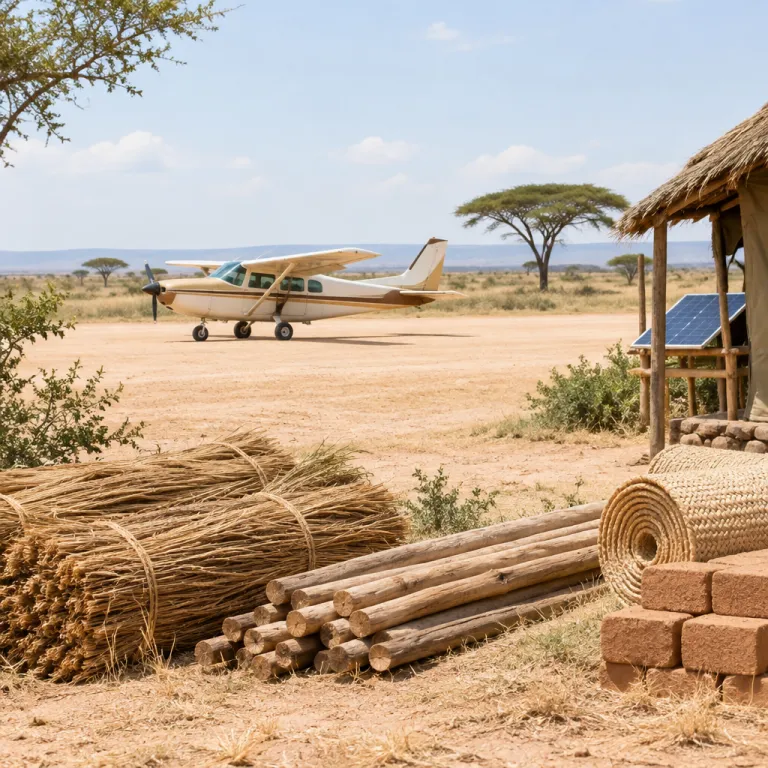
The tension between remoteness, luxury and the carbon cost of arrival
A sustainable safari in Tanzania begins long before your first wildlife sighting. The reality is that reaching remote camps in East Africa usually means intercontinental travel to Africa and then short bush flights across Tanzania for several days of immersion in nature. That combination creates a significant carbon footprint, even when your chosen property feels impeccably eco friendly once you arrive.
Luxury travellers are often drawn to the most secluded safari experiences, far from any national park gate and surrounded by wildlife rather than other vehicles. Yet every additional hop between safari Tanzania airstrips, or onward detours to Victoria Falls or Cape Town in South Africa, adds aviation emissions that shape the true environmental impact of your trip. The tension is clear ; low density, sustainable safaris protect habitats and endangered species, but the carbon cost of accessing them is high.
For guests using a curated platform such as mytanzaniastay.com, the question is not whether to travel, but how to make each safari experience in Tanzania as responsible as possible. That means looking beyond the marketing language of sustainable tourism and asking how camps measure and manage carbon across logistics, supply chains and conservation projects. It also means understanding how your choices about routing, length of stay and number of safaris influence both community benefits and climate impact.
What credible Tanzanian camps actually do about carbon on site
The most serious luxury safari operators in Tanzania treat carbon as a design constraint, not a public relations slogan. At camp level, that starts with solar power systems sized for year round operations, backed by battery storage that keeps generator use and local air pollution to a minimum. Many sustainable safari properties now use efficient refrigeration, low energy lighting and careful water heating to reduce their environmental impact without compromising comfort.
Logistics are another quiet frontier of sustainable safaris in East Africa, where every kilogram flown into a national park affects fuel burn and carbon output. Camps that prioritise local communities by sourcing produce, building materials and staff from nearby villages cut freight emissions while strengthening the community economy. When you see fresh vegetables grown by local communities near the Ngorongoro Crater or Serengeti, you are also seeing a reduction in the carbon footprint of your plate.
Some of the most credible conservation projects in Tanzania now integrate verified carbon projects into their business models. These range from reforestation and rangeland restoration to efficient cookstove programmes that reduce pressure on wildlife habitats and benefit communities. To understand how your nightly rate supports such initiatives, read detailed breakdowns such as the guide to how conservation levies fund the parks you visit, and ask camps whether their carbon accounting is independently audited.
Offsets, insetting and the difference between real projects and theatre
Once you factor in long haul flights to Africa and internal safari flights across Tanzania, no amount of solar power can fully neutralise your carbon footprint. That is why many luxury safari operators now talk about offsetting or insetting, where they fund carbon projects within the landscapes where they operate. The language can be opaque, so it helps to understand what separates robust, additional projects from symbolic gestures.
High quality carbon projects in Tanzania and wider East Africa usually meet strict standards, demonstrate measurable impact and benefit both wildlife conservation and local communities. Examples include habitat restoration in wildlife corridors used during the great migration, or conservation projects that protect forests around the Ngorongoro Crater while creating jobs for nearby communities. By contrast, offset theatre often involves vague tree planting promises with no long term monitoring, limited community involvement and little transparency about carbon accounting.
As a traveller, you can look for operators whose sustainable safari programmes are embedded in broader conservation and tourism strategies, not bolted on as marketing. Articles such as the overview of Tanzanian stays where your bill quietly rebuilds the wild highlight properties where conservation levies, community partnerships and carbon initiatives align. When those elements work together, your safari experiences contribute to both climate resilience and the protection of endangered species, rather than simply offsetting guilt.
Choices you control: routing, pace and where you actually stay
Even on a luxury safari, travellers have more control over carbon than they might think. The first lever is routing ; flying as directly as possible to Tanzania rather than stitching together multiple city breaks in South Africa, Cape Town or beyond reduces aviation emissions. Once in country, choosing fewer internal flights and spending more days in each national park concentrates your carbon cost into deeper, more meaningful experiences.
Slow travel on safari also tends to be more sustainable and more rewarding. Staying four or five days in one area of safari Tanzania allows you to understand wildlife rhythms, community dynamics and conservation challenges in a way that two night hops never can. It also means fewer take offs and landings, which are the most carbon intensive phases of flight, and less duplication of transfers, laundry and provisioning across multiple camps.
Where you stay matters as much as how you move. Some of the most responsible luxury safari properties in Tanzania now publish their carbon data, outline their sustainable safaris policies and explain how they work with local communities on long term projects. If you are planning a combined bush and beach itinerary, resources such as the curated honeymoon stays that justify the airfare can help you design a route that balances romance, wildlife and carbon awareness.
When conservation value outweighs the flight: travelling with eyes open
The uncomfortable truth is that no safari experience in Tanzania is carbon free, even when every tent is solar powered and every transfer is shared. Yet the same tourism that generates carbon can also fund conservation projects that keep vast landscapes intact for wildlife and communities. In regions where alternative land uses might mean intensive agriculture or unplanned development, the impact of well managed tourism can be decisively positive.
National parks and private conservancies across East Africa rely on conservation levies, park fees and community partnerships funded by tourism to protect wildlife and endangered species. When your stay supports local communities through employment, education and health projects, the long term conservation impact can outweigh the one off carbon cost of your flights. The key is to choose sustainable safari operators whose financial models clearly link guest nights to habitat protection and community benefits.
Travelling this way is less about perfection and more about informed responsibility. You acknowledge the carbon footprint of reaching Tanzania, then deliberately support sustainable safaris that minimise environmental impact and maximise conservation and community gains. Over multiple safari experiences and return visits, that pattern of responsible travel can help ensure that the great migration still thunders across the plains and that local communities see wildlife as an asset, not a threat.
FAQ
How can I reduce the carbon footprint of my safari in Tanzania ?
You can reduce the carbon footprint of your safari by flying as directly as possible to Tanzania, limiting internal flights and staying longer in each location. Choosing camps that use solar power, source from local communities and support verified conservation projects further lowers your environmental impact. Offsetting remaining emissions through credible carbon programmes linked to Tanzanian landscapes adds another layer of responsibility.
Do luxury safari camps in Tanzania really operate sustainably ?
Many high end camps in Tanzania now integrate sustainable practices such as solar energy, water conservation and waste reduction into their operations. The most credible properties publish details of their conservation projects and community partnerships, showing how tourism revenue supports wildlife protection. When evaluating options, look for transparent reporting rather than generic sustainability claims.
Is it better for the environment to visit fewer parks for more days ?
Yes, spending more days in fewer parks usually reduces your overall carbon footprint because it cuts down on internal flights and transfers. A slower itinerary also allows you to engage more deeply with local communities and understand conservation challenges in each area. This approach often leads to richer wildlife encounters and a more relaxed safari experience.
How do conservation levies on my hotel bill help wildlife ?
Conservation levies are charges added to your nightly rate that go directly to funding park management, anti poaching units and habitat restoration. In Tanzania, these levies help maintain national parks, pay rangers and support community projects that make wildlife conservation economically viable. By choosing properties with clear levy structures, you ensure that part of your spend directly protects the ecosystems you visit.
Can a safari ever be considered climate responsible given the flights involved ?
A safari will always carry a carbon cost because of long haul flights and bush transfers, so it cannot be entirely climate neutral. However, it can be climate responsible when travellers minimise unnecessary flights, support camps with strong sustainability credentials and fund high quality carbon projects. In landscapes where tourism is the main driver of conservation, this balance can deliver net positive outcomes for wildlife and communities.