Ruaha national park luxury redefined by Banyan Tree’s Ubuyu
Ruaha National Park in southern Tanzania is about to gain a new benchmark for high-end safaris as Banyan Group prepares to open Ubuyu under its Banyan Tree Escape brand. In a move that shifts attention from the classic Kenya–Tanzania safari triangle, the group has chosen this vast National Park Tanzania wilderness rather than the Serengeti or a coastal game reserve, signalling a strategic bet on the southern circuit. For travelers planning a luxury safari in East Africa, the decision raises a clear question about whether to route their next visit through this game-rich corner of the country.
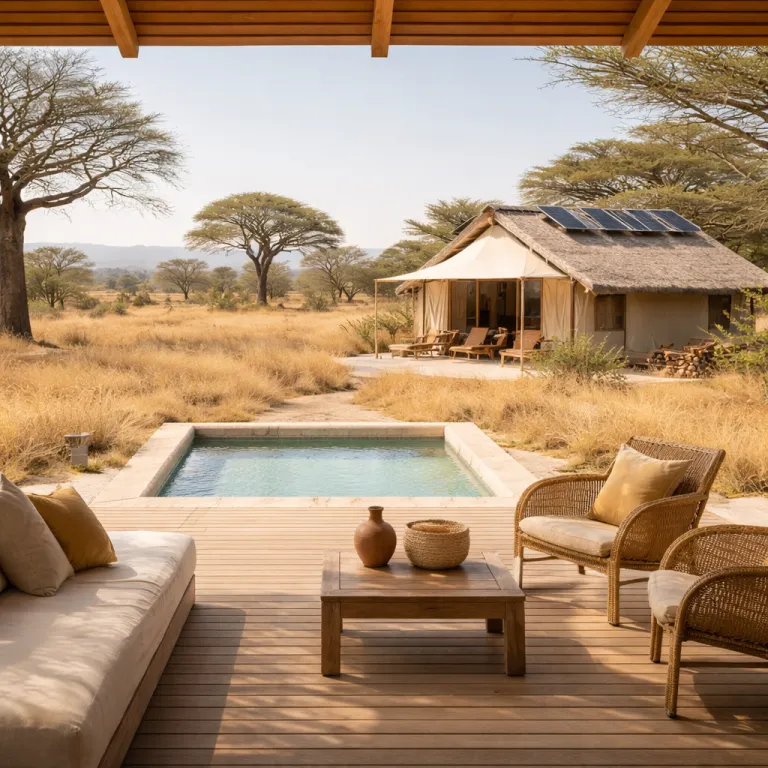
According to Banyan Group’s 2024 development announcements, Ubuyu is slated to open in late 2025 with just six villas built from timber, thatch and clay, with the entire camp intended to be powered by solar energy and designed around regenerative principles that aim to give back more than they take from the surrounding park. Banyan Group describes the Escape concept as “immersive, place-sensitive and regenerative by design,” positioning Ubuyu as a flagship for low-impact safari hospitality. This aligns with Ruaha’s conservation priorities, where the national authorities and lodge operators already promote eco-friendly practices, from low-impact game drives to carefully guided walking safaris that limit disturbance to wildlife. For couples seeking privacy, the promise of only a handful of villas, generous suite bathrooms and attentive yet discreet service suggests a very different experience from larger safari camp properties elsewhere in Tanzania.
Ruaha itself is the quiet powerhouse of Tanzania’s safari scene, a national park of more than 20,000 square kilometres that holds one of Africa’s largest remaining lion populations and supports over 80 mammal species and around 570 bird species, according to the Tanzania National Parks Authority (TANAPA) and the Ruaha Carnivore Project. The park’s game viewing is intense yet uncrowded, with big cats, wild dog and large elephant herds often encountered on full-day game drives without another vehicle in sight. For travelers used to the traffic of the great migration in the Serengeti or the busier circuits around Nyerere National Park, the sense of wilderness here feels closer to a private concession than a mainstream destination.
Within this context, Ubuyu’s Ruaha National Park luxury positioning is less about marble and chandeliers and more about how a high-end camp can integrate into a fragile ecosystem. Banyan Tree Escapes is pitched as the group’s most experimental label, promising deep immersion in place, strong community partnerships and a lighter physical footprint than its resort siblings. For discerning guests, the test will be whether the camp’s regenerative claims translate into tangible conservation outcomes in the park and meaningful benefits for local communities, rather than remaining a marketing line attached to a beautiful set of villas.
For now, the outline is compelling for couples planning a romantic safari in Tanzania who value both comfort and conscience. A six-villa camp with sweeping views over a game-rich landscape, powered entirely by solar and built from indigenous materials, fits neatly into the new wave of Ruaha National Park luxury that prioritises space, silence and wildlife over spectacle. The question for travelers is not whether Ruaha is worth a visit, but whether Ubuyu becomes the anchor property that finally places this national park alongside the Serengeti and Ngorongoro in every serious safari conversation.
Why Ruaha, not the Serengeti, is the new southern circuit star
Ruaha’s appeal begins with its scale and solitude, which together create one of the most compelling Ruaha safari lodges propositions in East Africa. Covering more than 20,000 square kilometres, the park is larger than many countries and yet sees a fraction of the visitor numbers that flow through the Serengeti during the great migration. For travelers, that means game drives where lion sightings, encounters with big cats and even wild dog packs unfold without the convoy of vehicles that can dominate more famous reserves.
The ecology here is a meeting point of southern and eastern African habitats, with baobab-studded ridges, sand rivers and miombo woodland supporting a dense mix of wildlife. This diversity underpins exceptional game viewing, from large buffalo herds and elephant to leopard, cheetah and the high lion density that has made the park a focus for conservationists. When travelers ask about the best time to visit Ruaha National Park, guides typically point to the dry season when vegetation thins, water sources contract and predators concentrate along the river systems, creating intense safari days and dramatic nights.
Unlike some parks where the experience is dominated by vehicle-based tourism, Ruaha has quietly become a leader in walking safaris that bring guests closer to the wilderness on foot. Specialist guides and armed rangers lead small groups from camp at first light, tracking game along the riverbeds and reading the overnight stories written in the dust by big cats, antelope and smaller creatures. For couples, a private walking safari followed by a late breakfast back at camp can be the most memorable part of a trip, especially when paired with an afternoon of slow game drives and a night under the stars.
Access remains relatively straightforward for a remote national park, with scheduled flights from Dar es Salaam or Arusha connecting Ruaha to the broader Kenya–Tanzania safari network. Many travelers pair a stay here with time in Nyerere National Park or another game reserve on the southern Tanzania safari circuit, creating an itinerary that balances riverine safaris, open plains and coastal relaxation. Those looking to extend their journey to the coast can consider a barefoot luxury interlude on Pemba Island, with properties such as Fundu Lagoon offering a natural complement to a week of intense wildlife immersion in the park.
Health and logistics remain straightforward for experienced safari travelers, but they still require attention. Are there malaria risks in Ruaha? Yes, it is advisable to take prophylactics and use insect repellent, especially around dawn and dusk. For couples planning a first safari trip, working with a specialist operator who understands both Ruaha and the broader National Park Tanzania landscape will help align expectations around walking, night drives, private guiding and the overall rhythm of days in such a wild, game-rich environment.
How Ubuyu compares with Ruaha’s existing luxury lodges
Ruaha already offers a small but serious line-up of high-end camps, and Banyan Tree’s Ubuyu will join a cohort that includes Jabali Ridge, Ikuka Safari Camp, Asanja Ruaha and several other intimate properties. Jabali Ridge, for example, is known for its elevated position, eight suites and sweeping views over the park, with an infinity pool and generous suite bathrooms that set a strong Ruaha National Park luxury benchmark. Ikuka Safari Camp, perched on the Mwagusi escarpment, offers thatched suites and a more traditional safari camp atmosphere, while Asanja Ruaha delivers a design-led take on wilderness living with just eight guest suites.
What sets Ubuyu apart on paper is the combination of scale, sustainability and the Banyan Tree Escape philosophy, which leans into regenerative travel rather than conventional resort luxury. With only six villas, the camp will feel closer to a private home than a hotel, and its 100 percent solar operation and use of indigenous materials align with Ruaha’s broader conservation goals. For couples comparing options, the choice may come down to whether they prefer the established reputation and ridge-top drama of Jabali Ridge or the chance to be among the first guests at a new, design-forward camp that aims to redefine Ruaha National Park luxury for the southern circuit.
In practical terms, all these properties offer strong game viewing, guided walking safaris and access to prime wildlife areas within the national park, so the decision is less about sightings and more about style, ethos and how you like to spend your time between game drives. Travelers who value a contemporary aesthetic, deep privacy and the narrative of regenerative travel may find Ubuyu compelling enough to anchor an itinerary, especially when combined with a contrasting stay in the Serengeti at a refined tented property such as the one featured in our guide to an Into Wild Africa luxury tented safari camp in the Serengeti for refined travelers. Those who prefer a more classic safari camp feel, with established guiding teams and a long track record in the park, might lean toward Jabali Ridge, Ikuka or Asanja Ruaha for a first visit.
For many repeat visitors to Tanzania, the emerging strategy will be to treat Ruaha and its new Banyan Tree Escape as the focus of a second or third trip, once the northern circuit icons and the great migration have been experienced. A Kenya–Tanzania combination that starts with a migration-focused safari, then moves south to Ruaha and perhaps on to Nyerere National Park or another game reserve, creates a layered understanding of East Africa’s ecosystems and hospitality styles. For couples with the time and budget, stitching together a week at Ubuyu, a few nights at Jabali Ridge and a coastal finale on Pemba or Zanzibar could represent the most complete expression of Ruaha National Park luxury and southern circuit wilderness now available.
Ultimately, the arrival of Banyan Group in Ruaha signals that this national park has moved from insider secret to the next frontier for serious safari travelers. For guests, the opportunity lies in experiencing a game-rich, crowd-free wilderness at a moment when its hospitality scene is still small enough to feel personal, yet sophisticated enough to deliver world-class comfort. Whether Ubuyu becomes your first stop in Tanzania or the centrepiece of a return trip, it will almost certainly reshape how the southern circuit is perceived in the years ahead.
Practical planning notes for Ruaha luxury safaris
For travelers considering a Ruaha National Park luxury itinerary, timing and logistics are as important as lodge selection. What is the best time to visit Ruaha National Park? The dry season (June–October) offers optimal wildlife viewing. During these months, vegetation is sparse, animals congregate around remaining water sources and game drives become highly productive from early morning until late afternoon.
Access to the park is typically via scheduled light aircraft flights from Dar es Salaam or Arusha, connecting Ruaha with both the northern and southern safari circuits in Tanzania. How do I get to Ruaha National Park? Access is via domestic flights from Dar es Salaam or Arusha, usually landing at airstrips such as Msembe, where camp vehicles meet arriving guests. Once in the park, most luxury camps and lodges operate on a fully inclusive basis, bundling game drives, walking safaris, meals and often laundry into a single nightly rate that simplifies planning for couples.
On the ground, the rhythm of a Ruaha National Park luxury stay usually follows a familiar safari pattern, with early morning game drives or walking safaris, long lunches and siesta time, then afternoon activities that may extend into a night drive where regulations allow. Increased eco-tourism initiatives and the rising popularity of walking safaris have encouraged camps to invest in highly trained guiding teams and low-impact vehicles, which in turn enhances both safety and the depth of the wildlife experience. Pack light, neutral-coloured clothing, carry insect repellent and sun protection, and remember that temperatures can drop sharply at night, especially on open vehicles or ridge-top decks.
Health wise, Ruaha sits in a malaria zone, so prophylactics and sensible precautions remain essential, particularly for first-time visitors to East Africa. Are there malaria risks in Ruaha? Yes, it is advisable to take prophylactics and use insect repellent, and to consult a travel health professional before departure. Most luxury camps can accommodate dietary requirements with advance notice, and many now integrate community visits or conservation briefings into longer stays, giving guests a clearer sense of how their presence supports local livelihoods and the long-term protection of the park.
For couples weighing whether to prioritise Ruaha, the key question is how much they value solitude, intense wildlife encounters and a sense of true wilderness over the marquee name recognition of the Serengeti or Masai Mara. If your ideal safari camp offers sweeping views, a small number of villas or suites, excellent guiding and the option of both vehicle-based and walking safari experiences, then a Ruaha National Park luxury itinerary anchored by Ubuyu, Jabali Ridge or Ikuka will feel like a natural fit. As Banyan Group’s first safari property comes online, the southern circuit’s blend of privacy, conservation focus and quietly confident hospitality is set to become one of Tanzania’s most compelling stories for discerning travelers.