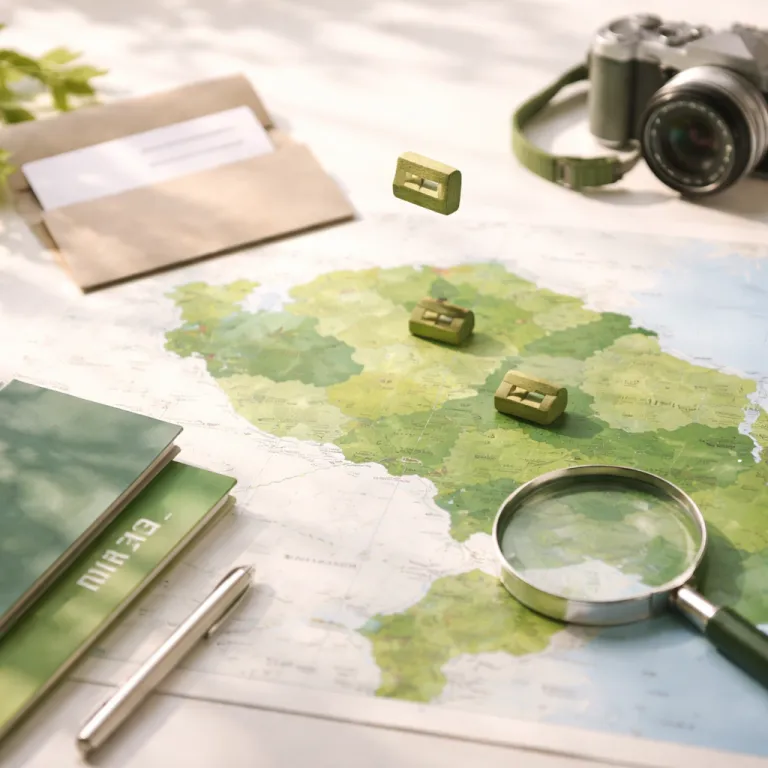
Where to stay in Tanzania for your first luxury journey
Choosing where to stay in Tanzania shapes every safari memory. For a first trip, think in regions rather than individual hotels, because each national park and coastal island offers a distinct rhythm, guest profile and price point. The question is not only which areas to include across Tanzania, but which combination of wild reserves and islands will feel right for your family.
Best for: first-time visitors who want iconic wildlife, easy logistics and a mix of safari and beach time.
The classic northern circuit links Serengeti National Park, Ngorongoro Crater, Lake Manyara and Tarangire National Park in an elegant loop. This is where a Tanzania safari feels cinematic, with game drives across open plains, hot air balloon flights over the Great Migration and tented camp stays that still work for children. Families who are visiting Tanzania for the first time usually find this circuit delivers the best balance of wildlife, logistics and comfort.
The southern circuit, anchored by Ruaha National Park and Nyerere National Park, trades crowds for solitude and a deeper wild atmosphere. Here, the park best suited to seasoned safari Tanzania guests is often Ruaha, where the game viewing is intense but the lodge density remains low. Coastal islands like Zanzibar, Pemba and Mafia then complete the map, turning a Tanzania safari into a two-centre holiday that moves from wild mountain landscapes to warm Indian Ocean lagoons.
Northern circuit: Serengeti, Ngorongoro and family friendly lodges
The northern circuit is where to stay Tanzania wide if you want the archetypal safari. Serengeti National Park, Ngorongoro Crater and Tarangire National Park sit within a compact area, which keeps flight times short and transfers manageable with children. This region also offers the best places for combining classic game drives with cultural visits and gentle walks along the crater rim.
Best for: families and first-time safari travellers who want reliable big-game viewing and smooth connections.
In Serengeti National Park, luxury tented camp options track the Great Migration across the plains. A well-placed lodge in the central or northern Serengeti national sector lets you follow the game as it moves, while private vehicles and guides tailor each experience to your family’s pace. For a deeper dive into the southern Serengeti, properties such as Mwiba Lodge, profiled in our in-depth Mwiba safari retreat review, offer a quieter take on migration season with access to walking safaris and night drives.
Ngorongoro Crater works best as a one or two night stop, because the game viewing is intense but the area can feel busy by late morning. Choose a lodge on the crater rim for sunrise descents, when the light is soft and the wild atmosphere feels almost prehistoric. Lake Manyara and Tarangire National Park then round out the northern circuit, with Tarangire national landscapes delivering elephant herds, baobab forests and some of the park best birding in Tanzania.
Southern circuit: Ruaha, Nyerere and the new frontier of seclusion
For travellers asking where to stay Tanzania side when privacy matters more than marquee names, the southern circuit is the quiet answer. Ruaha National Park and Nyerere National Park (the former Selous) cover a vast area, yet host only a fraction of the lodges found in the north. This is where a Tanzania safari feels raw, with wild river systems, rocky outcrops and a sense that the game has not yet learned to pose for cameras.
Best for: repeat visitors and wildlife enthusiasts who value seclusion, serious guiding and a slower pace.
Ruaha National Park has become the mountain-style stronghold of serious guiding and understated luxury. Here, a tented camp perched above a dry riverbed might see elephants wandering through at dusk, while a more permanent lodge offers pools and family suites without losing that remote camp atmosphere. The opening of new high-end properties, including Ubuyu by Banyan Group, signals that Ruaha national landscapes are now central to the conversation about the best places for a quieter safari Tanzania itinerary.
Nyerere National Park, accessed by light aircraft from Dar es Salaam, adds boating safaris to the mix of game drives and walking. Families who are visiting Tanzania for a second or third time often pair a few nights in this southern area with a week on Zanzibar, Pemba or Mafia. When you plan where to stay in Tanzania across these regions, remember that the southern season can differ slightly from the north, so always cross-check your preferred travel month with a specialist guide such as our overview of the best season for a luxurious Zanzibar escape.
Zanzibar retreats and the Swahili coast for families
Most first-time visitors ask where to stay Tanzania wise after safari, and the answer is usually Zanzibar. The island’s mix of white sand beaches, calm lagoons and Stone Town culture makes it ideal for families who want both rest and gentle exploration. High-end hotels cluster along the north and east coasts, while smaller properties near Stone Town suit shorter stays before or after a Tanzania safari.
Best for: families and couples who want an easy beach finale with culture, snorkelling and relaxed luxury.
On the north coast, refined properties such as those featured in our guide to elegant Matemwe Beach stays offer spacious villas, kids clubs and easy lagoon access. The area works well for multi-generational groups, because grandparents can relax by the pool while younger guests try snorkelling, dhow sailing or reef walks at low tide. Along the east coast, longer beaches and stronger tides create a wilder feel, with kite surfing and longer walks replacing constant swimming.
Families who are visiting Tanzania for diving or marine life might look beyond Zanzibar to Pemba or Mafia, where the game is underwater rather than on land. These islands feel more remote, so they pair best with a shorter safari Tanzania segment in the northern circuit or Ruaha National Park. Wherever you choose to stay along the coast, remember that the best season for the beach does not always match peak Great Migration months in Serengeti National Park, so your final itinerary should balance both.
Sample 7, 10 and 14 day maps for where to stay in Tanzania
Turning the question of where to stay Tanzania wide into a workable itinerary means thinking in arcs of seven, ten and fourteen nights. A classic seven night trip might include three nights in Serengeti National Park, two near Ngorongoro Crater and two on Zanzibar. This gives you a taste of the northern circuit without too many internal flights, while still allowing time for game drives, crater visits and beach rest.
Best for: travellers who want a clear starting template they can customise with a specialist consultant.
With ten nights, you can add Tarangire National Park or Lake Manyara to deepen the safari Tanzania experience. One elegant pattern is two nights in Tarangire national landscapes, two near the lake, three in Serengeti national plains and three on the coast, which balances wild time with recovery days by the sea. Families who are visiting Tanzania with younger children often prefer this rhythm, because it spaces out long drives and allows for pool time between game activities.
A fourteen night journey opens the door to the southern circuit or more remote national parks. You might spend four nights in Ruaha National Park, three in Nyerere, three in Serengeti National Park and four on Zanzibar or Pemba, creating a cross-country arc from wild rivers to coral reefs. In every case, the best places to stay are those that reduce transfer fatigue, so choose a lodge or tented camp that aligns with your flight schedule rather than chasing every famous park on the map.
What to prioritise, what to skip and how to match regions to your family
Not every national park in Tanzania belongs on a first itinerary, even if the names sound tempting. The northern circuit and Zanzibar usually answer the where to stay Tanzania question for most first timers, because they combine reliable game viewing, strong lodge infrastructure and straightforward logistics. Regions such as Katavi, Rubondo Island and the Mahale Mountains reward repeat visitors who already understand the country’s geography and flight patterns.
Best for: families deciding which famous names to include now and which to save for a return visit.
Mahale Mountains National Park, for example, offers one of Africa’s great primate experiences, but reaching it involves multiple flights and a boat transfer. For a first family trip, that travel time is often better spent on extra game drives in Serengeti National Park or a longer stay on Zanzibar, where the lake-like lagoons feel safe for children. Rubondo Island in Lake Victoria is similar, a magical area for birders and anglers, but not essential when you are still learning the basics of a Tanzania safari.
When you weigh up where to stay in Tanzania, think about your family’s energy and interests before chasing every wild corner. If you want the Great Migration, focus on Serengeti national sectors and perhaps add a hot air balloon flight, while big cat enthusiasts might choose a lodge known for strong predator sightings in Ruaha national landscapes. Birders and elephant lovers will find Tarangire National Park and Lake Manyara among the park best options, while those drawn to volcanic scenery should prioritise Ngorongoro Crater and the surrounding highlands.
Practical planning: seasons, safety and making luxury work for families
Seasonality is the quiet force behind every where to stay Tanzania decision. The Great Migration usually peaks in the central and western Serengeti around June and July, while Tarangire National Park comes into its own during the dry season when elephants cluster along the river. Zanzibar’s best beach months often fall outside the heaviest mainland rains, which is why many families end their Tanzania safari with a week on the coast.
Best for: planners who want to align wildlife highlights, school holidays and comfortable weather.
Safety and health planning should sit alongside your lodge wish list from the start. As the official guidance notes, “Do I need a visa for Tanzania? Yes, most travelers require a visa.” and “Are there malaria risks in Tanzania? Yes, take preventive measures.”, so factor visas, vaccinations and malaria prophylaxis into your timeline well before you fly. You should also remember that “Can I drink tap water in Tanzania? No, it's advisable to drink bottled water.”, which makes a strong case for choosing a lodge or tented camp with robust water filtration and refill systems.
Luxury in Tanzania is increasingly defined by sustainability rather than marble and chandeliers. Many of the best places to stay now use solar power, low-impact tented camp designs and community partnerships that support schools or conservation projects in the surrounding area. When you are visiting Tanzania with children, these initiatives turn a comfortable lodge stay into a deeper learning experience, connecting the game you see on drives with the people and ecosystems that protect it.
Key figures for planning where to stay in Tanzania
- Serengeti National Park welcomes around 350,000 visitors each year, according to the Tanzania National Parks Authority (TANAPA, 2022), which explains why choosing a well-located lodge or tented camp is essential for avoiding the busiest game viewing tracks.
- Ngorongoro Crater covers roughly 264 square kilometres, based on UNESCO World Heritage Centre data (2021), so a single full day of game drives can comfortably traverse the main wildlife area without feeling rushed.
- Zanzibar receives about 500,000 tourists annually, as reported by the Zanzibar Commission for Tourism (2021), which underlines the importance of booking peak season coastal stays several months in advance.
- Tarangire National Park holds an estimated 3,000 elephants, according to the Tanzania Wildlife Research Institute (TAWIRI, 2020), making it one of the park best choices in Tanzania for close yet respectful elephant encounters.
- Mount Kilimanjaro’s summit success rate sits around 65 percent, based on Kilimanjaro National Park figures (KINAPA, 2021), so families considering a pre-safari climb should plan extra nights for acclimatisation and recovery before onward game drives.
FAQ about where to stay in Tanzania
What is the best time to visit Serengeti for a safari?
According to official guidance, “What is the best time to visit Serengeti? June to July for the Great Migration.” For quieter game drives, consider the shoulder months around this peak, when the game is still abundant but the area feels less busy. Families should balance migration timing with school holidays and the best beach season on Zanzibar.
Do I need a visa and vaccinations for visiting Tanzania?
Most travelers require a visa for Tanzania, which can often be obtained online or on arrival depending on your passport. You should consult a travel clinic about recommended vaccinations and malaria prophylaxis several weeks before departure. Carry printed copies of key health documents, as some national parks and airlines may request them.
Is it safe to climb Kilimanjaro before or after a safari?
Official advice confirms that “Is it safe to climb Kilimanjaro? Yes, with proper preparation and guides.” For families, the climb is usually best tackled by older teenagers with good fitness, and always with a reputable outfitter. Allow at least one rest day between your descent and any onward safari Tanzania flights.
How far in advance should I book lodges and camps?
For peak season in Serengeti National Park, Ngorongoro Crater and Zanzibar, aim to secure your lodge or tented camp at least nine to twelve months ahead. Shoulder season trips can sometimes be arranged closer to departure, but the best places with family suites still fill early. Southern circuit properties in Ruaha National Park and Nyerere also book out quickly during the prime dry months.
Can I drink tap water in Tanzanian lodges and hotels?
Official health guidance is clear that “Can I drink tap water in Tanzania? No, it's advisable to drink bottled water.” Many high-end lodges now provide filtered and treated water in reusable glass bottles to reduce plastic waste. Always check with your camp manager before drinking from any tap, even in luxury properties.
Trusted references for further planning
- Tanzania National Parks Authority (TANAPA)
- Zanzibar Commission for Tourism
- Tanzania Wildlife Research Institute (TAWIRI)
To turn these ideas into a tailored itinerary, contact our team for a personalised consultation and lodge recommendations that match your family’s travel dates, budget and interests.