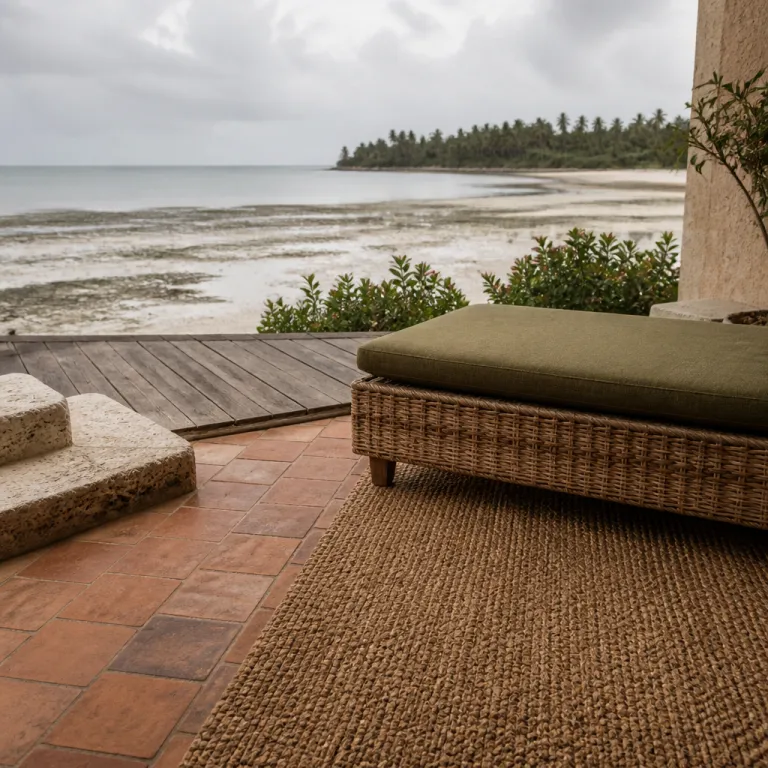
Best time to visit Tanzania and Zanzibar for luxury safaris and beach escapes
Planning when to travel is the single most important decision for a luxury Tanzania safari and Zanzibar beach holiday. Use this guide to match seasons, wildlife highlights, and coastal conditions to your personal travel style.
| Month / season | Safari conditions | Zanzibar coast | Ideal for |
|---|---|---|---|
| Jan–Feb | Calving season in southern Serengeti / Ndutu plains | Warm, generally dry, good for swimming | Migration calving, photography, shorter showers |
| Mar–May (long rains) | Lush landscapes, some camps close, muddy tracks | Heavier rainfall, quieter resorts | Value seekers, wellness, cultural stays |
| Jun–Oct (main dry season) | Prime game viewing in northern parks | Lower humidity, clear skies, calm seas | First-time safaris, families, classic luxury trips |
| Nov–Dec (short rains) | Fresh green scenery, scattered showers | Warm water, brief downpours | Quieter beaches, flexible pricing |
Understanding the best time to visit Tanzania and Zanzibar for luxury stays
The best time to visit Tanzania and Zanzibar depends on how you balance wildlife, beach relaxation, and crowd levels. For many guests, the standout period is the cool dry stretch from June to October, when skies are clear, humidity is lower, and luxury lodges operate at full finesse. During this window, a Tanzania safari pairs beautifully with a few days on a quiet Zanzibar shore, creating a seamless safari beach escape.
Travel planners often describe this dry season as the Tanzania best window for classic game viewing, because vegetation thins and wildlife concentrates around water. When you visit Tanzania between June and early October, you benefit from excellent visibility in the major national parks and a calmer sea state around Zanzibar, which suits premium catamaran cruises and private dhow charters. This is also peak season, so high end properties in national parks and on the islands encourage early booking to secure the best suites and private villas.
Luxury travelers who prefer softer light and fewer people may choose the shoulder months of late May or early November, when the long rains have eased or the short showers have not yet fully begun. During these transitional days, you still enjoy a good Tanzania safari experience, while Zanzibar’s beaches feel quieter and rates at some five star resorts can be more flexible. The key is to match your own preferred time to visit with the rhythm of each season, rather than chasing a single fixed definition of the best time.
Dry season versus rainy season for Tanzania safari and Zanzibar retreats
For wildlife enthusiasts, the dry season from June to October is widely regarded as the best time to visit Tanzania and Zanzibar in one itinerary. Game viewing in each national park is more predictable, because animals gather at permanent water sources and grasses are shorter, which suits photographers and first time safari guests. On Zanzibar, the same dry months bring long sunny days, ideal for private pool villas, rooftop cocktails, and sunset cruises arranged directly from your luxury hotel.
The rainy season in Tanzania is divided into short rains and long rains, and each affects your visit differently. From March to May, the long rains can bring around 200 mm of rainfall per month on the coast, according to climatological summaries from the Tanzania Meteorological Authority (TMA) and reports referenced by the Tanzania National Parks Authority (TANAPA), which sometimes leads to temporary lodge closures and trickier road conditions in certain national parks. Shorter showers in November and December are usually more forgiving, and some high end Zanzibar retreats use this quieter season to offer curated wellness programs and cultural excursions into local communities.
Many Kenya Tanzania combination itineraries still operate year round, but the style of travel changes with the weather. During the heaviest long rains, a Tanzania safari often focuses on well maintained reserves and national parks with better all weather tracks, while Zanzibar retreats emphasize spa rituals, Swahili cooking classes, and cultural stays in quieter villages such as those highlighted in this guide to cultural stays beyond Stone Town. Whether you choose dry season or rainy season, a thoughtful booking strategy ensures that your chosen travel dates align with the atmosphere you value most.
Great migration, national parks, and when to pair them with Zanzibar
For many travelers, the best time to visit Tanzania and Zanzibar is anchored around the great migration of wildebeest and zebra. This vast movement crosses several national parks and reserves in East Africa, with the famous Mara River crossings usually associated with Kenya, while calving and early movement stages unfold in Tanzania. When you plan a Kenya Tanzania circuit, you can time your visit so that you witness the wildebeest migration in one region, then continue to a quieter coastal retreat.
Within Tanzania, the Serengeti National Park and the Ngorongoro Crater are the two most sought after locations for viewing the wildebeest migration. According to TANAPA and published park reports, herds typically gather on the southern Serengeti and Ndutu plains from about December to March for calving, then move through the central Serengeti around April and May before pushing toward the western corridor and Grumeti River in roughly June and July. Luxury camps such as those featured in this overview of a moving Serengeti sanctuary for the great migration position themselves strategically to follow the herds during the dry season. When you combine these national parks with a few days on Zanzibar, you transform a classic Tanzania safari into a balanced safari beach holiday that alternates intense wildlife days with unhurried oceanfront evenings.
High end travelers often ask whether June October is the only excellent window for the wildebeest migration. In reality, the herds move throughout the year, and different months highlight different behaviors, from calving to river crossings and dust cloud marches. A curated list of preferred Tanzanian properties, such as those described in this article on which Tanzanian hotels joined a curated African collection, helps you choose lodges that align with your chosen season and your appetite for movement versus stillness.
Month by month: June, August, October, and beyond
June marks the start of the classic dry season and is often considered the best time to visit Tanzania and Zanzibar for guests who prefer cooler temperatures. Average daytime temperatures around Zanzibar hover near 27 °C in the dry months, according to long term observations summarized by the Tanzania Meteorological Authority, which feels comfortable for both poolside relaxation and guided cultural walks. In the northern national parks, June brings crisp mornings, clear horizons, and excellent visibility for big cat sightings during your Tanzania safari.
By August, the rhythm of peak season is in full swing, especially in the Serengeti and around the Ngorongoro Crater. Many travelers choose this month to visit Tanzania because school holidays align with the best time for family safaris, and the chance of witnessing wildebeest migration activity remains high. On Zanzibar, August offers good sea conditions for diving and snorkeling, while luxury hotels curate private sandbank picnics and yacht charters for couples and small groups.
October often serves as a graceful bridge between the driest months and the first hints of the short rainy season. It is still a good time to visit for those who want warm water, long beach days, and slightly softer pricing in some high end properties. If your schedule requires travel outside June October, a specialist advisor can still craft an excellent itinerary that balances national parks, coastal stays, and any Kenya Tanzania extensions you may wish to include.
Designing a luxury safari beach itinerary around your travel style
Choosing the best time to visit Tanzania and Zanzibar is only the first step; the next is shaping an itinerary that reflects how you like to travel. Some guests prefer to begin with a Tanzania safari in a flagship national park, then continue to Zanzibar for a restorative finale of spa treatments and ocean views. Others reverse the order, using a few quiet days on the coast to recover from long haul flights before heading inland to the national parks.
For wildlife purists, the Tanzania best structure is often three or four days in the Serengeti, followed by two days at the Ngorongoro Crater, then a final stretch on Zanzibar’s east coast. This pattern works especially well in the dry season, when internal flights operate frequently and road conditions are favorable. Travelers who value culture as much as wildlife may add time in Arusha or coastal towns, meeting local communities and sampling Swahili cuisine before or after their visit to Zanzibar.
To make this more concrete, imagine a nine day journey: arrive in Arusha for a night to rest, then fly to the central Serengeti for three days of game drives focused on big cats and, in season, the great migration. Continue to the Ngorongoro Crater for two nights to explore the caldera and enjoy crater rim views, before ending with three nights on Zanzibar’s east coast in a private villa, where you alternate dhow cruises, spa rituals, and unhurried beach time. Either way, aligning your preferred time to travel with your personal rhythm ensures that every day feels intentional, from the first game drive to the last sunset over the Indian Ocean.
Practical tips for booking premium hotels in Tanzania and Zanzibar
Once you have identified the best time to visit Tanzania and Zanzibar for your needs, booking strategy becomes crucial. During peak season in the dry months, the most sought after suites in national parks and on Zanzibar’s prime beaches can sell out many months in advance. Travelers who want specific views, private plunge pools, or interconnecting rooms for families should secure reservations early, especially for June, August, and October.
In the rainy season, availability is usually more flexible, but you still need to consider how long rains and short showers affect access and activities. Some remote camps may close when the long rains are heaviest, while others remain open with adjusted programming that emphasizes indoor comforts and shorter game drives. A reliable booking platform that collaborates with local tour operators, hotels, and transportation services helps you monitor any seasonal changes and continue refining your itinerary as your confirmed travel dates approach.
Travel information from experienced tour operators confirms that “June to October during the dry season” is widely regarded as the answer to the question “What is the best time to visit Tanzania for safaris?”. They also note that “Some lodges may close; roads can be challenging.” during the wettest months, and that “Yes, but weather varies; dry seasons are preferable.” when guests ask whether Zanzibar is suitable year round. With this context, you can weigh the excellent wildlife conditions of the dry season against the quieter ambience and potential value of traveling during the fringes of the rainy season.
Key figures for planning your Tanzania and Zanzibar journey
- Average daytime temperatures of around 27 °C during the dry season in Zanzibar, reported in climate normals by the Tanzania Meteorological Authority, create comfortable conditions for both beach relaxation and cultural excursions.
- Average rainfall during the long rains can reach approximately 200 mm per month on the coast, according to TMA and TANAPA climate summaries, which explains why some lodges reduce operations or close temporarily in these months.
- The main dry season from June to October typically offers the highest probability of clear skies and reliable game viewing in Tanzania’s northern national parks, which is why it is considered peak season for luxury safaris.
- Year round flight connections between mainland Tanzania and Zanzibar allow travelers to adjust the number of days spent on safari versus the beach, tailoring each itinerary to personal preferences and seasonal conditions.
FAQ about the best time to visit Tanzania and Zanzibar
What is the best time to visit Tanzania for safaris?
The most reliable period for a Tanzania safari is from June to October, when the dry season concentrates wildlife around water sources and vegetation is thinner. This window is especially strong for first time visitors who want predictable game viewing in major national parks. It also aligns well with combining a safari beach itinerary that ends with several days on Zanzibar.
Is Zanzibar suitable for travel year round?
Zanzibar is technically a year round destination, but conditions vary with the seasons. Dry months generally offer the best time for long beach days, smooth sailing, and clear underwater visibility. During the long rains, some travelers still visit Zanzibar for wellness retreats and cultural experiences, accepting more frequent showers in exchange for quieter resorts.
Are there travel restrictions during the rainy seasons in Tanzania?
There are usually no formal travel bans, but practical limitations can arise during the heaviest long rains. Some lodges in remote areas may close temporarily, and certain roads inside or between national parks can become challenging. Working with experienced tour operators helps you adjust routes and property choices to keep your visit safe and comfortable.
How many days should I plan for a Tanzania safari and Zanzibar stay?
A balanced luxury itinerary often includes six to ten days, with at least three nights on safari and three nights on Zanzibar. Wildlife enthusiasts may extend their Tanzania safari to multiple national parks, while beach focused travelers might allocate more days to the coast. The exact duration depends on your chosen season, flight schedule, and whether you add Kenya or other East Africa destinations.
Can I combine Kenya and Tanzania in one trip focused on the great migration?
Combining Kenya and Tanzania in a single journey is a popular way to follow the wildebeest migration across borders. Many travelers time their visit to see river crossings near the Mara River in Kenya, then continue to Tanzania’s Serengeti or Ngorongoro Crater for different migration phases. Coordinating this kind of East Africa itinerary requires careful attention to seasonality, internal flights, and park regulations, which is why specialist advice is strongly recommended.
Trusted references for further planning
- Tanzania Meteorological Authority (TMA)
- Tanzania National Parks Authority (TANAPA)
- World Meteorological Organization (WMO) regional climate reports
