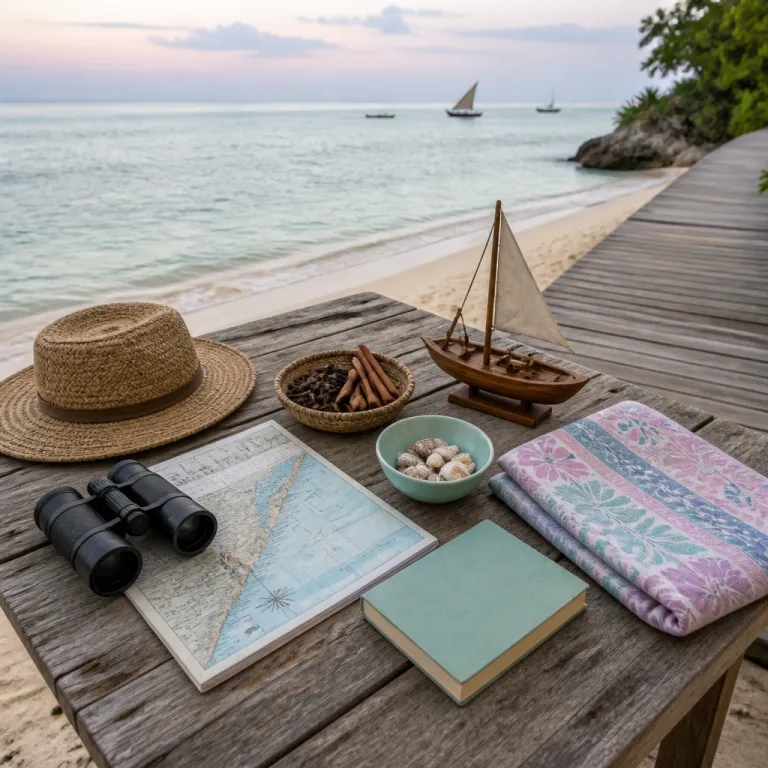
Designing a seamless safari and Zanzibar itinerary
Pairing a northern Tanzania safari with days on a Zanzibar beach creates a journey that feels both cinematic and deeply restorative. When you combine time in Serengeti National Park, the Ngorongoro Crater and a refined Zanzibar retreat, the contrast between golden plains and turquoise sea becomes the real luxury. A well planned trip Tanzania experience balances each safari day with unhurried hours beside the ocean, so every adventure has space to breathe.
Most travellers start their Tanzania safari on the mainland, flying into Kilimanjaro International Airport or Julius Nyerere International Airport in Dar es Salaam before heading to a lodge or tented camp in the bush. From there, a tour operator can arrange a private tour that links Serengeti, the Ngorongoro Crater and at least one other national park, then connects you by domestic flight to Abeid Amani Karume International Airport on Zanzibar for the beach finale. This integrated bush and beach approach reflects how local tour operators, lodges and camps now collaborate to create safari and Zanzibar combinations that feel effortless for guests.
Think of your safari and Zanzibar journey in three acts, each with its own rhythm and level of luxury. The first act focuses on wildlife, with early day game drives in Serengeti or the Serengeti–Ngorongoro corridor, returning to a tented camp where a private plunge pool or firelit deck elevates the lodge experience. A typical day might start with a 6 a.m. game drive, brunch back at camp around 11 a.m. and a second drive from 4 p.m. until sunset. The second act slows down on a Zanzibar beach or at a coastal resort, where the only decisions might be which seafood restaurant to try or whether to visit Stone Town for the afternoon. The final act is the journey home, ideally with a last sunrise walk on the sand and a quiet flight back to the mainland.
Choosing where to stay on mainland Tanzania before Zanzibar
For the safari section of your trip Tanzania, the choice between a permanent lodge and a mobile tented camp shapes how close you feel to the wilderness. A classic Tanzania safari circuit might include a lodge near Tarangire National Park, a tented camp in central Serengeti and a luxury property on the rim of the Ngorongoro Crater. For example, you might combine a Tarangire riverfront lodge with a seasonal Serengeti camp and a crater rim retreat that overlooks the caldera. Each stop offers a different style of comfort, yet all can be woven into one safari and Zanzibar itinerary that ends with several days on a Zanzibar beach.
Travellers who want more privacy often ask for a Tanzania private arrangement, such as a private tour vehicle or an exclusive use camp. This is where a specialist tour operator becomes invaluable, because they understand driving times between parks, domestic flight schedules and how to coordinate connections to Zanzibar flights. As a guide, the drive from Arusha to Tarangire takes around three hours, while the road journey from the Ngorongoro area back to Arusha can take four to five hours depending on stops. For a clear overview of regions and their character, many guests now rely on a region by region guide to where to stay in Tanzania, which helps them compare national park lodges, tented camps and coastal hotels before they confirm bookings.
On the ground, 4x4 vehicles, local guides and carefully chosen partners ensure that every safari day runs smoothly, whether you are tracking big cats in Serengeti or watching elephants in another national park. The best itineraries leave enough time between game drives for slow lunches at the lodge, spa treatments or simply watching wildlife from your veranda. When the mainland Tanzania section ends, a short flight of around one hour with airlines such as Air Tanzania, Precision Air or Auric Air shifts the mood instantly, as the green interior of Zanzibar gives way to white beaches and the warm Indian Ocean.
Finding the right Zanzibar retreats for post safari calm
After several intense days on Tanzania safari drives, the island of Zanzibar offers a softer light and a slower pace. Many travellers split their Zanzibar stay between Stone Town and a quieter beach village, so they can enjoy both cultural depth and pure relaxation. This two part approach works especially well for couples or families who want their safari and Zanzibar journey to feel varied yet coherent.
Stone Town, the historic heart of Zanzibar City, rewards unhurried exploration with its carved doors, hidden courtyards and rooftop restaurants. From a characterful hotel in Stone Town, you can walk to the seafront, visit markets and arrange day tours with a local tour operator before transferring to a beach resort on the east or north coast. A typical transfer from Stone Town to popular beach areas such as Nungwi or Paje takes about 60 to 90 minutes by road. For guests seeking more cultural immersion beyond Stone Town, curated cultural stays in Zanzibar’s quieter villages now highlight how local communities host visitors in ways that feel both authentic and comfortable.
On the coast, the choice of Zanzibar beach retreat depends on how you like to travel and relax. Some luxury properties focus on wellness, with long spa menus and yoga decks facing the sea, while others lean into water based adventures such as sailing, snorkelling and diving. A half day snorkelling trip by traditional dhow, for example, might cost from around US$40 to US$80 per person depending on group size and inclusions. Whatever you choose, the best beach hotels and camps understand that guests arriving from mainland Tanzania safaris need both privacy and flexibility, so late breakfasts, unstructured afternoons and gentle service become part of the experience.
Luxury details that elevate a safari and Zanzibar stay
True luxury on a safari and Zanzibar itinerary rarely comes from excess; it comes from thoughtful details that respect both guests and place. In Tanzania, many high end lodges and tented camps now prioritise eco friendly design, community partnerships and low impact game viewing, which means your time in Serengeti or the Serengeti–Ngorongoro region supports conservation as well as comfort. On Zanzibar, the most refined beach resort options mirror this approach by working closely with local communities and protecting fragile shorelines from overdevelopment.
For some travellers, the ultimate indulgence is a private plunge pool overlooking a river or savannah, where you can swim while watching wildlife move across the landscape. A curated selection of safari lodges with private plunge pools in Tanzania highlights properties where the swim comes with a wildlife view, allowing you to compare different lodge and camp designs before you book. Expect nightly rates for high end camps with private pools to start from roughly US$700 to US$1,200 per person sharing, including meals and game drives. Others prefer the intimacy of a small tented camp, where evenings around the fire and personalised guiding feel more luxurious than marble bathrooms or elaborate menus.
On Zanzibar, luxury often means space and silence rather than formality. A well chosen hotel on a quiet stretch of beach gives you room to walk for kilometres at low tide, returning to shaded loungers and attentive yet discreet service. When your tour operator or travel advisor understands how you like to spend each day, they can match you with a Tanzania private villa, a refined beach resort or a characterful townhouse in Stone Town that feels exactly right after your time in the bush.
Health, logistics and timing for a smooth Tanzania Zanzibar journey
Planning health formalities and logistics early makes a safari and Zanzibar holiday feel effortless once you land. Many travellers ask about yellow fever regulations, especially when combining mainland Tanzania with other African countries on the same trip. Current guidance from the World Health Organization indicates that a yellow fever vaccination certificate is usually required only if you arrive from, or transit through, a country with risk of yellow fever transmission, so always check the latest information with your airline, health provider and embassy before you travel.
From a timing perspective, the best period to visit Tanzania for classic wildlife viewing is the long dry season, when vegetation is thinner and animals congregate around water sources. Official advice from the Tanzania National Parks Authority confirms this, stating: “What is the best time to visit Tanzania? June to October during the dry season.” While Zanzibar is technically a year round destination, many guests prefer to align their beach days with the drier months on the mainland, so the entire trip Tanzania experience benefits from more predictable weather.
Domestic flights link major safari hubs with Zanzibar Airport, reducing travel time between a national park and your chosen beach resort. A good tour operator will coordinate these flights with lodge check in times, private tour transfers and any planned day excursions in Stone Town or other parts of the archipelago. As a rough guide, one way fares on scheduled domestic flights between Arusha and Zanzibar often start from about US$150 to US$250 per person, depending on season and baggage. To keep the journey smooth, pack light clothing suitable for both safari and beach, respect local customs in Zanzibar’s towns and villages and always allow extra time at each airport, especially when connecting between mainland Tanzania and the island.
Working with tour operators to personalise your safari Zanzibar experience
The most rewarding safari and Zanzibar holidays are usually crafted in close collaboration with a specialist tour operator. These experts understand how to sequence Serengeti, the Ngorongoro Crater, at least one other national park and a Zanzibar stay so that each location enhances the next. They also know which lodge, tented camp or hotel will suit your style, whether you prefer understated luxury or a more traditional camp atmosphere.
When you brief a tour operator, be specific about how you like to travel and relax. Explain whether you want more time in Serengeti or in the Serengeti–Ngorongoro region, how many days you hope to spend on a Zanzibar beach and whether a Tanzania private guide is important to you. This level of detail allows them to design a private tour that balances game drives, cultural visits in Stone Town and unstructured hours at a beach resort or coastal camp.
Local expertise also matters because Tanzania and Zanzibar together cover a vast area, and driving distances between parks can be long. Experienced operators use a mix of 4x4 transfers, domestic flights and, where appropriate, boats to keep each day efficient without feeling rushed. As one official style answer for travellers reassures, “Is Zanzibar safe for tourists? Yes, Zanzibar is generally safe for tourists.”, and when your itinerary is handled by professionals who work closely with local communities, lodges and guides, that sense of safety extends from the first airport arrival to your final sunset over the Indian Ocean.
Key figures shaping safari and Zanzibar travel
- Tanzania welcomes about 1.5 million international tourists each year, according to recent government tourism statistics, which underlines how established the safari and Zanzibar combination has become for global travellers.
- Around 38 percent of Tanzania’s land area is protected as national parks, game reserves or conservation areas, based on World Bank estimates, giving safari guests exceptional access to intact ecosystems before they continue to Zanzibar.
- Travel experiences that combine Tanzanian safaris with Zanzibar beach stays typically focus on three core objectives — wildlife viewing, beach relaxation and cultural immersion — which helps tour operators design balanced itineraries.
- Dry season months usually offer the most reliable wildlife sightings in Serengeti and the Ngorongoro Crater, while Zanzibar’s coastal climate remains warm enough for swimming for most of the year, allowing flexible timing for a combined trip.
- Guided tours, self drive safaris and domestic flights form the main methods of moving between mainland Tanzania and Zanzibar, with 4x4 vehicles, boats and airplanes used in combination to keep transfers efficient.
FAQ about luxury safari and Zanzibar stays
Is Zanzibar safe for tourists who are ending a safari in Tanzania ?
Zanzibar is generally considered safe for tourists, including those arriving from a Tanzania safari, provided you follow standard travel precautions such as using registered taxis, securing valuables and respecting local customs in Stone Town and beach villages.
What is the best time to combine a Tanzania safari with Zanzibar beaches ?
The most popular time for a safari and Zanzibar holiday is the long dry season, when wildlife viewing in Serengeti and the Ngorongoro Crater is at its peak and conditions on Zanzibar beaches are usually sunny with lower humidity.
Do most travellers need a visa for Tanzania and Zanzibar ?
Most international visitors require a visa for entry into Tanzania, which also covers Zanzibar, and this can often be obtained online or on arrival, although checking current requirements with your nearest Tanzanian embassy before you travel is essential.
How many days should I plan for a safari Zanzibar itinerary ?
A balanced itinerary usually includes at least five to seven days on mainland Tanzania for national park visits and three to five days on a Zanzibar beach, with an extra night in Stone Town if you want more time for cultural experiences.
Do I need a yellow fever certificate when flying to Zanzibar from mainland Tanzania ?
Travellers flying directly between mainland Tanzania and Zanzibar typically do not need to show a yellow fever certificate, but if your route includes a country with yellow fever risk, you should carry proof of vaccination and confirm rules with your airline before departure.