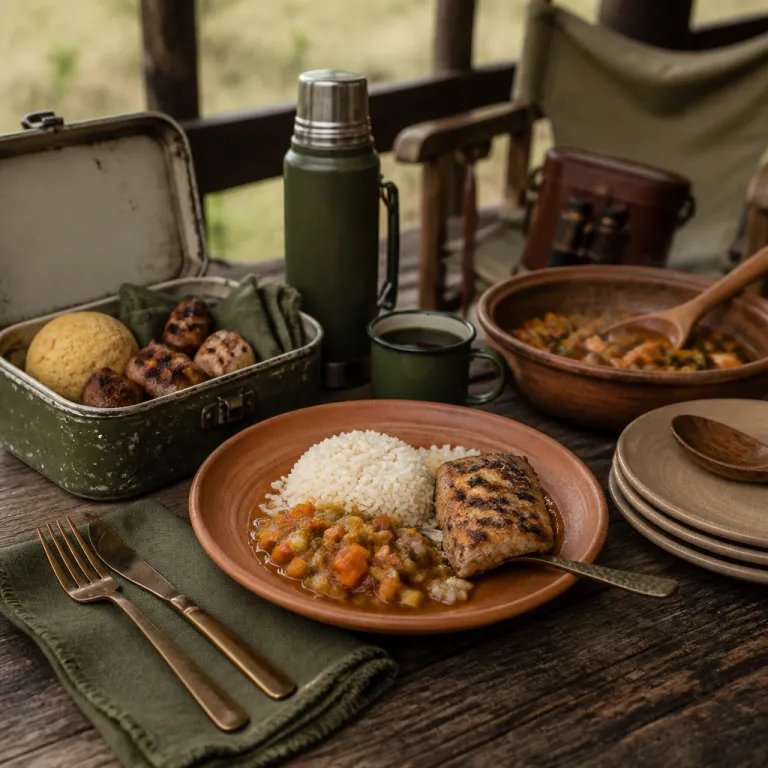
How Tanzanian lodges really use “all inclusive” on the northern circuit
In Tanzania, the phrase “Tanzania lodge all inclusive” can mean very different things from one property to the next. On the northern circuit that links Tarangire, Lake Manyara, the Serengeti and the Ngorongoro Crater, each safari lodge tends to design its own version of full board, all inclusive or game package, and the inclusions will shape your entire safari experience. Understanding these nuances before you confirm a camp or luxury lodge booking protects your budget and lets you focus on the wildlife rather than the bill.
Across safari accommodation in Tanzania, a clear majority of properties offer some form of full board, while a smaller but growing share market themselves as all inclusive, especially in the Serengeti and along the coast. That means you might compare a tented camp in the central Serengeti that quotes a tempting per person per night rate on full board with a northern Serengeti lodge that appears pricier but quietly includes game drives, laundry and drinks in a game package. For families planning a Tanzania safari, the best value is rarely the cheapest headline rate; it is the package that matches how you actually travel.
Luxury travelers often assume that an all inclusive Serengeti lodge will automatically cover every safari activity, but that is not how most Tanzanian properties structure their offers. Many luxury safari camps in Serengeti National Park or near the Ngorongoro Crater use “all inclusive” to describe meals plus drinks, while “game package” adds shared safaris, transfers and sometimes park fees. Before you fall for a dramatic view over the plains or a famous name like Singita or Melia Serengeti, you need to read the inclusions line by line and ask the lodge to confirm any grey areas in writing.
Full board, all inclusive and game package: what each plan really includes
Full board at a Tanzania lodge usually means breakfast, lunch and dinner, sometimes with tea and coffee, but drinks outside meals are often extra. One internal industry summary from Marvels of Africa puts it plainly: “What is included in a Full Board plan? All three meals; drinks may be extra.” On a multi-stop Tanzania safari through Tarangire National Park, the Serengeti and the Ngorongoro region, those extra drinks can add up quickly, especially if you enjoy sundowners after your evening game viewing.
All inclusive at a safari lodge in Tanzania typically adds house wines, local beers and soft drinks throughout the day, with premium spirits and imported labels either excluded or charged separately. Another Marvels of Africa reference used by East African tour planners clarifies a common assumption: “Does All-Inclusive cover alcoholic beverages? Often, but confirm with the lodge.” In practice, a luxury lodge in the northern Serengeti might include gin and tonics on the deck with sweeping views, while a tented camp in the central Serengeti limits you to local beers at meals, so you must check the exact bar list before you rely on the phrase “Tanzania lodge all inclusive.”
Game package is where the safari experience becomes more bundled, and where rate comparisons get tricky for peak season in Tanzania when every lodge is booked and the migration is in full swing. Under a game package, a Serengeti lodge or Ngorongoro property usually includes all meals, drinks, shared game drives, internal transfers and sometimes national park fees in a single per person per night rate. For a family following the Serengeti–Ngorongoro route on the northern circuit, this can be the best way to control costs, but you still need to ask: “Are game drives included in meal plans? Sometimes in All-Inclusive; check specifics.”
For more detail on how these elements appear on actual invoices, read this guide to Tanzanian hotel rate cards and hidden costs. It explains how conservancy fees, national park charges and transfers are layered on top of per person per night rates at different lodges across Tanzania. When you combine that knowledge with a clear understanding of full board, all inclusive and game package, you can compare a luxury safari camp in Tarangire with a Serengeti lodge or a Ngorongoro Crater rim property on equal terms.
The drink question, laundry and other extras that change the real price
Once you have chosen between full board, all inclusive and game package, the next layer of a Tanzania lodge all inclusive comparison is the fine print on drinks and extras. Many private camps in the Serengeti or Tarangire include house wines and local beers only during meals, while anything ordered at the bar between game drives is billed separately. On the other hand, some of the best luxury lodge options in the northern Serengeti quietly include all-day drinks, laundry and even limited spa treatments, which can transform the value of a per person per night rate.
Premium spirits are where expectations and reality often diverge, especially for guests used to Caribbean-style all inclusive resorts. A Serengeti lodge might offer a generous safari experience with endless game viewing and sweeping views, yet still charge extra for single malt whisky or French Champagne, even on an all inclusive or game package. The safest approach is to ask the lodge for a current bar list, check which brands are included and confirm whether sundowner drinks during safaris are part of the package or billed per drink.
Laundry is another quiet differentiator between full board and a true Tanzania lodge all inclusive offer, particularly on longer safaris through the northern circuit. When a tented camp in central Serengeti or a Ngorongoro Crater rim lodge includes daily laundry, you can pack lighter, which matters for small aircraft weight limits between national park airstrips. If you are planning a year-round family itinerary that links Tarangire, Lake Manyara, Serengeti National Park and the Ngorongoro region, those laundry inclusions can save both money and hassle over ten or twelve nights.
Families should also look at how children’s drinks and snacks are handled, because a luxury safari with young travelers often involves extra juices, hot chocolates and poolside sodas. Some lodges in Tanzania extend all inclusive drinks to children with sensible limits, while others charge every soft drink separately, which can inflate your bill. When you compare per person per night rates, always ask the lodge to specify whether the children’s policy mirrors the adults’ inclusions or follows a different structure.
Activities, park fees and when each plan makes financial sense
The biggest financial swing between full board, all inclusive and game package at a Tanzania lodge comes from how activities and park fees are handled. A full board rate at a Serengeti lodge or tented camp usually covers only meals and accommodation, leaving you to pay separately for every game drive, walking safari or cultural visit. By contrast, a game package at a luxury lodge in the northern Serengeti often includes two shared safaris per day, transfers between the airstrip and camp, and sometimes national park fees, which can make the per person per night rate look higher but the total bill lower.
Balloon safaris over the central Serengeti, private vehicle hire for a family, or specialist walking safaris around Tarangire’s baobabs are almost always extra, regardless of meal plan. Cultural visits to Maasai communities near the Ngorongoro Crater or Lake Manyara may be bundled into some high-end luxury safari packages, but most lodges in Tanzania treat them as optional add-ons. When you evaluate a Tanzania lodge all inclusive offer, ask the property to list which activities are included, which are available at a supplement and whether any game viewing is guaranteed each day.
Park fees and conservancy charges are another area where terminology can mislead, especially for first-time visitors to Tanzania. Some Serengeti National Park camps and Ngorongoro properties fold these fees into a game package, while others quote them separately per person per night, which can add a significant amount to a family safari experience. If you are comparing a Singita property with Melia Serengeti or a smaller independent tented camp, insist on a full cost breakdown that shows accommodation, meals, drinks, activities, park fees and transfers for the entire itinerary.
All inclusive makes the most financial sense when you plan to spend long days in camp, enjoy sundowners, and take advantage of included game drives in wildlife-rich areas like the northern Serengeti or central Serengeti. Full board can be better value if you are combining a Tanzania safari with time in Arusha or Zanzibar, where you might eat some meals outside the lodge and book only a few key activities. Game package is usually the best option for families who want predictable costs and a seamless safari experience, especially on complex routes that link Serengeti–Ngorongoro, Tarangire and Lake Manyara over ten or more nights.
Family focused planning: meal flexibility, children’s rates and private vehicles
For premium families, the right Tanzania lodge all inclusive plan is as much about flexibility as it is about cost. Children rarely eat three set-course meals at fixed times, so you need to know whether a Serengeti lodge or Ngorongoro Crater property can offer early dinners, simple pasta dishes or picnic-style options between game drives. Many of the best luxury lodge choices on the northern circuit will adapt menus for younger palates, but that flexibility is not always obvious from the rate sheet.
Children’s rates vary widely across lodges in Tanzania, and the structure can change depending on whether you book full board, all inclusive or a game package. Some tented camp operators in Tarangire or central Serengeti offer reduced per person per night rates for children sharing with parents, while others charge a flat fee per child regardless of age. When you compare a private villa-style camp with a classic luxury safari lodge, ask for a family-specific quote that shows how each child is priced under different meal plans.
Private vehicles are another key consideration for families, especially if you have younger children who tire easily or teenagers who are passionate about photography and game viewing. On a game package, some Serengeti National Park lodges include shared safaris only, while a private vehicle must be booked at extra cost if you want full control over your schedule. For a deeper dive into which properties genuinely welcome younger guests, this guide to family safari hotels in Tanzania highlights camps and lodges where children’s programs, flexible dining and thoughtful guiding are built into the experience.
Families should also ask how all inclusive or game package plans handle snacks, packed breakfasts and picnic lunches on long drives between national park gates. A well-run Serengeti–Ngorongoro itinerary might include bush breakfasts during early morning safaris, while a more rigid full board plan expects you back at the lodge for every meal, which can limit your time with wildlife. When you find a Tanzania lodge all inclusive offer that combines flexible dining, fair children’s rates and the option of a private vehicle, you have the foundation for a genuinely relaxed family safari.
Serengeti splendor: comparing real world examples from Singita to Melia Serengeti
Nowhere illustrates the complexity of Tanzania lodge all inclusive terminology better than the Serengeti, where properties range from ultra-luxury brands like Singita to larger hotels such as Melia Serengeti and intimate tented camps scattered across the plains. In the northern Serengeti, a Singita camp might quote a seemingly high per person per night rate, yet that figure often includes a deeply immersive safari experience with gourmet meals, premium drinks, laundry, game drives and sometimes even spa treatments. By contrast, a more moderately priced tented camp in central Serengeti may offer full board only, with every game drive, drink and transfer billed separately, which can narrow the gap once you tally the final invoice.
Melia Serengeti, perched on a hillside with sweeping views over Serengeti National Park, often markets packages that feel close to all inclusive, but the exact inclusions can vary by season and promotion. Some offers focus on meals and selected drinks, while others edge towards a game package by bundling shared safaris and transfers, so you must read the details carefully. Smaller Serengeti lodge operators in both the central Serengeti and northern Serengeti sometimes use “all inclusive” mainly as a marketing term, so always ask them to specify whether national park fees, game viewing activities and laundry are part of the deal.
Beyond the Serengeti, similar patterns appear in Tarangire, Lake Manyara and around the Ngorongoro Crater, where a mix of classic lodges and tented camps serve the northern circuit. A private camp near Lake Manyara might offer a highly personalized luxury safari with a private guide and vehicle, yet still structure pricing on a full board basis with activities added à la carte. When you compare these options with a Tanzania lodge all inclusive offer in the Serengeti or Ngorongoro region, focus on the total cost of your preferred safari experience rather than the label attached to the meal plan.
For travelers who value exclusivity, a small camp with only a handful of tents and expansive views over a remote valley may feel more luxurious than a larger property, even if the latter advertises a more generous all inclusive package. The best approach is to decide what matters most to you — uninterrupted wildlife, a dramatic view, a certain level of service — and then choose the meal plan that supports that priority without hidden costs. In a landscape where the spectacle of wildlife is constant year-round but the language of inclusions is anything but, informed questions are your most powerful planning tool.
Beyond the bush: coastal all inclusive versus safari centric packages
While this guide focuses on safari lodges in Tanzania, many travelers pair a Tanzania lodge all inclusive safari with time on the Swahili coast or Zanzibar, where resort-style all inclusive is more common. Properties such as Riu Palace Swahili operate on a near 24-hour all inclusive model, with buffet meals, snacks and drinks available almost continuously, which feels very different from the more curated rhythm of a safari lodge. If you are used to that beach resort style, it is essential to reset expectations before you arrive in the Serengeti or Ngorongoro region.
On safari, the best luxury lodge experiences are built around the game drive schedule rather than constant access to food and drink. A typical day in the northern Serengeti might start with coffee at dawn, followed by a long morning of game viewing, a bush breakfast, a relaxed lunch back at camp, and then an evening safari with sundowners overlooking a river or open plain. In this context, an all inclusive or game package is less about volume and more about ensuring that every drink, snack and meal fits seamlessly around your time with wildlife.
When you design an itinerary that combines a Tanzania safari with coastal relaxation, consider where you want to concentrate your budget. You might choose a full board tented camp in Tarangire or central Serengeti, paying separately for a few key safaris, then upgrade to a more generous all inclusive resort on the coast where you will spend more time on property. Alternatively, you may prefer to invest in a high-end game package at a Serengeti lodge or Ngorongoro Crater rim property, where every moment of your safari experience is curated, and then opt for a simpler bed and breakfast stay by the ocean.
Either way, the principle remains the same: match the meal plan to how you will actually use the lodge or resort, not to the most impressive-sounding label. On safari, that usually means prioritizing game viewing, guiding quality and location within the national park over the sheer breadth of the buffet. Once you understand how Tanzanian lodges define full board, all inclusive and game package, you can move confidently between bush and beach, knowing exactly what each per person per night rate truly buys.
Key figures on Tanzanian lodge meal plans and inclusions
- Internal benchmarking by Marvels of Africa, based on 2023–2024 rate sheets from more than 120 contracted properties, suggests that around 80% of safari lodges in Tanzania offer a full board option, which makes it the most common baseline for per person per night rates.
- The same Marvels of Africa survey indicates that approximately 60% of Tanzanian lodges now provide some form of all inclusive package, reflecting growing demand from travelers who want predictable costs and fewer on-site decisions.
- Sample invoices from northern circuit properties reviewed for that internal survey show that the price gap between full board and a genuine all inclusive or game package at the same lodge can reach 30–60%, largely due to the inclusion of drinks, activities and sometimes national park fees.
- Meal plans are offered year-round across the northern circuit, but inclusions may shift slightly between peak migration months in the Serengeti and quieter shoulder seasons.
- Most lodges require separate payment for premium activities such as balloon safaris, even when guests are on an all inclusive or game package, so these high-value experiences should be budgeted independently.
FAQ: Tanzanian lodge meal plans and safari budgeting
What is the main difference between full board and all inclusive at a Tanzanian lodge?
Full board at a Tanzania lodge usually covers breakfast, lunch and dinner, with drinks either limited to tea and coffee or charged separately at the bar. All inclusive typically adds house wines, local beers and soft drinks throughout the day, though premium spirits and imported labels may still cost extra. Because each property defines these terms differently, you should always request a written list of inclusions before confirming your booking.
Does all inclusive normally cover game drives and other safari activities?
At many Tanzanian properties, all inclusive refers mainly to meals and drinks, while game drives and other activities are priced separately. When a lodge uses the term game package, it usually means that shared safaris, transfers and sometimes national park fees are bundled into the per person per night rate. Always ask whether your chosen plan includes at least two game drives per day or whether you will be paying for each excursion individually.
Are park fees and conservancy charges included in lodge meal plans?
Park fees and conservancy charges are not automatically included in full board or standard all inclusive plans at Tanzanian lodges. Some high-end camps and lodges on a game package basis incorporate these fees into the overall rate, while others list them as separate line items on your invoice. To avoid surprises, request a full cost breakdown that shows accommodation, meals, drinks, activities, park fees and transfers for every night of your itinerary.
How should families choose between full board, all inclusive and game package?
Families should start by estimating how much time they will spend in camp, how often children will want drinks and snacks, and how many game drives they plan to take. If you expect to be on safari twice daily with frequent sundowners and flexible mealtimes, a game package or well-structured all inclusive plan usually offers the best value. Full board can work for shorter stays or mixed itineraries, but you must factor in the extra cost of drinks and activities when comparing per person per night rates.
Do Tanzanian lodges cater for special diets within these meal plans?
Most quality lodges in Tanzania can accommodate special diets such as vegetarian, vegan, gluten free or dairy free within any meal plan, provided they receive advance notice. Because many safari camps are remote and rely on scheduled supply deliveries, it is essential to communicate your requirements clearly at the time of booking. When you confirm your full board, all inclusive or game package, ask the lodge to acknowledge your dietary needs in writing so the kitchen can plan accordingly.