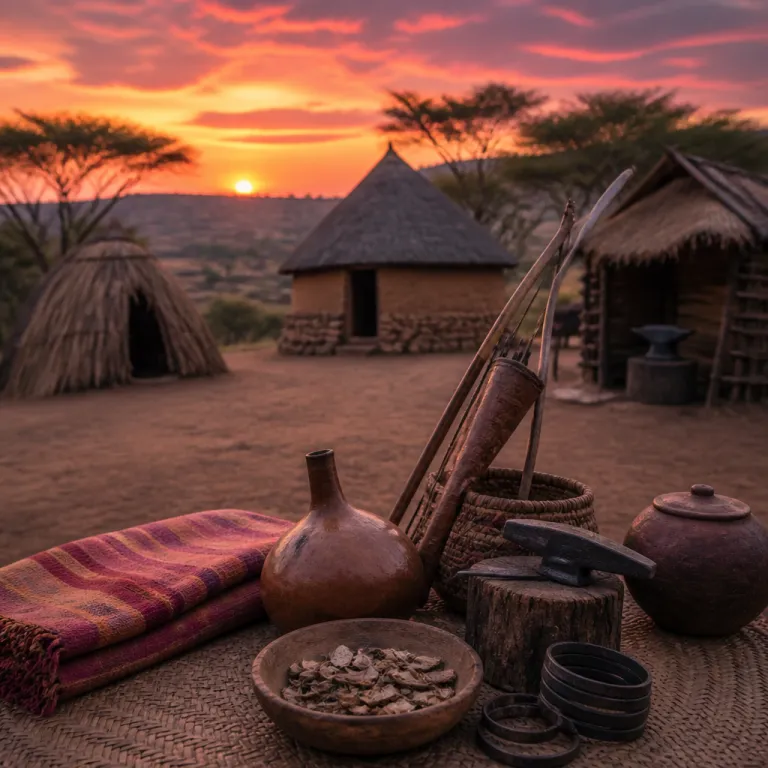
Why tanzania cultural experiences beyond maasai belong on your safari itinerary
Most travelers arrive in Tanzania dreaming of wildlife and a Maasai cultural visit near a famous national park. Many leave without realising that tanzania cultural experiences beyond maasai open a deeper window onto the country’s people, culture and heritage, especially around Lake Eyasi and the Ngorongoro highlands. For luxury travelers who care about human connection as much as game drives, these quieter cultural encounters can become the most vivid memory of an African safari.
Across East Africa, tourism narratives often narrow culture to Maasai culture, a Maasai village dance and perhaps a stop en route to the Serengeti or the Ngorongoro Crater. Yet Tanzania holds more than 120 ethnic communities, and the Hadzabe hunter gatherers, Datoga pastoralists and Iraqw farmers offer cultural tours that feel lived rather than staged, especially when arranged through responsible travel partners. Choosing the right lodges and safaris around Karatu, Lake Eyasi and the crater rim lets you balance wildlife, African safaris and meaningful cultural experience in a single, elegantly paced journey.
For guests used to premium hospitality, the key is curation, not quantity of tours or the number of people you meet. A single morning with the Hadzabe or an afternoon with a women led Datoga cooperative can say more about Tanzania people than a week of rushed cultural safari checklists. When you plan travel with this mindset, tanzania cultural experiences beyond maasai become a thread that connects your luxury camp, your safari drives and your time on the Indian Ocean coast into one coherent story.
Staying near Lake Eyasi for a Hadzabe hunter gatherer morning
Lake Eyasi sits south of the Ngorongoro Crater, a quiet salt lake where wildlife shares the acacia woodland with one of the last hunter gatherer communities in Africa, the Hadzabe. Here, cultural experiences move far beyond a Maasai village performance, as small groups of travelers join Hadzabe men and Maasai women style bead makers at dawn for a walk that feels like stepping into another way of reading the land. Luxury lodges and tented camps on the escarpment, such as Kisima Ngeda Tented Camp or Ziwani Lodge, offer early coffee, then a short drive with expert guides to meet the community before the heat builds.
A typical cultural experience begins with simple greetings, then the Hadzabe invite you to follow them into the bush as they track small wildlife, forage for tubers and demonstrate fire making with traditional tools. This is not a choreographed show for cultural tours; it is their daily experience, and you are a guest, so you walk lightly, listen carefully and let the rhythm of the morning set the pace. Many travelers say this time in Tanzania, away from safari vehicles and national park rules, is where they finally feel a genuine human connection with people whose lives are shaped by the same landscape that frames their African safaris.
Because demand for tanzania cultural experiences beyond maasai is rising, it matters who arranges your visit and how many people join. Look for lodges that limit group sizes, pay transparent fees to the community and brief guests on etiquette, modest dress and photography before any cultural safari. For example, some Karatu and Eyasi operators follow a 60/40 model, with 60 percent of cultural visit fees paid into a village fund that supports school bursaries and water projects, and 40 percent covering guides, transport and administration. For a deeper framework on respectful encounters, read a guide to genuine community immersion such as maasai cultural visits done with respect, then apply the same principles when you plan Hadzabe experiences.
Datoga blacksmiths, women led cooperatives and the quiet art of metal
Where the Hadzabe move lightly through the bush, the Datoga communities near Lake Eyasi root their culture in cattle, metal and meticulous craft. These pastoralists and blacksmiths migrated across East Africa, and in northern Tanzania they now welcome travelers into homesteads where the ring of hammer on metal replaces the drumbeat of a Maasai cultural dance. A Datoga visit pairs beautifully with a morning hunt, giving you two contrasting cultural experiences in one carefully planned day.
In a typical Datoga cultural tour, you step into a compound where women led beadwork groups sit alongside open air forges, and you watch as scrap metal is transformed into arrowheads, bracelets and tools for local communities. The cultural experience is tactile and smoky, with children peering curiously and elders explaining how this African craft economy supports school fees, food and resilience when wildlife or drought pressure their herds. Many luxury travelers choose to buy a small piece directly from the artisan, turning a simple travel souvenir into a direct investment in Tanzania people and their heritage.
Ethical operators frame these tours as part of responsible travel, not as a quick stop between safaris and game drives in a nearby national park. Ask your lodge how much of your cultural safari fee reaches the Datoga community, whether there is a cooperative structure and how often groups visit to avoid fatigue. Around Eyasi, for instance, Datoga women’s beadwork groups and blacksmithing circles often organise themselves as savings and loans associations, deciding collectively how tourism income supports families. When tanzania cultural experiences beyond maasai are scheduled with rest days, thoughtful timing and clear financial benefits, they enrich both the guests and the people who host them.
Iraqw highland life between Karatu, the crater and Lake Manyara
As you drive between Lake Manyara and the Ngorongoro Crater, the green highlands around Karatu hide another layer of tanzania cultural experiences beyond maasai. Here the Iraqw, Cushitic speaking farmers, have shaped the landscape with terraced fields, underground houses and a farming culture that feels far from the open plains of a classic safari. Staying in a refined lodge near Karatu, such as Gibbs Farm or Plantation Lodge, lets you pair morning game drives in the crater with afternoon walks through Iraqw villages, guided by local community members.
An Iraqw cultural tour often includes a visit to traditional semi subterranean homes, built partly underground for protection from wildlife and raiders, and a shared meal featuring grains, vegetables and dairy from nearby fields. This cultural experience is slower and more conversational than a Maasai culture dance, with time to talk about education, faith, migration and how climate change is reshaping agriculture in this part of East Africa. For many travelers, hearing Tanzania people describe their own heritage while standing in a cool earthen house is as powerful as any moment on the rim of the Ngorongoro Crater.
Luxury properties in Karatu now weave these cultural experiences into longer stays, encouraging guests to spend an extra night off the main safari circuit. That extra time allows you to balance wildlife safaris in the crater or a nearby national park with meaningful cultural safari encounters that support local communities through guided tours, homestays and workshops. On the ground, most Iraqw visits run as half day excursions, leaving space for rest or a gentle walk on the lodge’s own farm. When you treat these visits as core parts of your Africa travel, not optional add ons, you begin to see how culture, landscape and hospitality interlock across Tanzania.
Choosing lodges and camps that respect culture, wildlife and community
For discerning travelers, the question is not whether to include tanzania cultural experiences beyond maasai, but which lodges and camps can host them with integrity. Around Karatu, Lake Eyasi and the Ngorongoro highlands, a handful of properties work closely with community leaders to design cultural tours that feel intimate, fair and aligned with responsible travel principles. When you compare options, look beyond room categories and ask how each property engages with nearby communities, from Hadzabe hunter gatherers to Datoga blacksmiths and Iraqw farmers.
Strong partners share clear information about fees, group sizes and how often they run cultural experiences, and they brief guests on etiquette before any visit. They also understand that a cultural safari should complement, not compete with, your time on African safaris in the Serengeti or a coastal stay on the Indian Ocean, so they pace itineraries to avoid fatigue for both guests and host communities. Some of the most thoughtful programs are women led, giving Maasai women, Datoga artisans and Iraqw entrepreneurs a direct voice in how tourism revenue supports education, healthcare and cultural heritage projects.
As you plan travel across East Africa, consider how these northern Tanzania stays can link with time in Kenya’s Maasai Mara or gorilla regions in Uganda Rwanda, creating a broader arc of culture and wildlife. A week that combines game drives in a national park, nights near the Ngorongoro Crater and a few days of cultural immersion around Lake Eyasi offers a richer sense of Africa than a fast moving safari alone. As one community liaison in Karatu explains, “When guests slow down, stay longer and listen, tourism becomes a partnership, not a performance.” When you choose properties that treat people, wildlife and culture with equal respect, every experience on your itinerary gains depth and meaning.
Designing a luxury itinerary that balances culture, cuisine and coast
The most rewarding tanzania cultural experiences beyond maasai rarely stand alone; they sit inside itineraries that balance wildlife, culture and the Indian Ocean coast. One elegant arc begins with African safaris in the Serengeti, continues with cultural experiences around Lake Eyasi and Karatu, then ends with a few slow days on Zanzibar or another east coast island. This rhythm lets travelers absorb intense cultural encounters, reflect during quiet safari evenings and then unwind by the sea.
Food becomes a subtle bridge between these worlds, from Hadzabe foraged honey to Iraqw grains and the Swahili flavours of the coast. To understand how centuries of trade shaped this culinary culture, read a deep dive into the Swahili coast table on Tanzania’s most complex cuisine, then notice how those influences echo in lodge menus across the country. When you taste an aromatic coastal curry after a day of game drives and a morning in a Datoga forge, you feel how Africa’s cultures, communities and landscapes interweave across distance.
Practical details matter too, especially for solo explorers who value comfort and safety as much as authenticity. Choose operators who use qualified local guides for all cultural tours, maintain strong relationships with community leaders and schedule visits at times that respect daily routines, ceremonies and farming cycles. In northern Tanzania, the long dry season from June to October offers easier road access and clearer walking conditions, while the green months of November and April May bring dramatic skies and quieter trails. As one local briefing puts it with refreshing clarity, “What activities can visitors participate in? Hunting with Hadzabe, blacksmithing with Datoga, farming with Iraqw.”
FAQ about Datoga, Hadzabe and Iraqw cultural stays
What activities can I expect during a Hadzabe, Datoga or Iraqw visit ?
Guests typically join Hadzabe hunter gatherers for short walks focused on tracking, foraging and fire making, always at the community’s pace. Datoga cultural experiences often centre on blacksmithing demonstrations, beadwork and visits to homesteads, while Iraqw tours highlight underground houses, farming practices and shared meals. These experiences are usually arranged as half day visits that fit naturally around nearby safaris and game drives.
Are these cultural experiences available year round in northern Tanzania ?
Hadzabe, Datoga and Iraqw communities live in the Lake Eyasi and Karatu regions throughout the year, so cultural tours operate in all seasons. Weather and farming cycles can influence the exact activities, with more agricultural focus during planting and harvest periods for Iraqw visits. Your lodge or tour operator will advise on the best timing within your broader Tanzania travel plan.
How do I know if a cultural tour is ethical and respectful ?
An ethical cultural safari keeps group sizes small, shares clear financial benefits with the host community and provides a detailed briefing on etiquette before your visit. Look for operators who work through community cooperatives, support women led initiatives and schedule rest days to avoid over visiting sensitive communities. If a tour feels rushed, heavily choreographed or focused mainly on staged photos, it is worth asking more questions or choosing a different provider.
Can luxury travelers enjoy these experiences without sacrificing comfort ?
Stays near Karatu, the Ngorongoro Crater and Lake Eyasi offer premium lodges and tented camps with high service standards, while still providing easy access to cultural experiences. You can spend mornings in the bush or village and return to fine linens, thoughtful cuisine and well curated wine lists by evening. The contrast between immersive cultural encounters and refined hospitality often enhances both sides of the journey.
How should I prepare for a cultural stay with these communities ?
Pack modest, neutral clothing, comfortable walking shoes and some cash for purchasing crafts directly from artisans in Datoga or Iraqw communities. Ask your lodge for guidance on greetings, photography and gift giving, and remember that listening is often more valuable than speaking. Approaching each visit with humility and curiosity ensures that tanzania cultural experiences beyond maasai remain respectful, memorable and mutually beneficial.