Kilimanjaro coffee at source: a tanzania food experience worth the detour
On the forested slopes near Moshi, the first serious tanzania food experience often begins with coffee rather than meat. Luxury lodges such as Legendary Lodge and Kilimanjaro Coffee Lodge now design full morning programs where guests walk through arabica trees at dawn, the air smells of wet earth and blossom, and a guide from a nearby estate like Kahawa Shamba explains how Kilimanjaro beans move from cherry to cup in a single day. It feels simple on paper, yet the way these tours connect food, travel and landscape can quietly reset how you eat for the rest of your safari.
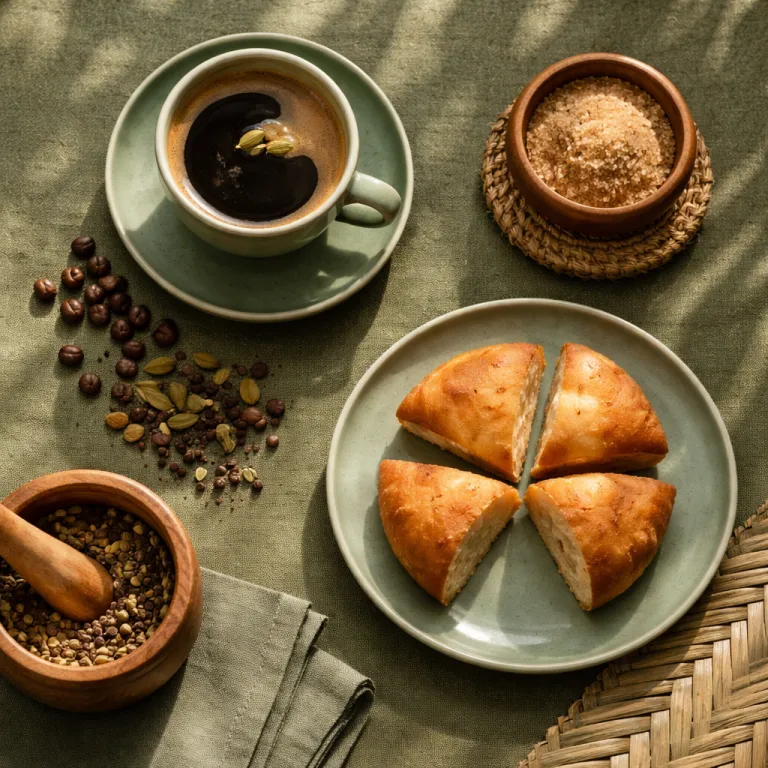
At high end properties around Kilimanjaro, breakfast is no longer just a buffet of international dishes served in a generic dining room. You might start with locally grown mango and passion fruit, then sit at a long table while a barista calibrates grind size and water temperature for three different single origin coffees from Kilimanjaro, Arusha and Mbeya, each paired with a small plate of Tanzanian cuisine such as mandazi, vitumbua rice cakes or spiced rice fritters. This is where the broader tanzania food scene begins to feel specific, not interchangeable with any other national park destination.
For business travelers extending a stay, these coffee focused meals turn a functional overnight lodge into a genuine food experience. Ask your concierge to arrange a half day coffee farm tour that ends back at the property with a guided tasting and a light lunch of grilled meat skewers, coconut milk braised greens and pilau spiced rice. One Moshi based manager describes their typical menu as “nyama choma with tamarind glaze, sukuma wiki with coconut and ginger, and cinnamon scented rice cooked in stock from local bones.” To keep your schedule efficient, request private transfers so you can return in time for afternoon meetings or a sunset game drive into a nearby national park.
Spice route dinners: from zanzibar spice markets to the chef’s table
Across the water in Zanzibar, the most memorable tanzania food experiences are built around spice rather than coffee. In Stone Town, the air smells of clove, cardamom and cinnamon near the old warehouses, and high end hotels such as Park Hyatt Zanzibar and Emerson on Hurumzi now translate that history into tightly curated tasting menus. The best properties treat each course as a short tour through centuries of Arab, Indian and Swahili trade, rather than a themed dinner for tourists.
On the main islands, several luxury resorts and safari camps with coastal outposts run half day spice tours that end in private dinners. You walk through smallholdings near Kizimbani where Zanzibar spice farmers peel bark and crush pods, then return to a beachside dining deck where pilau spiced rice, coconut milk curries and choma grilled fish are cooked over charcoal in front of you. A sample four course menu might open with cardamom scented pumpkin soup, move to grilled octopus with lime and chili, continue with coconut and turmeric fish curry over rice, and finish with clove ice cream and sesame brittle. When done well, this format justifies its premium because the food, the stories and the setting all align into one coherent experience.
If you are planning a high end safari that includes both mainland and coast, consider properties that offer serious farm to table programs and chef’s table style dinners in the bush. A useful reference is the detailed look at farm to table dining at leading safari lodges available through this guide to chef’s table experiences in the bush. Book spice route dinners at least one day in advance through your lodge, and ask specifically how many courses feature local ingredients such as rice grilled over coconut husk, grilled meat marinated in Zanzibar spice blends, and slow cooked stew inspired by traditional Tanzanian food.
Bush kitchens and safari camps: when the experiential dinner earns its markup
On the northern circuit, the most persuasive tanzania food experience often happens far from any permanent lodge. In mobile safari camps across Serengeti National Park, chefs now stage open air bush kitchens where guests watch the full cooking process before sitting down to multi course meals under the stars. The best of these dinners feel intimate and precise, not theatrical for its own sake.
At a well run camp near the Serengeti National migration corridors, you might return from a long day game drive to find a firepit ringed with lanterns and a small mise en place table. A chef explains how they keep food safe in remote conditions, then prepares a menu that could include nyama choma style grilled meat, a coconut milk and tomato stew, and pilau spiced rice cooked in heavy pots over coals. When the air smells of smoke and cardamom and you can hear hyenas in the distance, the line between safari and dining experience disappears.
The experiential dinner earns its markup when it adds genuine context to what you eat Tanzania wide, not just when it moves a table into the bush. Ask direct questions before you book through your travel planner or camp manager; request sample menus, clarify whether local dishes are actually prepared by Tanzanian cooks, and check how many guests share the same table. If the offer sounds vague, you may be better served by a well executed campfire barbecue with simple grilled meat, rice and salads, rather than an overpromised food tanzania concept that never quite lands.
Street food, cafés and the quiet luxury of eating like a local
Not every tanzania food experience needs white tablecloths or a view of Serengeti National plains. In Arusha and Dar es Salaam, executives between meetings can access a more grounded side of the food scene through carefully chosen street food stalls and contemporary cafés. This is where you feel how people actually eat, rather than how hotels think you want to eat.
Ask your concierge or driver to point out trusted vendors for mishkaki grilled meat skewers, chipsi mayai and smoky nyama choma, then pair one of these quick meals with a short city tour. A plate of rice, beans and slow cooked stew eaten at a clean, busy stand can be as revealing as any tasting menu, especially when you pay attention to how water is handled and how dishes are served. For coffee or cardamom inflected drinks, many international café menus now highlight spice led lattes and cold brews; their approach mirrors what forward thinking Tanzanian cafés in neighborhoods like Masaki and Njiro are starting to do with Zanzibar spice and local beans.
When you return to your hotel, ask whether the kitchen can recreate elements of the street food you enjoyed, perhaps with rice grilled over charcoal or a refined version of a local stew. Many premium properties now offer flexible menus where guests can request Tanzanian food classics alongside lighter, business friendly meals. This balance lets you keep your energy steady for work while still engaging deeply with the broader tanzania food culture that surrounds your meetings and safari plans.
How to book, pair and plan: making every meal work for your itinerary
For travelers using a luxury booking platform, the most effective tanzania food experience is the one that fits cleanly around flights, meetings and game drives. Many serious lodges and safari camps ask for at least one day of notice for special dinners, and some coffee farm or spice tours need up to 48 hours to coordinate guides and transport. Build these lead times into your travel calendar before you confirm room categories or internal flights.
When you review property options, look beyond generic mentions of "good food" and focus on how specifically they talk about cooking and ingredients. A lodge that can explain its coffee sourcing, its use of Zanzibar spice in sauces, and its approach to water management in remote kitchens is usually better prepared to deliver consistent meals. For those curious about beverage pairing, a simple rule works well; brighter Kilimanjaro coffees suit breakfast dishes and lighter desserts, while deeper Mbeya roasts pair comfortably with grilled meat, chocolate and late evening conversations around the fire.
To align your stay with standout culinary programming, use curated resources that focus on experience led properties rather than volume based listings. A practical starting point is this overview of exceptional Tanzania luxury hotel specials, which highlights stays where dining is central to the value proposition. As you plan, remember that the most rewarding food experience in Tanzania often comes from a sequence of meals — a coffee farm breakfast, a spice route dinner, a quiet plate of rice and stew in town — rather than a single, showpiece night.
FAQ
How much advance notice do I need to book coffee or spice tours through my hotel ?
Luxury lodges and safari camps in Tanzania commonly ask for at least 24 hours of notice for coffee farm visits, spice tours or bush dinners, and some request up to 48 hours to coordinate transport, security and special cooking setups. Because policies vary by property and season, check the booking terms for your specific lodge and request these experiences at the same time you confirm your room and safari schedule.
Are experiential dinners in safari camps safe in terms of food and water hygiene ?
Well run safari camps follow strict protocols for food storage, cooking temperatures and drinking water, even when meals are served outdoors. Ask your camp how they keep ingredients chilled, whether salads are washed in purified water and how long grilled meat or stew sits before service. If the team answers clearly and confidently, you can relax and focus on the experience rather than the logistics.
Can I find good vegetarian options within a tanzania food experience focused on coffee and spice ?
Many high end properties in Tanzania offer thoughtful vegetarian and vegan dishes built around rice, legumes, vegetables and coconut milk sauces. When you book, share your dietary preferences so chefs can plan pilau spiced rice, grilled vegetables and richly seasoned local dishes without meat. In line with global trends, many lodges now highlight plant based options on their sample menus.
What is cardamom coffee and where does it fit into Tanzanian dining ?
Cardamom coffee is coffee infused with cardamom spice for a unique flavor, a style that echoes the broader Arab, Indian and Swahili influence on the region. In Tanzania, you may encounter it as a welcome drink in coastal lodges, a digestif after spice route dinners or a mid morning treat in cafés that highlight Zanzibar spice. It pairs especially well with lightly sweet Tanzanian food such as coconut pastries or spiced rice cakes.
Do I need reservations for high end restaurants and special dining experiences in Tanzania ?
For serious tasting menus, chef’s table dinners and popular city restaurants, reservations are strongly recommended, especially during peak safari and holiday periods. Many properties allow you to book these experiences through their concierge or your travel planner when you arrange your lodge and safari camps. As a practical guideline from international operators puts it, "Do I need reservations? It's recommended; check individual websites."