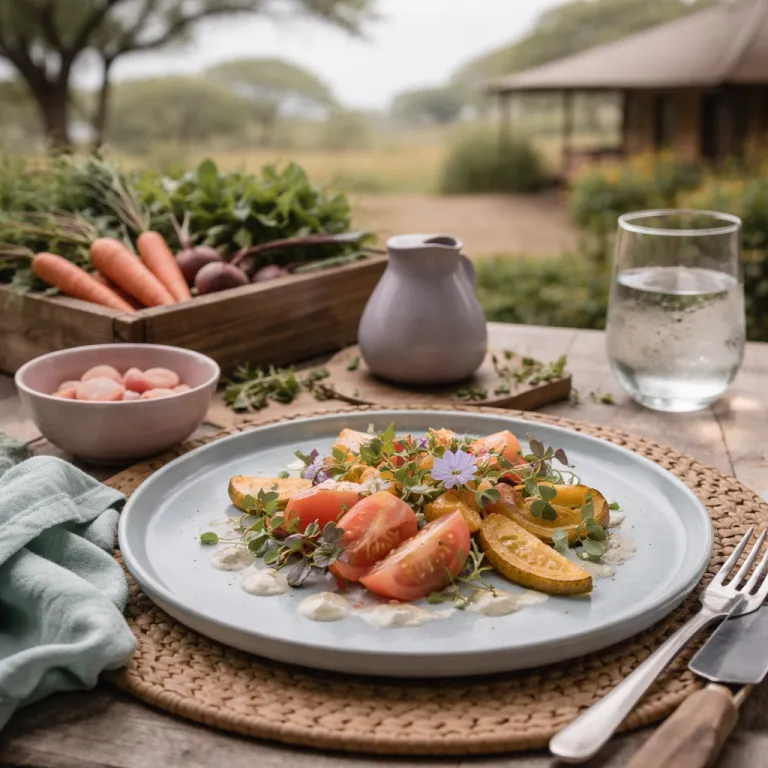
Why safari lodge dining in Tanzania now rivals the game viewing
Safari lodge dining in Tanzania has quietly become a reason to travel in itself. Across the country’s great national parks, from the Serengeti to the Ngorongoro Crater, chefs are treating every meal as a curated safari experience that matches the drama outside the tent. For couples planning a luxury safari, the right lodge can now turn each dinner into a defining memory, not just a refuelling stop between game drives.
At its best, safari lodge dining in Tanzania means a kitchen that understands place as deeply as the guiding team understands wildlife. The strongest culinary programs use locally sourced ingredients from nearby highland farms, lakes and the Indian Ocean, then frame them in menus that move with the migration and the seasons. When you choose carefully among Tanzania’s 150 or so safari lodges, you are effectively choosing a series of dining experiences that can be as layered and thoughtful as any urban fine dining itinerary.
Farm to table in this context rarely means a literal farm next to your camp, because the nearest serious agriculture might sit 200 kilometres away across a river valley. Instead, the most serious dining lodge kitchens work with regional suppliers and small producers, building short supply chains that still respect the realities of a remote national park. At several Serengeti properties, for example, dry goods arrive every ten to fourteen days from Arusha, while fresh vegetables and dairy are trucked in from the Karatu highlands two or three times a week, then carefully portioned to minimise waste. As lodge manager Anna Mollel at a central Serengeti camp notes, “We plan deliveries like game drives – with backup options – so guests never feel the logistics behind the plate.” This is where a specialist platform such as mytanzaniastay.com can help plan your route, matching your expectations for luxury and culinary ambition with the right safari lodge in each landscape.
What farm to table really means on a Tanzanian luxury safari
In the bush, a credible farm to table promise starts with transparency about sourced ingredients and the logistics behind them. You want to hear which highland farm table your vegetables came from, which coastal fish market supplied the day’s catch, and how the kitchen reduces waste when the nearest town is half a day’s travel away. The most serious lodges now publish sample menus that show seasonal shifts, making it easier to align your safari dining expectations with reality.
Properties such as Patamu Restaurant & Lodge in Karatu sit closer to fertile farmland, so their culinary teams can lean heavily on truly locally sourced produce and grains. Here, an evening dining experience might move from a light starter of grilled vegetables to a slow braise of goat or beef, then finish with tropical fruit that has travelled less than 50 kilometres. In more remote safari camps inside national parks, the same philosophy applies, but chefs must balance logistics, food safety and zero waste principles with the romance of a lantern lit bush breakfast or a riverside dinner.
Across Tanzania’s safari lodges, the shared goal is clear: “Emphasis on farm-to-table dining.” Kitchens that take this seriously design menus around what can be consistently sourced, not just what sounds appealing on a brochure. At one crater rim lodge, for instance, a typical late-summer menu might feature pumpkin soup with cardamom, grilled tilapia from Lake Victoria with mchicha greens, and a dessert of caramelised pineapple with vanilla from the Usambara Mountains, all built around deliveries scheduled every three to four days. A sample three-course dinner at a comparable Ngorongoro property might cost between US$40 and US$70 per person when itemised outside an all-inclusive rate. When you compare lodges, ask how often supplies reach the camp, whether the team can adapt menus for dietary needs without defaulting to imported staples, and how they handle leftovers in fragile wildlife ecosystems.
Serengeti and crater rim: lodges where the kitchen leads the story
Some properties in the Serengeti and around the Ngorongoro Crater now justify planning your entire itinerary around their culinary experiences. At Ndutu Safari Lodge, on the southern edge of the Serengeti ecosystem, home cooked meals and the option of a bush breakfast turn a standard game drive into a full day safari experience that starts with the smell of fresh bread at first light. Their dining lodge layout is simple, but the atmosphere during dinner feels authentically African, with migrating wildlife often audible in the darkness beyond the terrace.
Ngorongoro Serena Safari Lodge, perched on the crater rim, offers a different kind of luxury safari dining, pairing panoramic views with a menu that blends international dishes and regional classics. Here, a private table set near a picture window can frame both your wine glass and the crater floor, while the kitchen works with sourced ingredients from the surrounding highlands to keep the experience grounded in Tanzania. Couples who care about fine dining will appreciate how the team balances buffet service at busy times with à la carte options that feel more intimate and measured. As one food and beverage manager there explains, “We want guests to taste where they are, not feel as if they could be in any hotel dining room in the world.”
Inside Serengeti National Park, Serengeti Serena Safari Lodge and Four Seasons Safari Lodge Serengeti both treat the landscape as a stage for their culinary programs. At the Four Seasons, the Maji Bar and Terrace specialises in light plates and cocktails, ideal when you want a less formal dining experience between game drives or a relaxed lunch overlooking a waterhole. As one executive chef there explains, “We plan our menus around what can survive a six-hour journey from Arusha and still arrive in perfect condition, then build flavour with East African spices rather than heavy sauces.” Serengeti Serena, by contrast, leans into theatrical safari dining with outdoor dinners, occasional camp style setups and menus that reference both Tanzanian and South African influences without losing sight of local character.
How to read menus, chef’s tables and wine lists in the bush
For couples used to city restaurants, interpreting a safari lodge menu in Tanzania requires a slightly different lens. A strong culinary program will show a clear through line from breakfast to dinner, with at least one genuinely local dish at every meal and a thoughtful balance between meat, fish and plant based options. When a property advertises a chef’s table, ask whether it is a true multi course tasting menu with paired wines from a proper wine cellar, or simply a private table set slightly apart from the main dining room.
On a luxury safari, a serious chef’s table should feel like an edited narrative of the region, perhaps moving from a river fish course to highland vegetables, then finishing with coffee or tea from East African estates. Pricing will vary by lodge, but you are paying for time and attention as much as sourced ingredients, so it is worth booking only where the kitchen clearly has the depth to deliver. If the menu looks identical to the standard dining room offer, save your budget for a private bush breakfast or a lantern lit dinner in a quieter corner of camp instead.
Wine programs across Tanzania’s safari lodges are improving, with more thoughtful selections from South African producers and a growing interest in low intervention bottles that travel well in the heat. When you review a list, look for a concise but well structured range rather than sheer volume, and ask how the team stores bottles in a remote national park environment. A lodge that invests in proper temperature control, insulated storage rooms and staff training around pairings is usually signalling that the overall dining experiences will match the promise of the game drives.
Practical booking intelligence: dietary needs, timing and choosing your lodge
Handling dietary requirements on safari has improved significantly, but the key is to communicate early rather than waiting until check in. Most serious lodges now handle gluten free, vegetarian and many allergy related needs with confidence, yet they still rely on your operator or booking platform to help plan menus before you arrive. When you reserve, send a clear written summary of your needs, then confirm again with the camp manager on arrival so the kitchen can adjust each dining experience without last minute stress.
Timing matters as much as menus when you are structuring a romantic trip around safari lodge dining in Tanzania. Early game drives often mean a light pre dawn snack, followed by a full bush breakfast in the field, then a relaxed lunch back at camp and a more elaborate dinner after sunset. If you prefer a slower rhythm, choose lodges that offer flexible meal times, private decks for in room dining and the option of quieter corners away from the main camp fire when you want a more intimate safari dining atmosphere.
Finally, remember that not every property with white tablecloths and a long menu is truly focused on culinary experiences. Use specialist resources such as mytanzaniastay.com and in depth features on Tanzania camping safari experiences with premium comfort and luxury stays to identify lodges where the kitchen is central to the brand, not an afterthought. Ask direct questions about locally sourced produce, waste management, staff training and how the team integrates the surrounding wildlife and national parks into the narrative of each meal, then build your itinerary around the answers that feel most aligned with your own tastes.
FAQ
What types of cuisine can I expect at Tanzanian safari lodges ?
Most Tanzanian safari lodges offer a mix of traditional African dishes and international favourites, often presented as buffets at breakfast and lunch, then plated dinners in the evening. Menus typically feature grilled meats, fresh vegetables from highland farms, Indian Ocean fish and simple desserts built around tropical fruit. Higher end properties add more refined fine dining elements, chef’s table formats and better wine pairings while still reflecting local flavours.
How do lodges handle dietary restrictions and allergies ?
Lodges across Tanzania generally accommodate common dietary needs, including vegetarian, vegan, gluten free and some allergy related requirements, provided they receive clear information before your arrival. You should always communicate restrictions through your tour operator or booking platform, then reconfirm with the lodge on check in so the kitchen can plan safely. In very remote camps, options may be more limited, but thoughtful chefs still adapt menus using the ingredients already on site.
Is outdoor or bush dining safe around wildlife ?
Outdoor meals such as bush breakfasts and lantern lit dinners are carefully managed by lodge teams who understand local wildlife behaviour. Staff position these setups in areas with good visibility, keep vehicles nearby and maintain strict food handling protocols to avoid attracting animals too close. When you follow the guidance of your guides and camp managers, these experiences remain both safe and atmospheric.
Should I book special dining experiences in advance ?
Yes, it is wise to reserve any private dinners, chef’s tables or bush meals when you first confirm your safari itinerary. Lodges need time to allocate staff, secure specific ingredients and coordinate with guiding teams so that your dining schedule aligns with game drives. Popular experiences at well known properties can fill quickly in peak seasons, so early requests give you the best chance of securing preferred dates and times.
Are Tanzanian safari lodges suitable for serious food focused travellers ?
A growing number of Tanzanian safari lodges now offer culinary programs that can satisfy travellers who usually plan trips around restaurants. Properties in the Serengeti, around the Ngorongoro Crater and in other major national parks are investing in better sourcing, training and menu design. If you prioritise food, focus on lodges that speak clearly about locally sourced ingredients, seasonal menus and structured wine programs rather than generic international buffets.