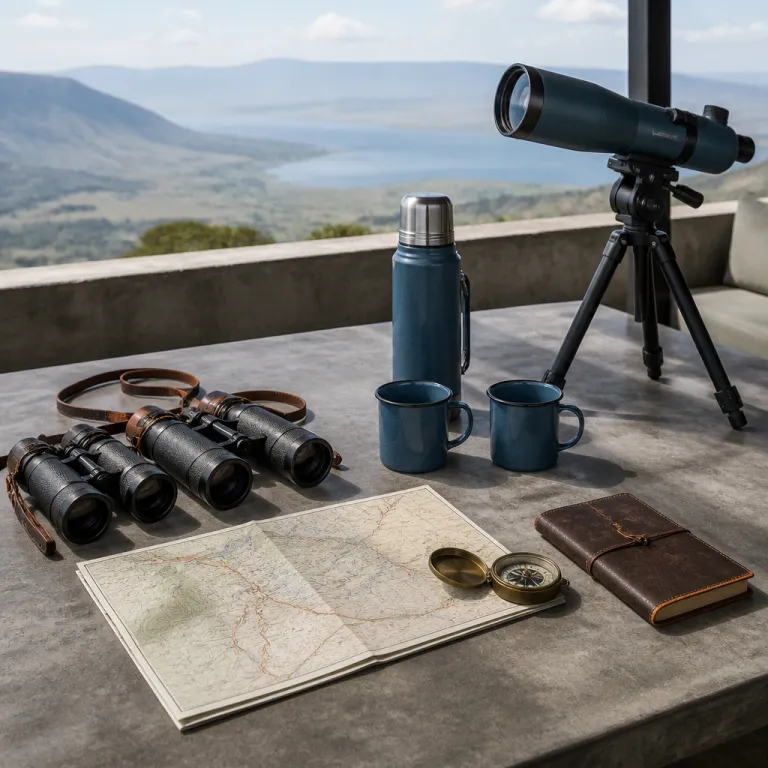
Manyara see and ngorongoro wonders for luxury minded travelers
Lake Manyara is where a shimmering soda lake meets a dramatic escarpment in northern Tanzania. Here the protected landscapes of Lake Manyara National Park and the neighbouring Ngorongoro Crater create a rare combination of scenery, wildlife and refined hospitality that suits demanding travelers. For guests planning a premium Tanzania safari, this compact region offers short transfer times, rich wildlife and a wide choice of high end camps and lodges.
The lake itself is a shallow alkaline sheet of water that expands from about 230 km² in the dry months to roughly 300 km² in the wet season, transforming the atmosphere of every stay. When you visit Lake Manyara during the rains, the mirrored surface reflects the forested walls of the East African Rift Valley and attracts huge flocks of flamingos and other bird species. During the drier time of year, the receding shoreline concentrates wildlife along the park lake edge, making game drives especially rewarding for guests who value intense sightings over lush scenery.
Lake Manyara National Park lies within the broader African Rift system, where the rift valley escarpment rises sharply above the floodplain and groundwater forest. This geography shapes both the wildlife experience and the design of luxury properties, which often position suites to frame the Tanzania lake and the cliffs in one sweeping view. For travelers comparing Kenya Tanzania itineraries, this corner of northern Tanzania offers a softer, more intimate atmosphere than the open plains, while still delivering classic Africa safari moments.
Choosing luxury camps and lodges around lake manyara and ngorongoro
High end travelers considering Lake Manyara usually choose between intimate forest retreats near the park gate, elevated camps lodges on the rift escarpment and grander properties closer to the Ngorongoro Crater. Each style offers a different balance of privacy, views and access to wildlife, so the best option depends on how you like to structure each day of your trip. Guests who prioritise quick access to game drives inside Lake Manyara National Park often stay near the park lake entrance, while those focused on the crater may prefer a lodge on the highlands.
Luxury camps lodges on the escarpment typically feature spacious suites with private decks facing the lake, ideal for quiet bird watching at sunrise or a nightcap under the African sky. Many properties offer curated Tanzania safari experiences that combine a day at Lake Manyara with a full day in the Ngorongoro Crater, using expert guides who understand both ecosystems in depth. For travelers seeking a benchmark of comfort near the crater itself, the detailed review of Neptune Ngorongoro Lodge as a luxury safari experience is a useful reference when comparing options.
When evaluating Manyara national area properties, look beyond headline amenities and consider how each lodge integrates with the surrounding wildlife and water systems. Some camps lodges invest heavily in conservation programs and community partnerships, aligning with the park’s goals to protect diverse species and support local economies through tourism. Others emphasise wellness, offering spa treatments and slow paced afternoons overlooking the Tanzania lake, which can be the best way to absorb the drama of the rift valley after an early morning game drive.
Wildlife, tree climbing lions and the rhythm of the day
Lake Manyara is famous among safari specialists for its unusual tree climbing lions, a behaviour that has been observed here for decades yet remains only partly understood. Visitors sometimes encounter a single climbing lion draped over an acacia branch above the park road, while on other days several climbing lions share the same tree, creating an unforgettable photographic moment. This behaviour is one of the innovations noted by conservation teams working in the area, who highlight it as a distinctive feature of the park’s wildlife story.
Lake Manyara National Park protects a mosaic of habitats, from groundwater forest and open grassland to marshes fed by the lake’s alkaline water, which together support more than 390 recorded bird species. For serious bird watching enthusiasts, the combination of pelicans, storks, raptors and seasonal flamingos makes a visit Lake Manyara experience that can rival more famous wetlands in East African destinations. The question many guests ask is simple: “What is the best time to see flamingos at Lake Manyara?” and the expert answer remains clear: “What is the best time to see flamingos at Lake Manyara? Answer: November to June during wet season.”
Daily rhythms matter when planning a premium Tanzania safari around Lake Manyara, because light, temperature and wildlife behaviour shift quickly between morning and night. Early game drives along the park lake edge reveal elephants emerging from the forest, while afternoon drives often focus on hippos, water birds and the search for lions resting in trees. As one long serving guide explains, “On hot days we check the big fig trees first; if the breeze is right, that is where the lions like to sleep.” For travelers who want a deeper understanding of predator dynamics and crater ecology, the curated overview of Ngorongoro Crater tours for refined travelers helps connect the Manyara experience with the wider Ngorongoro wonders.
Best time to visit, wet season drama and dry season clarity
Timing your Lake Manyara journey is one of the most important decisions when booking a luxury stay in this part of Tanzania. The generally recommended best time for a classic game viewing trip runs from about May to October, when drier conditions thin the vegetation and concentrate wildlife along the lake and river lines. During this period, roads inside the national park are usually easier to navigate, and the contrast between the green groundwater forest and the golden rift valley floor is striking.
The wet season brings a different kind of magic, especially for guests who value atmosphere, bird watching and photography over ticking off every large species. As the rains fill the Tanzania lake basin, the surface area of Lake Manyara expands, and the surrounding floodplains host vast flocks of flamingos and other water birds that transform the horizon into a moving pink and white band. For photographers planning a Kenya Tanzania circuit, this is often the best time to schedule a few nights at Manyara before or after visiting the Serengeti, because the soft light and reflective water create unique images.
Luxury travelers should also consider practicalities such as malaria precautions, which are recommended throughout the region, and the way rain can affect daily logistics. Some camps lodges adjust their activity schedules in the wet season, focusing more on flexible game drive timings and less on long walking excursions when the ground is saturated. If your priority is to balance wildlife, comfort and photographic opportunities, many specialists suggest combining a dry season stay near the Ngorongoro Crater with a shoulder season visit Lake Manyara, creating a nuanced view of the African Rift landscapes.
Designing a refined itinerary around manyara see and ngorongoro
Thoughtful itinerary design turns a simple visit to Lake Manyara into a layered journey through the East African Rift and the Ngorongoro highlands. Many luxury travelers arrive by road from Arusha, reaching the park gate in around two hours, then continue to the Ngorongoro Crater area after one or two nights along the lake. This routing keeps transfer times reasonable while maximising time inside the national park and the crater, which are the two main wildlife anchors of the region.
A typical high end Tanzania safari itinerary might start with a gentle first night overlooking the Tanzania lake, allowing guests to rest from international flights while still enjoying an afternoon game drive. The next day often includes a full exploration of the park lake circuit, focusing on elephants, hippos, tree climbing lions and the extraordinary diversity of bird species that thrive in the mix of forest and wetland. From there, travelers usually continue up the rift valley escarpment to a lodge on the Ngorongoro highlands, where cooler air and sweeping views over the African Rift create a different mood.
For photographers and keen naturalists, it is worth considering properties that offer private vehicles, specialist guiding or even hides and elevated decks designed specifically around the shot rather than just the sighting. A detailed feature on Tanzanian camps with photography hides and private decks highlights how certain camps lodges near Manyara and Ngorongoro have rethought their layouts to frame wildlife, water and rift valley backdrops. When these design choices are combined with flexible game drive schedules and attentive service, the overall experience feels tailored rather than generic.
Practical advice for premium bookings and on the ground experience
Securing the right property for your Lake Manyara stay requires more than simply choosing the most expensive option on a booking website. Start by clarifying whether your priority is proximity to Lake Manyara National Park, easy access to the Ngorongoro Crater, or a midway base that allows you to sample both without frequent packing and unpacking. Once that is clear, compare how each lodge structures its Tanzania safari activities, including the length and timing of game drives, the availability of night drives where permitted and the flexibility to arrange private experiences.
Travelers who value comfort should pay close attention to room categories, as suites with direct views over the Tanzania lake or the rift valley often justify a premium. Ask how the property manages water use and waste, because responsible practices are essential in a fragile African Rift ecosystem where climate change impacts are being studied and conservation efforts are expanding. Many guests also appreciate knowing that their stay supports park rangers, visitor centres and local communities, which are central to the long term protection of wildlife species and habitats.
On the ground, a well planned day around Lake Manyara might start with a dawn game drive along the park lake edge, followed by a relaxed brunch and an afternoon focused on bird watching or simply enjoying the view from your deck. As night falls, the sounds of the forest and distant lions often replace daytime birdsong, reminding guests that even the most luxurious camps lodges sit within a living, breathing ecosystem. For travelers who approach this region with curiosity and respect, the combination of lake, rift valley and crater creates an experience that lingers long after the trip ends.
Key figures for manyara see and ngorongoro wonders
- Lake Manyara covers roughly 230 km² in the dry season and expands to about 300 km² in the wet season, a fluctuation that dramatically alters shoreline habitats and wildlife viewing patterns (data referenced from Tanzanian government and conservation sources).
- More than 390 bird species have been recorded in Lake Manyara National Park, making it one of Tanzania’s most rewarding compact bird watching destinations for both casual observers and specialists (data referenced from TANAPA and UNESCO summaries).
- Lake Manyara National Park protects approximately 330 km² of diverse ecosystems, from groundwater forest to open floodplain, underlining its importance as a conservation area within the broader East African Rift system.
- The park and surrounding region have been recognised as part of a UNESCO Biosphere Reserve, reflecting their role in preserving biodiversity while supporting sustainable tourism and local livelihoods.
FAQ about manyara see, lake manyara and ngorongoro
Why are lions in Lake Manyara known for climbing trees ?
According to conservation notes from the area, “Why are lions in Lake Manyara known for climbing trees? Answer : Behavior is unique; reasons not fully understood.” Guides often explain that these climbing lions may seek cooler breezes, avoid insects or gain a better vantage point, but no single explanation has been scientifically confirmed. For travelers, this behaviour simply adds a distinctive highlight to a game drive in the park.
What is the best time of year to visit Lake Manyara for a safari ?
The generally recommended best time for classic game viewing runs from about May to October, when drier conditions make wildlife easier to see along the lake edge and in open clearings. Travelers focused on bird watching and flamingos may prefer the wet season from roughly November to June, when higher water levels attract large flocks of water birds. Luxury guests often combine a dry season stay near Ngorongoro with a shoulder season visit to Lake Manyara for a balanced experience.
Are there luxury accommodations near Lake Manyara and Ngorongoro Crater ?
Yes, the corridor between Lake Manyara National Park and the Ngorongoro Crater hosts a range of high end camps lodges, from intimate forest retreats to larger lodges on the crater rim. Many properties offer spacious suites, fine dining and curated Tanzania safari activities that link the lake, the rift valley escarpment and the crater floor. When booking, it is worth comparing how each lodge structures game drives, walking options and cultural visits.
How many days should I plan for manyara see and Ngorongoro ?
Most luxury travelers allocate at least two nights near Lake Manyara and two or three nights near the Ngorongoro Crater, creating a four to five night segment within a longer northern Tanzania itinerary. This allows time for multiple game drives in each national park, as well as relaxed afternoons enjoying lodge facilities and views over the African Rift landscapes. Shorter stays are possible, but they can feel rushed, especially when combined with long road transfers.
Is Lake Manyara suitable for families and first time safari guests ?
Lake Manyara is an excellent choice for families and first time visitors because the park is compact, varied and usually less crowded than some larger reserves. Game drives often deliver a mix of elephants, hippos, monkeys, bird species and, with luck, tree climbing lions, all within relatively short distances from the park gate. Many lodges in the area offer family friendly suites and flexible activity schedules that work well for children and multi generational groups.
References
- UNESCO – information on biosphere reserves and conservation frameworks in the East African Rift region.
- Tanzanian government wildlife authorities – official data on Lake Manyara National Park size, status and management.
- International conservation organisations working in northern Tanzania – reports on eco tourism, climate impacts and wildlife monitoring around Lake Manyara and Ngorongoro.