Why Ruaha feels like Tanzania’s last great wilderness
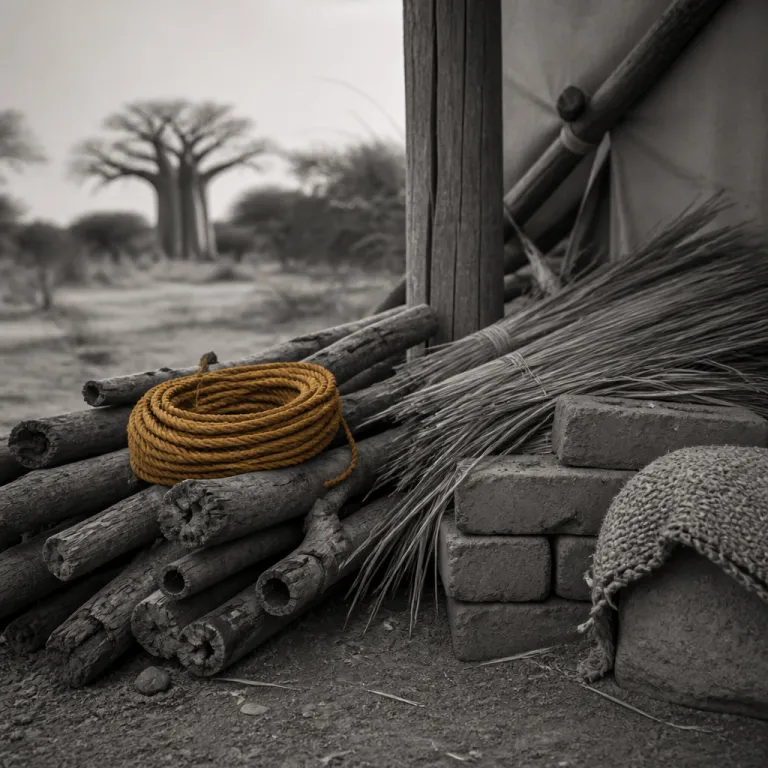
Ruaha lies in the heart of southern Tanzania, a vast national park where baobab forests, rocky kopjes and sand rivers stretch for more than 20,000 square kilometres. It is one of Africa’s largest protected areas, yet visitor numbers remain a fraction of those in the northern safari circuit, which means you often share wildlife sightings with only a handful of vehicles. For couples, families or solo travellers planning a safari, that quietness changes everything, because the time you spend with animals feels unhurried, intimate and genuinely wild.
The park’s remoteness is both its challenge and its greatest luxury, and it explains why Ruaha National Park lodges attract travellers who have already experienced the Serengeti and now want something deeper. Fly in from Dar es Salaam or Arusha on a light aircraft, and you drop straight into a landscape where the Great Ruaha River curls through granite outcrops and draws in elephants, lions and buffalo during the dry season. When you stay at a river lodge or a remote safari camp here, you are not chasing a checklist of the Big Five; you are watching how the ecosystem works, from hunting lions to endangered African wild dogs trotting along the river bank.
Ruaha is also a stronghold for rarer antelope such as sable and roan, which you almost never see in the busier northern parks of Tanzania. Birders are quietly obsessed with the park, because more than 570 bird species have been recorded, from migrant raptors to colourful bee-eaters along the Ruaha River and the Mdonya River. For travellers who care about conservation, there is another layer of meaning, since eco-focused camps here support Tanzania National Parks Authority and Tanzania Wildlife Research Institute projects that protect wildlife and help local communities adapt to the pressures of modern Africa.
The lodge landscape: from classic river camps to elevated ridges
Choosing between Ruaha National Park lodges is less about star ratings and more about how close you want to be to the river, the escarpment or the remote southern plains. Along the Great Ruaha River, Ruaha River Lodge strings a series of stone-and-thatch bandas along the bank, so you can watch elephants cross the river while you sip coffee on your veranda. This kind of river lodge set-up suits travellers who like the feel of a permanent lodge, with solid walls, a generous bar and the sense of a small safari village rather than a tiny tented camp.
Further south, Jongomero Camp sits in a quieter corner of the park, far from the main game-viewing loops, and it works beautifully for couples or groups who want a longer stay without seeing many other vehicles. The camp’s position near a seasonal riverbed means that, in the dry season, wildlife funnels past on its way to remaining water, turning every afternoon into a private theatre of game. When you compare Jongomero Camp with a more central safari camp in Ruaha National Park, you trade slightly longer drives to the Ruaha River for a feeling that this slice of wilderness belongs almost entirely to you.
On the escarpment, Jabali Ridge has become the shorthand for contemporary luxury in Ruaha, with just eight suites, an infinity pool and views that run for kilometres across the national park. Jabali Ridge is the kind of lodge where a person might spend an entire afternoon on the deck, watching dust plumes from distant game and listening to the wind in the baobabs. If you are planning a wider Southern Circuit itinerary that includes Mikumi, you can pair Ruaha with a stay at a larger lodge in that park, a combination we cover in detail in our guide to new Southern Circuit safari investments.
How to choose the right Ruaha camp for your safari style
When you look at Ruaha National Park lodges on a map, you will notice three broad clusters: central river camps, escarpment lodges and remote southern camps. Central options such as Ruaha River Lodge and Mwagusi Safari Camp sit close to the Ruaha River, which makes them ideal for first-time visitors who want reliable game viewing and shorter drives. These camps often offer a mix of game drives and walking safaris, so you can spend one morning tracking lion spoor on foot and the next following a leopard along the river bank.
Escarpment properties such as Ikuka Safari Camp and Jabali Ridge trade immediate river frontage for sweeping views, cooler breezes and a sense of elevation above the national park. From these lodges, you drop down onto the plains for morning game drives, then return to the ridge for long lunches and afternoon swims, which suits travellers who like a balance between activity and downtime. If you are travelling in peak season and worried about availability, our guide to where to stay when every lodge is booked explains how to secure the best rooms and when to be flexible on dates.
Remote safari camp options, including Jongomero Camp and smaller tented camp properties along the Mdonya River, appeal to travellers who have already done several safaris in Africa and now want solitude. These camps usually have fewer tents, a more informal atmosphere and a stronger focus on extended game viewing, sometimes staying out all day with picnic lunches. If you are the kind of person who values silence, starlight and the feeling that you are at the edge of a great wilderness, then a remote river camp or classic safari camp in Ruaha National Park will feel like the best possible use of your time.
Wildlife, seasons and the best time to visit Ruaha
Ruaha’s wildlife story is defined by its rivers and its seasons, and understanding both will help you choose between the different Ruaha National Park lodges. During the dry season from June to October, the Ruaha River and the Mdonya River become lifelines, pulling elephants, buffalo, lions and plains game into ever tighter concentrations. This is the best time to visit if your priority is predator action and clear, open game viewing, because the bush thins out and animals have fewer places to hide.
In the green months from November to May, the park transforms into a lush, dramatic landscape, with storm clouds building over the escarpment and newborn animals appearing across the plains. Game viewing can be more challenging in this period, but the rewards include fewer vehicles, lower per-person nightly rates at many camps and spectacular birding, especially around the river lodge properties. Some tented camp operations close during the heaviest rains, typically from March to May, so always check which safari camp or river camp is open at your chosen time to visit, and ask how the conditions affect access to different parts of Ruaha and the wider Tanzania safari circuit.
What sets Ruaha apart from many other national parks in Africa is the combination of high lion densities, large elephant herds and a strong population of African wild dogs. You also have a realistic chance of seeing rarer antelope such as sable and roan, which are almost absent from the northern Tanzania parks. For travellers who have already done multiple safaris, this mix of familiar big game and unusual species makes Ruaha feel fresh, and it is one of the reasons we rate several Ruaha National Park lodges among the best wildlife bases in the country. Elephant trends and predator data are regularly updated by the Tanzania Wildlife Research Institute and partner NGOs, so ask your guide about the latest figures when you visit.
Rates, value and how to read lodge reviews intelligently
Pricing at Ruaha National Park lodges varies widely, from relatively accessible tented camp options to high-end properties such as Jabali Ridge, and understanding what drives those rates will help you judge value. As a rough guide, simpler tented camps can start from around US$350–500 per person per night, while premium safari lodges and exclusive camps may range from about US$800 to well over US$1,500 per person per night in peak season. Remote locations, small camp sizes and fly-in logistics from Dar es Salaam or Arusha all increase costs, which is why a per-person night at a secluded safari camp can feel higher than a room in a city hotel. In return, you are paying for low vehicle density, expert guiding and the kind of game viewing that simply is not possible in busier parks.
When you read online reviews and look at each rating, focus less on generic praise and more on specific details about guiding, vehicle quality and how flexible the camp is with activities. Comments about walking safaris, night drives or how a guide handled a tricky sighting tell you far more about a lodge than a simple five-star rating. Pay attention to whether reviewers mention consistent wildlife around the Ruaha River or Mdonya River, because that indicates a strong location within the national park rather than a pretty view with little game.
It is also worth comparing how different camps handle sustainability, since eco-friendly practices are increasingly central to the Ruaha experience. Some lodges run on solar power, limit vehicle numbers per sighting and support local conservation projects, which adds intangible value to your trip. If you are planning a broader itinerary that combines Ruaha with the coast, our feature on safari and Zanzibar escapes explains how to balance your budget between a high-impact safari camp and a relaxed beach stay.
Getting to Ruaha and pairing it with the Southern Circuit
Reaching Ruaha National Park lodges is straightforward if you fly, and more demanding if you attempt the journey by road. Most travellers take a light aircraft from Dar es Salaam or Arusha, landing on one of the park’s airstrips in around two hours from the coast, which keeps transfer time manageable at the start or end of a long trip. Typical scheduled flights operate once or twice daily in peak season, with reduced frequencies in the green months. From there, your lodge or camp usually handles the game-drive transfer, turning your arrival into your first safari.
Road access into Ruaha National Park is possible from Iringa, but it is a long, often rough journey that can eat into your holiday time, which is why we recommend it only for seasoned self-drivers. For most couples, families and small groups, a fly-in safari from Dar es Salaam or Arusha offers the best balance of comfort and efficiency, especially if you are pairing Ruaha with other Southern Circuit parks. A classic route might combine a few nights at a river camp in Ruaha with time at a lodge in Mikumi or Nyerere National Park, giving you a sense of how different Tanzania’s ecosystems feel within a single trip.
As Southern Circuit infrastructure improves, new camps and lodges are opening, including eco-focused properties that mirror Ruaha’s low-impact ethos. This growth is part of a broader rise in interest in remote safaris, where travellers prioritise space, silence and authentic wildlife encounters over spa menus and marble bathrooms. For now, though, Ruaha remains one of Tanzania’s least visited national parks, and that scarcity of people is precisely what makes its lodges and camps so compelling.
Insider tips for couples booking Ruaha lodges
For couples planning their first stay at Ruaha National Park lodges, a few strategic choices will transform a good safari into a great one. Aim for at least four nights in the park, ideally split between a river lodge and an escarpment or remote safari camp, so you experience different habitats and styles of game viewing. This combination lets you spend time along the Ruaha River and the Mdonya River, then retreat to a ridge or quiet corner of the park for walking safaris and long, starlit dinners.
When you speak with your travel planner or lodge, ask detailed questions about guiding, vehicle configuration and how many guests they put in each car, because these factors shape your day more than almost anything else. A camp that limits each vehicle to four or six guests per drive will feel more exclusive than one that fills every seat, even if the nightly rate is similar. If you are sensitive to heat, consider the shoulder months at the start or end of the dry season, when temperatures are slightly softer but game is still concentrated along the rivers.
Finally, remember that Ruaha is a place for unhurried safaris rather than frantic box-ticking, so leave space in your itinerary for quiet afternoons on the deck and slow walks around camp with a guide. Many travellers arrive with a fixed idea of what a safari in Africa should look like, then find that the rhythm of Ruaha encourages them to slow down and watch the small details. As one local operator puts it, “Dry season (June to October) offers optimal wildlife viewing.”
Key figures that define Ruaha’s scale and wildlife
- Ruaha National Park covers about 20,226 km², making it Tanzania’s largest national park and giving it a significantly larger footprint than the Serengeti, which explains the park’s remarkable sense of space. This figure is drawn from official Tanzania National Parks Authority and Tanzania Wildlife Research Institute summaries.
- More than 570 bird species have been recorded in Ruaha, a level of avian diversity that places the park among Africa’s most rewarding birding destinations during both the dry and green seasons, according to long-term bird surveys and park checklists.
- Between 2009 and 2015, Ruaha’s elephant population declined by around 60%, a stark reminder of the pressures facing wildlife and the importance of supporting lodges and camps that invest in conservation; this statistic comes from aerial census work published by the Tanzania Wildlife Research Institute and conservation partners.
- Fly-in transfers from Dar es Salaam to Ruaha typically take about two hours by light aircraft, which makes the park surprisingly accessible despite its remote, wild character.
- Many camps in Ruaha operate with fewer than 15 tents or rooms, ensuring low guest density and quieter sightings compared with larger properties in more heavily visited parks.
Frequently asked questions about Ruaha National Park lodges
What is the best time to visit Ruaha National Park for a safari?
The best time to visit Ruaha for classic big game viewing is the dry season from June to October, when vegetation thins and animals concentrate around the Ruaha River and other remaining water sources. Predator sightings, including lions and sometimes African wild dogs, are particularly strong in these months. Birding is excellent year-round, but the green season from November to May brings more challenging game viewing and dramatic landscapes.
Are there budget friendly camps in Ruaha alongside luxury lodges?
Yes, Ruaha offers a spectrum of accommodation, from high-end properties such as Jabali Ridge and Ikuka Safari Camp to more modestly priced tented camp options. Camps like Chogela Safari Camp provide simpler comforts while still offering access to the park’s wildlife and landscapes. This range allows travellers to mix different price points within a single trip, balancing value and experience.
Is Ruaha suitable for family safaris or mainly for couples?
Ruaha works well for both couples and families, although its remote setting and long game drives tend to appeal most to older children and teenagers. Several lodges offer family tents or interconnecting rooms, along with flexible mealtimes and private vehicles on request. Families should discuss ages, interests and attention spans with their operator to choose the right camp and activity mix.
How many days should I spend at Ruaha National Park lodges?
A minimum of three nights is advisable, but four to five nights allows a more relaxed rhythm and better chances of varied sightings. With extra time, you can combine different areas of the park, such as a river lodge and a more remote safari camp. Longer stays also reduce the impact of any weather changes or quiet wildlife days on your overall experience.
How do I get to Ruaha from Dar es Salaam or Arusha?
The most efficient way to reach Ruaha is by scheduled or charter light aircraft from Dar es Salaam or Arusha, with flight times typically around two hours from the coast. Your chosen lodge or camp will usually include airstrip transfers as part of the safari package, turning the journey into a game drive. Road access is possible but long and demanding, so it is generally recommended only for experienced self-drivers or overland expeditions.