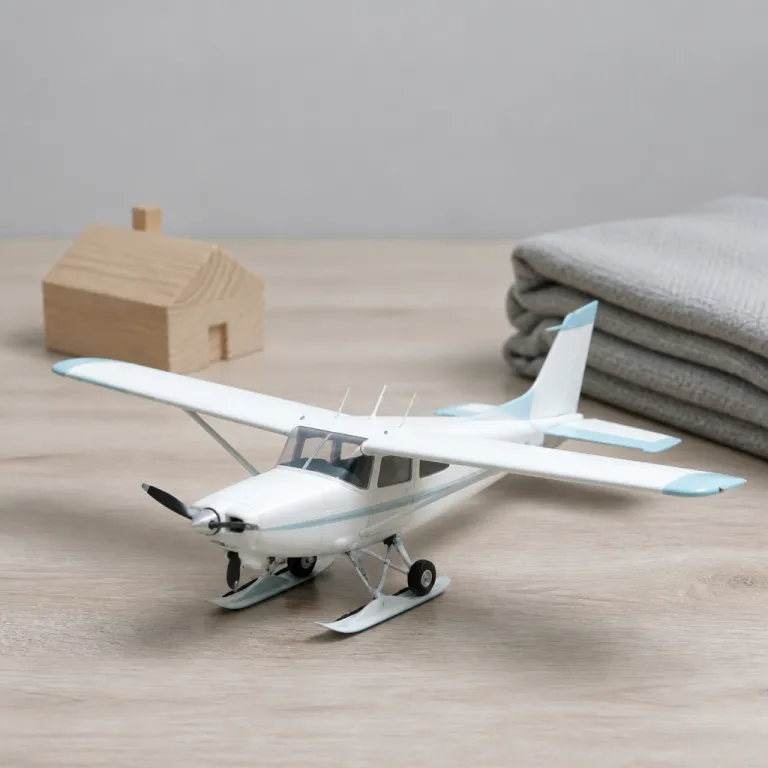
Bush Flight Safari Tanzania: Why Your Adventure Starts Before Landing
Why a bush flight safari in Tanzania starts before landing
The essence of a bush flight safari in Tanzania is that your safari begins the moment the propellers turn. From the first minutes of flying over northern Africa, the view from your window seat will frame volcanic craters, coffee estates and the first hints of the African bush. That short flight feels like a curated prelude to the adventure, not a transfer between airports.
On the classic Arusha to Serengeti hop, a small aircraft such as a Cessna Caravan climbs low enough for real game viewing, so your safari flying segment often reveals giraffes threading through acacia and the early lines of the migration herds. Typical flight times on this route range from 45 to 70 minutes, depending on intermediate stops, compared with a six to seven hour drive on mixed tarmac and gravel roads. The pilot will usually brief you on the route, pointing out national parks and river systems as the plane tracks west toward the Serengeti and its great migration corridors. This is bush flight safari Tanzania travel at its most distilled, where a short flight bush segment replaces a bumpy road journey and adds a layer of theatre.
For business travelers turning a work trip into a fly safari escape, this efficiency is decisive because every hour saved in transit becomes an extra sundowner or an unhurried game drive. A flying safari itinerary across Tanzania safaris can link Tarangire, the Serengeti and even Mahale Mountains in a single week without feeling rushed. When you book through a specialist platform or safari operator, the team will match specific bush planes and airstrips to your preferred lodges, ensuring the African flying logistics feel seamless rather than improvised. In this guide, MyTanzaniaStay is used as one example of such a platform; similar services are offered by a range of independent tour operators and lodge-based booking teams.
The feeling of flying into the African bush by small aircraft
Stepping onto the gravel beside a waiting bush plane in Arusha or Dar es Salaam, you sense immediately that this is aviation stripped back to its elegant essentials. The aircraft are compact, usually 12 to 14 seats, and every passenger understands that hand luggage must be soft sided and strictly weighed. Pack light for small aircraft, because the pilot will balance bags carefully to keep the plane trimmed for short bush runways.
Once airborne, the flying bush experience is surprisingly smooth, with the low altitude giving a cinematic view of baobab forests, oxbow lakes and scattered Maasai bomas. On routes toward Ruaha or Nyerere National Park, the flight will often track over vast wetlands where you can spot elephant paths and hippo pools long before your first official game drive. These flights are scheduled year round, and bush planes operate to at least eight lodges accessible by air, with an average flight time of around two hours between hubs and remote strips on Southern Circuit routes such as Dar es Salaam–Nyerere–Ruaha.
Southern Circuit itineraries show why a fly safari is redefining luxury safaris in Tanzania, especially for travelers who value time as much as money. A six to nine day route might link Nyerere, Ruaha and Mikumi National Park using a mix of scheduled flight bush sectors and occasional charter flying, turning what used to be punishing road journeys into a relaxed aerial safari. One recent traveler described the contrast simply: “We saw elephants from the air before we even checked in; by road we would still have been bumping along in the heat.” If you are considering this region, the licensed airstrip access at Mikumi Wildlife Lodge makes it a strategic base, and you can read more about this new infrastructure in our analysis of Mikumi’s role in the Southern Circuit. For images of these approaches, look for photos with descriptive alt text such as “Cessna Caravan approaching Ruaha National Park airstrip at sunset” or “aerial view of Nyerere wetlands from a bush plane window”.
Key airstrips and the lodges where arrival is theatre
Some airstrips in safari Tanzania are destinations in their own right, because the approach by air frames the landscape you will call home for a few days. Seronera airstrip, in the central Serengeti, drops you into classic savannah where your first game viewing often starts before the plane’s door opens. Here, properties such as Serengeti Bushtops and Singita Faru Faru Lodge use the proximity to the strip to have a guide waiting with cold towels and binoculars, turning the transfer into a continuation of your flying safari.
Farther north, Kogatende and Lamai airstrips serve the great migration corridor near the Mara River, where the view from the window seat can include long lines of wildebeest threading toward crossings. During peak migration, a bush flight safari in Tanzania Kenya border country means you may overfly herds that will later thunder past your vehicle, giving a layered perspective on the same safari. Lodges in private reserves, such as Mwiba Lodge in Mwiba Wildlife Reserve, rely on bush planes to maintain a sense of remoteness while still offering efficient access for high level guests.
On the more off grid side of Tanzania safaris, Katuma Bush Lodge and Palahala Luxury Camp in Katavi National Park, or Greystoke Mahale Mountains Camp on Lake Tanganyika, are only realistically reached by small aircraft. These national parks feel like the last frontier of the African bush, and the flight bush segments that reach them are often among the most scenic in Africa, with routes such as Arusha–Katavi typically taking around three hours including intermediate stops. For travelers who prefer a slower rhythm, properties around Tarangire National Park, including Tarangire Ndovu Tented Lodge and Tarangire Osupuko Lodge, pair beautifully with a stay at Chem Chem, which we explore in depth in our feature on immersive slow safari in Manyara’s wilderness. A sample fly-in itinerary might run Arusha–Tarangire (30–40 minutes), Tarangire–Seronera (about 45 minutes) and Seronera–Kogatende (roughly 30 minutes), with each hop timed to connect with afternoon game drives.
Time, cost and comfort: when a flying safari is worth the premium
Choosing between a drive in safari and a fly safari in Tanzania is ultimately a question of how you value time, comfort and budget. Overland routes between Arusha and the Serengeti, or Dar es Salaam and Nyerere National Park, can take most of a day on corrugated roads, while a bush plane covers the same distance in under an hour. For an executive traveler adding three safari days to a regional business trip in South Africa or Nairobi, that difference will determine whether you enjoy two full days of game viewing or lose one to transfers.
Costs for a bush flight safari in Tanzania vary by route and season, but the premium typically reflects both the aircraft operation and the convenience of landing close to your lodge. As a broad indication, one-way fares on popular routes such as Arusha–Serengeti often start around US$250–US$400 per person in low to shoulder season, rising on peak dates, while longer Southern Circuit hops can be higher. These ranges are consistent with published timetables and fare bands from leading regional operators and Tanzania Civil Aviation Authority summaries. When you factor in the extra night you might need on a road based itinerary, plus the wear and tear of long drives, the price gap between flying and driving narrows considerably. Many high end Tanzania safaris now blend both, using safari flying for the longest legs and a single scenic road transfer where the landscape justifies the time.
From a comfort perspective, small aircraft are more intimate than commercial planes, and the ability to choose a window seat on both sides of the cabin means every passenger shares the aerial spectacle. Pilots on these African flying routes are experienced in short takeoff and landing techniques, and operators such as Coastal Aviation and Auric Air run scheduled flights that are licensed by the Tanzania Civil Aviation Authority and audited to regional safety standards. For a deeper breakdown of how different lodge categories pair with fly in access, our guide to the finest Tanzania luxury accommodations and safari escapes maps out which properties justify the extra flight segments and how to combine them with road transfers.
The Cessna Caravan factor and how to prepare for bush planes
The workhorse of the bush flight safari in Tanzania is the Cessna Caravan, a single engine turboprop designed for short, rugged strips and flexible cabin layouts. Its reliability and ability to operate from grass or gravel make it ideal for national parks where paved runways would feel intrusive. On many routes, you will share the cabin with a mix of guests heading to different lodges, and the pilot may perform multiple short hops, turning one ticket into a mini African bush air tour.
Because bush planes are weight sensitive, luggage rules are stricter than on larger planes, and hand luggage must usually be limited to around 5 to 7 kilograms in soft bags. Pack neutral layers, a compact camera and essential medications in your carry on, and leave hard suitcases at your city hotel or safari operator’s store. Operators recommend that you confirm flight schedules in advance, arrive early at small airstrips and be prepared for scenic flights that may include brief stops at other national parks en route.
For many travelers, the most memorable moments of safari Tanzania happen in the air, whether that is a low pass over the Serengeti during the great migration or a final banking turn above Ruaha’s baobab valleys. As one operator’s guidance puts it, “What are bush flights? Small aircraft flights to remote areas.” and “Why choose lodges accessible by air? For quick access and unique experiences.” Those two simple statements capture why flying bush sectors have shifted from logistical necessity to defining feature of modern Tanzania safaris.
FAQ
What are bush flights in Tanzania and how do they work ?
Bush flights in Tanzania are scheduled or charter flights operated by small aircraft that connect major hubs such as Arusha, Dar es Salaam or Zanzibar with remote airstrips inside or near national parks. These flights are usually run by specialist airlines using bush planes like the Cessna Caravan, with strict luggage limits and short runway operations. You book them through your safari operator or directly with the airline, and they are timed to connect smoothly with lodge transfers and game drives.
Are bush flights safe for first time safari travelers ?
Bush flights in Tanzania are operated by experienced pilots who fly the same routes daily and are trained for short takeoff and landing on bush airstrips. Aircraft are maintained to civil aviation standards, and reputable operators have strong safety records across Africa, with commercial accident rates that are low relative to overall regional traffic according to civil aviation authority summaries. Nervous flyers often find that the low altitude, clear view of the ground and short flight times make the experience feel more reassuring than long haul commercial sectors.
How much luggage can I bring on a bush plane ?
Most bush planes in Tanzania limit checked luggage to around 15 kilograms per person in soft sided bags, plus a small piece of hand luggage. The exact allowance depends on the airline, route and total passenger load, because weight and balance are critical on small aircraft. If you are combining multiple safaris or a business segment, arrange to store excess bags in Arusha, Dar es Salaam or at your city hotel.
Why should I choose a fly in safari instead of driving between parks ?
A fly in safari saves significant time on long, rough roads and maximizes your hours in the bush for game viewing and lodge experiences. For travelers on tight schedules, especially those combining Tanzania with meetings in South Africa or Kenya, a flying safari can turn a short break into a rich itinerary across two or three national parks. Driving still has its place for scenic short hops, but for distances of several hundred kilometres, bush flights usually offer better comfort and overall value.
Which Tanzanian lodges are best suited to arrival by air ?
Lodges deep inside or adjacent to national parks benefit most from bush flight access, because they avoid long road transfers and preserve a sense of remoteness. Examples include Serengeti Bushtops and Singita Faru Faru Lodge in the Serengeti region, Mwiba Lodge in Mwiba Wildlife Reserve, Katuma Bush Lodge and Palahala Luxury Camp in Katavi, and Greystoke Mahale Mountains Camp on Lake Tanganyika. Properties around Tarangire National Park, such as Tarangire Ndovu Tented Lodge and Tarangire Osupuko Lodge, also integrate smoothly into fly safari itineraries that combine northern and southern circuits.