Reading the fine print on safari lodge activities in Tanzania
Every glossy brochure for safari lodge activities in Tanzania promises drama, but the reality on the ground is more nuanced. For premium families planning a tanzania safari, the real question is which safari lodge activities in Tanzania genuinely elevate your safari experience and which simply fill a schedule. When you compare different safari lodges in Tanzania, focus less on the length of the activity list and more on who leads it, where it operates and how it fits your family rhythm.
Most luxury lodges in Tanzania structure their day around classic game drives, with morning and afternoon outings forming the backbone of any african safari. A typical schedule in a national park such as Serengeti National Park or Lake Manyara National Park includes early game drives, a quiet midday at the lodge or camp, then an afternoon safari tanzania drive that runs into golden hour. Lodge Guides and Local Wildlife Experts usually lead these activities, using 4x4 vehicles, binoculars and camping gear to turn each outing into a focused safari experience rather than a simple drive through a park.
For families, the key is matching the right park and lodge to your children’s ages and attention spans. Younger families often do best in lodges tanzania that offer shorter game drives, flexible mealtimes and a safe, fenced camp layout, while older children can handle longer safaris tanzania days in wilder areas such as Ruaha National Park or the vast Selous, now part of Nyerere National Park. When you browse mytanzaniastay.com, look for clear explanations of which safari lodge activities Tanzania properties include in the rate, which are extra and how each lodge tailors its programme for a family safari rather than for hardcore photographers.
Night drives in Tanzania: when the dark is worth the late bedtime
Night drives sit at the top of many safari lodge activities Tanzania wish lists, yet they are not permitted everywhere. You cannot do night drives inside Serengeti National Park or the core of Ngorongoro Crater, so any promise of after dark game drives there should raise questions immediately. Instead, the best family options for nocturnal safaris tanzania are private concessions bordering the serengeti, Nyerere National Park in the former Selous and some sections of Ruaha National Park where regulations allow carefully controlled access.
On a well run night safari tanzania outing, expect roughly two hours in an open 4x4, a red filtered spotlight sweeping the bush and a guide who can read the darkness. This is when leopard, aardvark, bush babies and genets emerge, and when your family may finally understand that a tanzania safari is as much about sound and scent as about the daytime view. Lodge Activity Reports show that the average night drive duration is around 2 hours, which is usually perfect for families balancing excitement with children’s sleep schedules.
Quality varies dramatically between lodges and camps, so ask direct questions before you book. Who actually guides the night drives — senior Lodge Guides or junior staff — and how many vehicles operate at once in the concession or park. For premium families, the best family friendly lodges tanzania often cap vehicles, avoid crowding a single sighting and offer private night drives at extra cost, which can be worth it if you want a quieter african safari atmosphere and the freedom to linger when your children are captivated by a hunting lion or a shy civet.
Many high end operators such as &beyond structure their night drives to complement daytime game drives rather than replace them, which matters for younger families. If your lodge sits near Lake Manyara or the shores of a remote lake in Ruaha National Park, ask whether night drives focus on forest, open plains or lakeshore, because each habitat offers a different mix of game and birdlife. For couples planning both a family safari and a romantic escape, it can be smart to pair a lodge known for superb nocturnal drives with a property highlighted in this guide to honeymoon hotels in Tanzania, then divide your time between family friendly adventure and quieter evenings.
Fly camping and walking: how wild do you really want to go ?
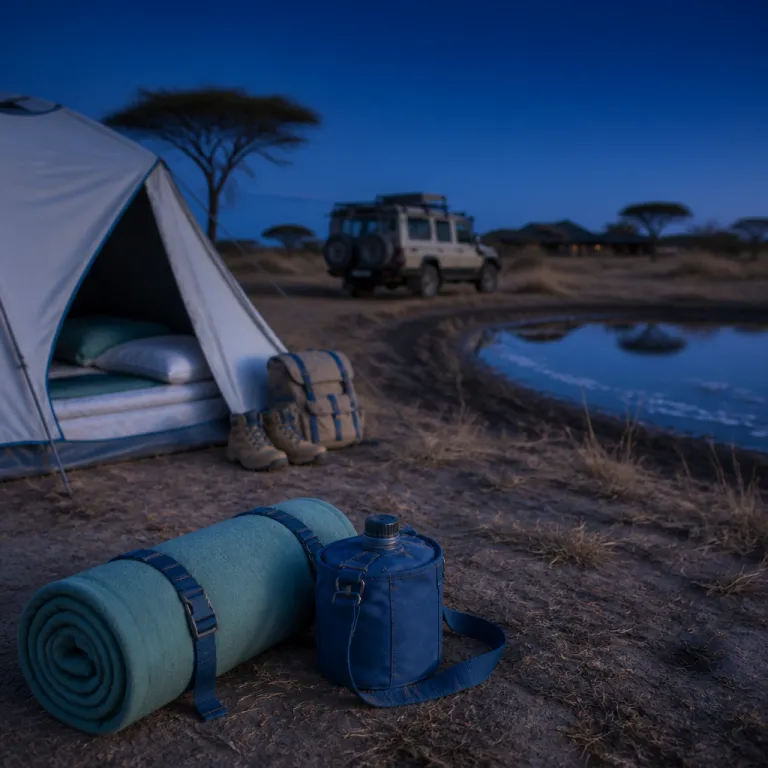
Fly camping is the activity that separates a standard tanzania safari from a genuinely immersive safari experience, yet it is often poorly explained on lodge websites. In practice, fly camping means sleeping in a lightweight camp set up just for your family, usually a short drive or walk from the main lodge, with simple tents, bucket showers and a private campfire. It typically costs an additional 200 to 500 dollars per person, so you should understand exactly what your chosen safari lodges in Tanzania provide before committing.
For families with older children, a fly camp in Ruaha National Park or the quieter corners of the Selous can be the highlight of a longer african safari. You arrive in the late afternoon after a game drive, watch the sky change colour over a dry riverbed or seasonal lake and fall asleep to hyena calls rather than generator hum. Lodge Surveys indicate that around 30 percent of guests choose fly camping when offered, which shows that it appeals strongly to adventurous families but is not obligatory for everyone.
Guided walks and full walking safaris tanzania are another area where the brochure language can be confusing. A guided walk from a safari lodge might be a gentle one hour stroll near camp, ideal for younger families who want to learn about tracks, insects and plants without confronting big game on foot. A true multi day walking safari tanzania, often offered in private concessions bordering the serengeti or in remote sections of Ruaha National Park, is a different proposition entirely, with armed guides, backup vehicles and a moving camp that follows your route.
Safety is a frequent concern for parents, and rightly so. The dataset from Local Wildlife Experts is clear on this point ; “Are guided walks safe? Yes, when led by experienced guides following safety protocols.” When you compare lodges tanzania on mytanzaniastay.com or through specialist operators such as Ndovu Safari, Discover Tanzania or Kongoni Safari, look for detailed explanations of guide qualifications, maximum group sizes and whether children join separate family friendly walks, because these details matter more than whether the brochure uses the word adventure or expedition.
For families who want a structured overview of where walking and fly camping fit into a broader itinerary, this curated guide to the best hotels for safari in Tanzania is a useful starting point. It helps you see how a night in a fly camp near Lake Manyara, a walking focused stay in Ruaha National Park and a more classic game drive lodge in Serengeti National Park can combine into one coherent family safari. Used well, fly camping and walking turn a list of safari lodge activities Tanzania into a layered journey rather than a string of disconnected outings.
Balloon flights, cultural visits and spa time: choosing the right extras
Hot air balloon flights over the serengeti are the most photographed of all safari lodge activities Tanzania, yet they are also among the most misunderstood. A licensed air balloon safari in Serengeti National Park usually costs between 500 and 600 dollars per person, which makes it a serious investment for a family of four or five. The reward is a dawn ascent over the plains, a bird’s eye view of the great wildebeest migration in season and a champagne breakfast on the ground, but you should be clear about what this experience can and cannot deliver.
From the basket of a hot air balloon, you see the serengeti as a living map rather than a close up wildlife encounter. Herds of game form patterns on the grasslands, rivers carve silver lines through the park and you may spot predators as small moving dots rather than detailed portraits. For many families, especially those travelling during the peak of the wildebeest migration, this wide angle view is worth the cost, but if your children are nervous with heights or your budget is tight, you might prefer to invest in a private vehicle for game drives instead.
Cultural visits are another area where the quality of safari lodge activities Tanzania varies widely. Increasingly, the most responsible lodges and camps partner with community cooperatives rather than running visits entirely through external tour operators, which means more of your fee stays in the village. When you evaluate options near Lake Manyara, Ngorongoro Crater or the fringes of the serengeti, ask whether visits are capped in size, whether families can spend time in homes or schools rather than only at dance performances and how the community sets its own agenda.
For premium families, the best family friendly itineraries balance high energy activities with downtime. A morning of cultural visits near a national park, an afternoon by the pool with a view of the lake and perhaps a gentle guided walk at sunset can be more rewarding than stacking a hot air balloon flight, a long game drive and a village visit into one exhausting day. If spa time matters to your family, consider pairing activity heavy lodges tanzania with a property from this guide to the best luxury spa hotels in Tanzania, so that parents can decompress after several intense days in the bush.
How to read an activity list: practical booking strategies for families
When you scroll through safari lodge activities Tanzania on a booking site, it is tempting to assume that more always means better. In reality, a shorter, clearly explained list of activities, led by experienced Lodge Guides and Local Wildlife Experts, often delivers a richer safari experience for families. The most reliable lodges tanzania describe not only what they offer but where, when and with whom, which allows you to build realistic days rather than fantasy itineraries.
Start by separating core activities from paid extras. Game drives in a national park such as Serengeti National Park, Lake Manyara National Park or Ruaha National Park are usually included in the nightly rate, while hot air balloon flights, fly camping and some cultural visits carry additional charges. Ask your lodge or agent to outline which safari lodge activities Tanzania you should reserve before travel — typically balloon flights, private vehicles and limited space fly camps — and which you can decide on after you arrive, such as extra guided walks or a second cultural visit that your children request.
For premium families, private arrangements can transform a standard tanzania safari into the best family adventure. A private vehicle for game drives allows you to set your own pace, return early if younger children tire or linger at a waterhole when older ones are engrossed in watching game interactions. In parks such as the Selous or concessions bordering the serengeti, some safari lodges also offer private bush breakfasts, family only night drives and tailored children’s activities that turn the bush into an open air classroom rather than a passive wildlife show.
Finally, pay attention to how a lodge talks about conservation and community, because this shapes the feel of every activity. Properties that partner with local conservation groups and community cooperatives tend to frame game drives, walks and cultural visits as shared experiences rather than one way spectacles, which resonates strongly with thoughtful families. Eco tourism growth across tanzania means you can now choose lodges and camps where your family safari supports both wildlife and people, turning each outing into more than a tick on an activity list.
FAQ
What is a night drive on safari in Tanzania ?
A night drive on safari in Tanzania is a guided game drive conducted after dark, usually lasting around two hours and operated in open 4x4 vehicles with a spotlight. It is designed to reveal nocturnal wildlife such as leopard, bush babies and other species that are rarely active during daytime game drives. Night drives are only allowed in certain areas, including private concessions, Nyerere National Park in the former Selous and some parts of Ruaha National Park, not inside Serengeti National Park or the core of Ngorongoro Crater.
What is fly camping and is it suitable for families ?
Fly camping is an overnight stay in a lightweight, portable camp set up away from the main lodge, usually with simple tents, bucket showers and a private campfire. It suits adventurous families with older children who are comfortable with a more rustic experience, closer to the sounds and rhythms of the bush. Because it typically costs an additional 200 to 500 dollars per person, families should confirm comfort levels, safety protocols and age limits with the lodge before booking.
How often do lodges offer guided walks in Tanzania ?
Many safari lodges in Tanzania offer guided walks several times per week, often in the cooler morning hours when tracks and animal activity are easiest to interpret. Lodge Schedules indicate that some properties schedule up to five guided walks weekly, though participation is always optional. These walks range from gentle family friendly strolls near camp to more demanding walking safaris in remote areas, so parents should clarify distance, terrain and minimum age requirements.
Are guided walks on safari safe for children ?
Guided walks on safari are considered safe when led by experienced, properly trained guides who follow strict safety protocols and operate in suitable terrain. Many lodges either set a minimum age for walks that approach big game or offer separate, shorter nature walks for younger children within a safer radius of the camp. Parents should always ask about guide qualifications, group size and whether an armed ranger accompanies walks in areas with potentially dangerous wildlife.
Which activities should I book in advance for a family safari in Tanzania ?
Families should book limited capacity activities such as hot air balloon flights in the serengeti, fly camping nights and private vehicles for game drives well before travel, especially during peak migration periods. Standard shared game drives, many guided walks and some cultural visits can usually be arranged after arrival, once you have a feel for your children’s energy levels and interests. When in doubt, reserve the high value, high demand experiences early and leave flexible space in your itinerary for spontaneous activities that your family discovers on site.