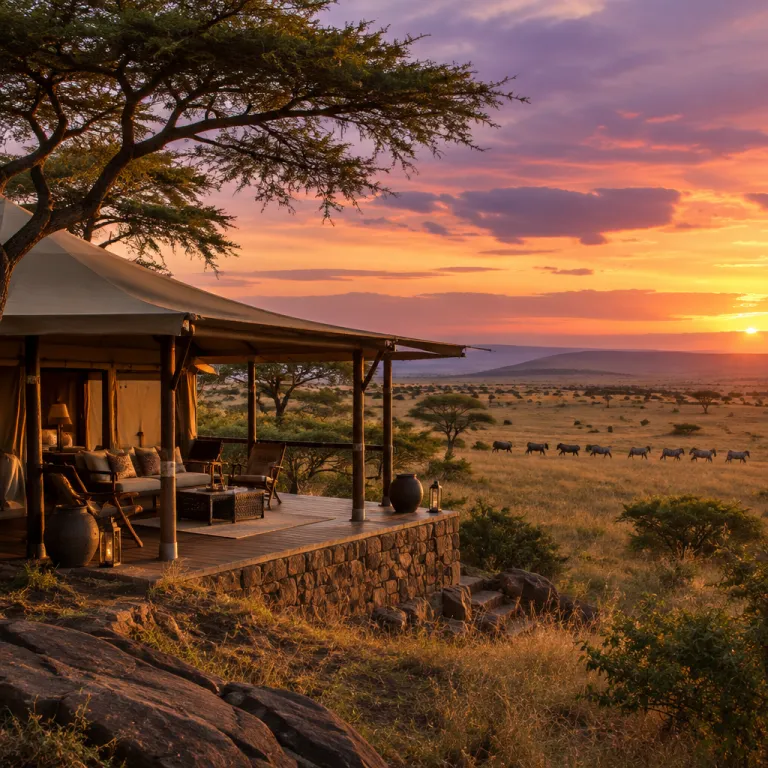
Why a northern Tanzania safari pairs so well with luxury stays
A northern Tanzania safari places you at the heart of Africa’s most celebrated wildlife landscapes. The northern circuit of parks offers a rare combination of high wildlife density, easy logistics from Arusha, and a refined network of luxury and premium lodges that suit discerning travellers. For guests who value comfort, privacy, and service as much as sightings, this region in Tanzania delivers a seamless blend of wilderness and indulgence.
When you plan safaris in northern Tanzania, you move through a chain of legendary national parks where each park has its own character and ideal lodge style. Serengeti, Ngorongoro, Tarangire, and Lake Manyara form a compact circuit that can be explored in five to seven day itineraries, with each day revealing different habitats, from crater lake rims to acacia plains and baobab valleys. This northern circuit is especially attractive for travellers who want to visit Tanzania once and experience both the Big Five and the Great Migration without sacrificing premium accommodation standards.
Luxury travellers often compare a safari in Tanzania with options in the southern circuit or other African countries, and the northern parks usually win for first time visitors. The combination of the Serengeti Ngorongoro corridor, the dramatic Ngorongoro Crater, and the elephant rich Tarangire National Park means that a single safari Tanzania journey can include predators, huge herds, and cultural encounters with Maasai communities. Because the infrastructure is mature, a high end tour operator can secure exclusive tented camp stays, mid range lodges with strong value, and private vehicles that match the expectations of guests used to five star city hotels.
Choosing your base: Arusha to crater rim lodges on a northern Tanzania safari
Most northern Tanzania safaris begin in Arusha, the small city that serves as the gateway to the northern circuit of national parks. From Arusha, your tour operator will usually route you first to Lake Manyara or Tarangire, allowing you to adjust to the pace of safari before you continue to the Serengeti or the Ngorongoro Crater. This progression keeps transfer times reasonable each day while steadily increasing the sense of wilderness and drama.
Lake Manyara National Park works beautifully as a gentle start to a Tanzania safari, especially for travellers arriving from long haul flights. Here, the lake and groundwater forest create a cool microclimate, and premium lodges near Lake Manyara offer spa treatments, wine cellars, and elevated decks for bird watching between game drives. Many guests choose to visit Lake Manyara in the low season, when the park is quieter and the lake levels can attract large flocks of flamingos and pelicans close to shore.
Tarangire National Park, sometimes called the quiet gem of northern Tanzania, is particularly rewarding in the high season dry months when wildlife concentrates along the Tarangire River. Luxury lodges and tented camp properties inside or near Tarangire National Park provide sweeping views over baobab studded plains, and they are well placed for guests who want to see one of Tanzania’s largest elephant populations. If you are considering a green season escape with softer rates and fewer vehicles, this detailed guide to the quiet green value window in October and November explains why the shoulder months can be ideal for a more tranquil safari Tanzania experience.
Serengeti splendor: where to stay for the Great Migration and beyond
The Serengeti is the centrepiece of almost every northern Tanzania safari, and your choice of lodge or tented camp here shapes the entire journey. In the central Serengeti, permanent lodges and premium tented camp options offer reliable access to wildlife year round, making this area a strong choice if your travel dates are fixed. Many travellers pair central Serengeti stays with time in the northern or southern sectors, following the Great Migration herds as they move through the ecosystem.
During the high season months when the Great Migration pushes towards the Mara River, luxury mobile camps in northern Serengeti provide front row access to dramatic crossings. A specialist tour operator will often recommend a combination of two or three nights in central Serengeti and several nights in a migration focused camp, balancing reliable resident game with the spectacle of wildebeest herds on the move. For guests who want a deeper dive into this style of travel, the story of following the Serengeti migration in style at Olakira Camp illustrates how a well positioned tented camp can elevate both comfort and wildlife access.
In the low season, when rains transform the plains into lush grasslands, mid range and high end properties in the southern Serengeti come into their own. This is the time when hundreds of thousands of wildebeest calves are born, and predators concentrate in the area, creating intense game viewing with fewer vehicles than in the northern circuit during peak months. Whether you stay in a classic lodge or a more intimate tented camp, a carefully planned Serengeti itinerary will ensure that each day offers varied sightings, from Big Five encounters to cheetahs scanning the horizon from termite mounds.
Ngorongoro crater stays: more than a view on a northern Tanzania safari
The Ngorongoro Crater is one of the most iconic features of northern Tanzania, and the choice between crater rim lodges and nearby highland retreats is central to any luxury focused itinerary. Staying on the rim of the Ngorongoro Crater allows you to descend into the caldera early in the day, often reaching the crater floor before most vehicles arrive from more distant accommodations. This timing advantage is crucial for guests who want quieter sightings of lions, black rhinoceros, and large herds of buffalo grazing near the crater lake.
Some travellers prefer lodges set slightly away from the rim, trading immediate access for more space, gardens, and a gentler climate. These properties often feature fireplaces, fine dining, and curated wine lists, creating a refined atmosphere after a day of game drives in the Ngorongoro Conservation Area. For travellers comparing options, this curated guide to Ngorongoro Crater safari stays for travellers who want more than a view outlines how different lodges balance scenery, access, and privacy.
Many itineraries combine a night or two at the Ngorongoro Crater with time in nearby coffee estates, giving guests a softer landing between intense days in the Serengeti and Tarangire. A skilled tour operator will sequence these stays so that transfers remain comfortable while each park feels distinct, from the enclosed drama of the crater to the open plains of the Serengeti Ngorongoro corridor. When you visit Tanzania with a focus on both wildlife and wellness, this mix of crater rim drama and highland calm can be one of the most memorable parts of your safari Tanzania journey.
Designing your itinerary: circuits, seasons, and style of stay
Planning a northern Tanzania safari involves more than choosing a single lodge or park ; it requires a thoughtful circuit that matches your travel style, budget, and preferred season. The classic northern circuit links Arusha, Lake Manyara, Ngorongoro Crater, and the Serengeti, with Tarangire National Park often added for guests who have at least seven day itineraries. Some travellers also compare this route with the southern circuit, which includes parks like Ruaha and Nyerere, but for a first time Tanzania safari the northern parks usually provide more predictable wildlife density and smoother logistics.
Seasonality plays a major role in both pricing and experience, especially for luxury and mid range properties. High season, typically aligned with the long dry months, brings clearer visibility, easier driving conditions, and higher rates, particularly in central Serengeti and along the Mara River. Low season and shoulder months, by contrast, offer softer pricing, greener landscapes, and fewer vehicles, which can be appealing for guests who value tranquillity and do not mind occasional showers during their safaris.
Your choice between a permanent lodge and a tented camp will influence the feel of each night on safari. Lodges often provide more substantial structures, larger pools, and spa facilities, while tented camp properties immerse you more directly in the sounds and scents of the bush without sacrificing comfort. A knowledgeable tour operator will help you balance these options across different national parks so that each stay feels fresh, whether you are waking to the calls of lions in the Serengeti or watching elephants move below your deck in Tarangire National Park.
Practical booking advice for premium and mid range safari stays
Securing the right properties for a northern Tanzania safari requires early planning, especially for high season dates in the most sought after parks. For peak periods around the Great Migration in northern Serengeti and for limited capacity crater rim lodges at Ngorongoro, booking at least four to six months ahead is strongly recommended. This lead time gives your chosen tour operator the best chance to confirm preferred room categories, private vehicles, and specialist guides.
When comparing luxury and mid range options, look beyond star ratings and focus on location within each national park, guide quality, and vehicle policies. Some lodges in the Serengeti Ngorongoro corridor, for example, include shared game drives, while others offer private vehicles as standard, which can dramatically change your experience on a busy day. Ask how many guests each vehicle carries, whether guides are silver or gold level qualified, and how the property supports conservation initiatives in Tanzania’s national parks.
Packing and preparation also shape the comfort of your safari Tanzania journey. Bring layered clothing for cool early mornings and warmer afternoons, along with insect repellent, sun protection, and binoculars to make the most of sightings in every park you visit. As one expert summary notes, “Five to seven days gives solid coverage of core parks.”, and building in a buffer day or two allows your itinerary to adapt if you decide to linger longer in a favourite lodge or follow a sudden shift in the Great Migration herds.
Key figures that shape a northern Tanzania safari
- Northern Tanzania’s long dry season typically spans about five months from June to October, creating prime conditions for game viewing in national parks such as Serengeti, Tarangire, and Lake Manyara during this extended window.
- During the southern Serengeti calving period, an estimated 500 000 wildebeest calves are born over a few weeks, turning the plains into one of the most intense predator prey theatres on the continent.
- Tarangire National Park holds the second largest elephant population among Tanzania’s northern parks, making it a standout destination for travellers who prioritise close yet respectful elephant encounters.
- Peak traveller demand in the northern circuit often coincides with Mara River crossings, when vehicle numbers rise and conservation authorities respond with stricter limits on how many vehicles may approach each sighting.
- Many specialists recommend at least five to seven days for a meaningful circuit through Serengeti, Ngorongoro Crater, Tarangire, and Lake Manyara, which balances transfer times with unhurried game viewing.
FAQ about luxury and premium stays on a northern Tanzania safari
How many days should I plan for a northern Tanzania safari with luxury lodges ?
For a balanced itinerary that includes Serengeti, Ngorongoro Crater, and at least one additional park such as Tarangire or Lake Manyara, plan a minimum of five to seven days on safari. This duration allows two or three nights in the Serengeti, one or two nights at the Ngorongoro Crater, and one or two nights in a contrasting park without feeling rushed. Travellers with ten days or more can add extra time in central Serengeti or explore both the northern circuit and a taste of the southern circuit.
Is the dry season always the best time for a luxury Tanzania safari ?
The dry season offers excellent visibility, easier road conditions, and concentrated wildlife around water sources, which many guests appreciate. However, green season months bring lush scenery, fewer vehicles, and often better value at both luxury and mid range lodges, especially in parks like Tarangire and Lake Manyara. If your priority is the Great Migration river crossings in northern Serengeti, then the core dry months remain the most reliable period, but for photography and tranquillity the low season can be equally rewarding.
Which parks are essential for a first time northern Tanzania safari ?
For a first visit Tanzania itinerary focused on wildlife and comfort, the core combination is Serengeti National Park, the Ngorongoro Crater, and either Tarangire National Park or Lake Manyara National Park. Serengeti delivers year round predator action and, at the right time, the Great Migration, while the Ngorongoro Crater offers a compact, high density wildlife experience in a unique volcanic setting. Tarangire and Lake Manyara add contrasting landscapes and species, from baobab forests and elephants to groundwater forests and tree climbing lions.
Should I choose a lodge or a tented camp for a premium experience ?
Both lodges and tented camp properties can deliver premium comfort on a northern Tanzania safari, but they offer different atmospheres. Lodges tend to feature more permanent structures, larger common areas, and sometimes facilities such as spas and larger pools, which some guests prefer after long travel days. High end tented camp stays, especially in the Serengeti and Tarangire, immerse you more directly in the sounds of the bush while still providing fine dining, high thread count linens, and attentive service.
How far in advance should I book luxury lodges in Serengeti and Ngorongoro ?
For peak periods in central Serengeti, northern Serengeti, and crater rim properties at Ngorongoro, aim to confirm your bookings at least four to six months before travel. This is especially important if you want specific room categories, interconnecting suites, or private vehicles for your safaris. Shoulder and low season dates can sometimes be secured closer to departure, but premium properties in the most desirable locations still fill quickly when the Great Migration or school holiday periods align.
References
- Tanzania National Parks Authority (TANAPA)
- Ngorongoro Conservation Area Authority
- UNESCO World Heritage Centre – Serengeti National Park and Ngorongoro Conservation Area entries