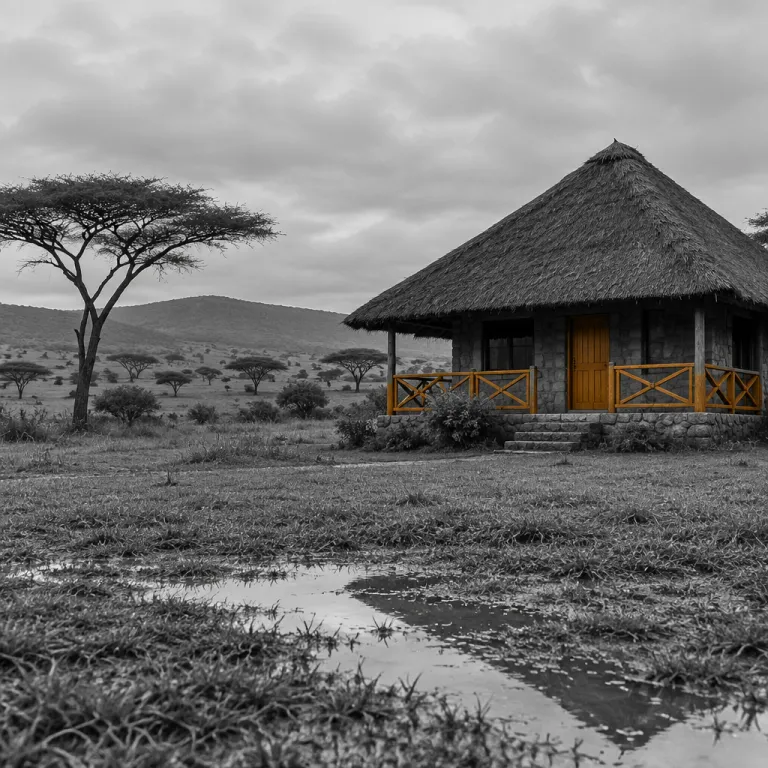
Reading the green season in Tanzania’s Serengeti
By early October, northern Tanzania shifts from the stark dry season into a softer, green season that luxury travelers often overlook. This is the subtle pivot when short rains begin to brush the plains, turning the Serengeti from dust toned to fresh green while the air cools and the light becomes more dramatic. For a solo explorer planning a Tanzania safari, this is the best time to trade peak crowds for space, silence and sharper wildlife viewing.
The short rains in this month usually arrive as brief afternoon showers, not all day washouts that derail a safari or your time in camp. You watch clouds build over the Serengeti National Park, feel a twenty minute downpour sweep across the savannah, then see the sky clear to reveal a great sweep of pastel light and a newly washed landscape. Guides across Kenya Tanzania circuits quietly agree that this shoulder season delivers some of the best wildlife viewing, precisely because the green grass, cooler air and fewer vehicles change the rhythm of every game drive.
For the wildebeest migration, October is a transitional time, yet it still offers a great migration story if you choose your area well. In a typical dry season pattern, many herds linger in the northern Serengeti near the Mara River, then respond to the first serious rains by drifting south, so your time visit needs to be flexible. This is where a specialist platform like mytanzaniastay.com matters, because we track which luxury camps are closest to current river crossings, which lodges handle the long rains and short rains best, and which properties quietly close once the dry season ends.
Serengeti splendor in October and November: where the green season works hardest
In the northern Serengeti, October can still feel like a late peak for river drama, with the great wildebeest herds testing the banks and staging sudden river crossings on the Mara River. The grass is shorter after the long dry season, so wildlife viewing remains excellent, yet the first green shoots appear after the early rains and soften the light for photographers. If you want the great migration without the crush of July peak season vehicles, this is often the best time to visit Tanzania for a quieter, more dramatic experience.
By November, the story begins to tilt toward the southern Serengeti and the greater Ndutu area, where the green season builds toward the calving season that follows the heaviest rains. You may not yet see the full wildebeest migration spread across the plains, but you feel the anticipation as zebra, gazelle and predators track the first serious storms and the land turns a deeper green. For a solo traveler, this is a rewarding time visit because luxury camps have more availability, staff have time to share longer stories about east Africa ecology, and you can sit by the fire without the noise of peak month crowds.
Some remote camps in western Tanzania, including those in Katavi National Park, close once the long rains threaten, so this is not the best time for every frontier style adventure. If you are tempted by emptier parks and dramatic dry riverbeds, read our guide on what it takes to reach Tanzania’s emptiest great park before you lock in dates. For most travelers focused on Serengeti National Park, though, the October and November green season window balances lingering dry season clarity with the first flush of green, making it a smart, value led choice.
Weather, wildlife and where to stay: honest trade offs of the green shoulder
Understanding the weather pattern is essential if you are weighing a Tanzania October November green season safari against a classic July peak trip. The short rains usually fall as localized storms, so one valley in the Serengeti can be drenched while a nearby ridge stays dry, and your guide will read the clouds to keep drives comfortable. Roads can soften after heavier rains, especially away from the main tracks in Serengeti National Park, so this is not the best time for self drive, but it is ideal for guided luxury camps that know every river crossing and black cotton soil patch.
Wildlife behavior also shifts as the dry season breaks, and that is where the green season becomes quietly great for serious wildlife viewing. Predators remain active because the wildebeest migration and resident game still concentrate near remaining water and along the river systems, yet the first green grass draws herds into more open areas that make sightings cleaner. Birding improves dramatically in this month, with migrants arriving from across east Africa, and the combination of dramatic skies, fresh green backdrops and fewer vehicles makes every time visit feel more personal.
On the accommodation side, some ultra remote camps in the northern Serengeti close once the long rains loom, while others pivot to follow the great wildebeest herds toward the southern Serengeti plains. This is why choosing the best month to visit Tanzania for Serengeti splendor is less about a fixed calendar and more about matching your dates to the migration’s likely position. Our detailed guide on choosing the best month to visit Tanzania for Serengeti splendor and luxury stays breaks down how the great migration, the dry season and the green season interact, so you can align your camp choices with the Mara River, the southern plains or the central kopjes.
Pairing an autumn safari with the coast and booking like an insider
One of the most elegant ways to use this season is to pair a Serengeti green season safari with time on the Swahili coast or Zanzibar. While the interior shifts from dry season dust to a richer green, the coast often sits between heavier long rains and the stickier months, giving you warm seas and fewer crowds. If you are coming from a northern hemisphere autumn, this October and November window in Tanzania feels like a private summer, especially when you end your trip with a few nights in a quiet, design forward beach retreat.
For solo travelers, the green season also unlocks better value at many premium lodges, because rates soften once the July to September peak has passed. You can often secure longer stays, upgraded rooms or private vehicles at a lower overall cost, provided you ask the right questions about cancellation terms, road access after heavy rains and how closely the camp tracks the wildebeest migration. When you plan to visit Tanzania at this time, prioritize properties that remain open throughout the green season, have strong track records in both dry season and wet months, and can pivot game drives between the northern Serengeti, central valleys and southern Serengeti plains as the herds move.
Think of your itinerary as a river, not a rigid line, flowing from a dramatic Mara River or Grumeti River crossing zone to a softer coastal finish where you can recover in comfort after long game drives. Our guide to where to recover in comfort once you are down from Kilimanjaro offers the same logic for post trek stays, and the principle holds for post safari decompression. Whether you are tracking the great migration in Kenya Tanzania borderlands or focusing purely on a Tanzania safari circuit, the October and November green season gives you the best time visit balance between drama, value and breathing room.
FAQ
Is October a good time to visit Tanzania for a Serengeti safari ?
October is an excellent time to visit Tanzania if you want a Serengeti safari with fewer vehicles and a mix of dry season clarity and early green season color. In many years, the great migration still lingers in the northern Serengeti near the Mara River, so you may see dramatic river crossings without the July peak crowds. You also benefit from cooler temperatures, softer light and more flexible availability at luxury camps.
What kind of rain should I expect in the October November green season ?
During the October November green season, the Serengeti and much of northern Tanzania usually experience short, localized showers rather than continuous rain. Storms often build in the afternoon, deliver a sharp burst of rain, then clear to reveal dramatic skies and fresh green grass. Roads can become slippery in places, but experienced guides and well positioned camps manage these conditions comfortably.
Will I still see the great migration in November ?
You can often see parts of the great migration in November, but the herds are more dispersed as they respond to new green grazing. Some wildebeest may still be in the northern Serengeti, while others start moving toward the southern Serengeti and Ndutu area. Choosing a camp that can adjust game drive routes to follow the herds is more important than locking into a single fixed location.
Are green season rates really lower at luxury lodges ?
Many luxury and premium lodges in Tanzania reduce their rates once the July to September peak dry season ends. In the October November green season, you often find better value, more availability and occasional long stay offers, especially for solo travelers. Always confirm what is included, how the lodge handles weather disruptions and whether migration focused activities are still practical at that time.
Which areas should I avoid in Tanzania during the short rains ?
Some very remote parks and camps, particularly in western Tanzania, become harder to access once the short rains intensify and the long rains approach. Certain black cotton soil areas can turn challenging, and a few camps close entirely until the next dry season. If you prefer smoother logistics, focus on the Serengeti National Park core, Ngorongoro region and well serviced coastal areas during this shoulder season.