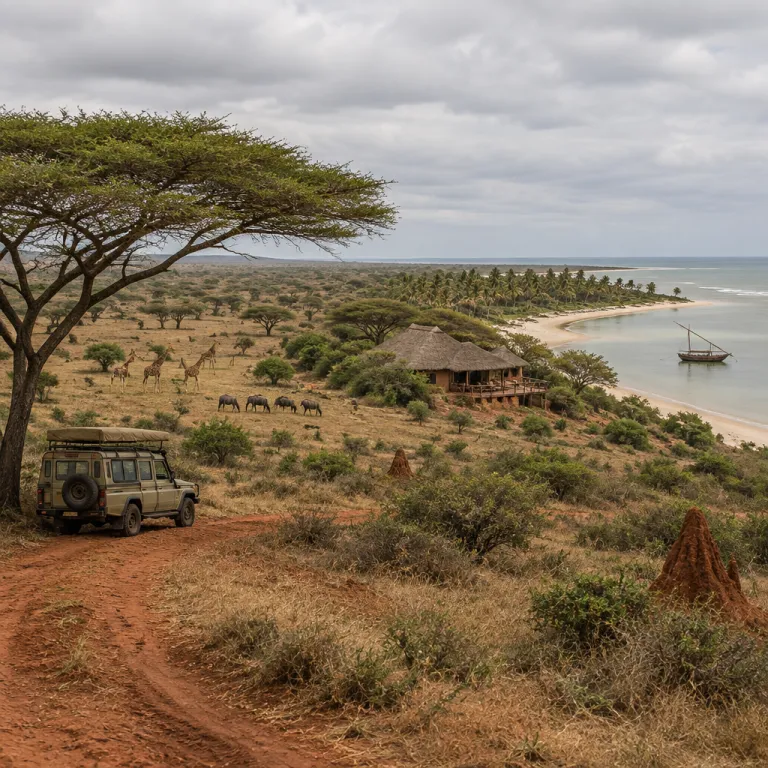
The core logic of a bush and beach Tanzania itinerary
A refined bush and beach Tanzania itinerary starts with geography, not romance. The way the northern safari circuit links to Zanzibar by air will quietly dictate how many days you spend in each park and how rested you feel when your toes finally touch the sand. Think of the trip as one continuous line rather than separate safari and beach holidays stitched together at the last minute.
Most couples begin their Tanzania safari in Arusha, then move through Tarangire National Park, the Ngorongoro Crater and the Serengeti National Park before flying to Zanzibar. This routing keeps transfers short on any given day, lets you build up the wildlife drama gradually, and makes it easy to end with a direct bush beach hop from a Serengeti airstrip to the island. When safari companies talk about a classic safari Tanzania circuit, this is usually what they mean, even if the exact number of days varies.
For a mid length trip, plan eight to ten days in the bush and four to six on the beach. That balance gives you time for slow game drives in each national park Tanzania offers on the route, while still leaving enough days for a genuinely restorative Zanzibar stay. A well designed safari itinerary will always protect your last full day in the bush from long road transfers, so you arrive on the coast in time for a late swim rather than a late check in.
How many nights in each park for a seamless flow
Routing a bush and beach Tanzania itinerary is really about resisting the urge to cram in every park. Two nights in Tarangire National Park, one night on the Ngorongoro Crater rim and three or four nights split across two Serengeti camps usually feel like the best compromise between variety and rest. That still leaves enough days for a Zanzibar finale that feels like a reward, not a rushed add on.
In Tarangire National, a two night stay gives you one full day to settle into the rhythm of elephant herds and baobab forests. The game viewing here peaks in the dry season, when wildlife concentrates along the river and the park Tanzania landscape feels almost sculptural in the late light. If you are travelling in the green season, you might shorten Tarangire and add an extra night to the Serengeti instead, where the grasslands are at their most cinematic.
One night at the Ngorongoro Crater works if you arrive by mid afternoon, sleep on the rim and drop into the crater floor at first light for a concentrated game drive. Couples who prefer a slower pace often stretch this to two nights, using the extra day for walks on the highland slopes or a cultural visit en route. For detailed packing guidance that matches this pacing, many travellers now rely on a dedicated guide to what to wear on safari in Tanzania for a refined, comfortable stay, which helps keep luggage light across multiple flights.
Avoiding the airport day trap between bush and beach
The biggest threat to an elegant bush and beach Tanzania itinerary is the wasted airport day. This is the day that vanishes to a long drive out of the bush, a layover in Arusha and a late evening arrival in Zanzibar, leaving you tired and slightly resentful of the logistics. The goal is to replace that with a bush beach transition that feels like part of the holiday, not a commute.
The simplest fix is to end your Tanzania safari in the Serengeti National rather than backtracking to the crater or Arusha. From the central or northern Serengeti, you can usually fly directly to Zanzibar in the late morning or early afternoon, turning a potential ten hour slog into a three to four hour sequence of game drive, airstrip and island arrival. Many safari companies now build this into their standard safari Tanzania routing, but you still need to check the exact flight timings for your travel dates.
If a direct flight is not available on your chosen day, consider a one night stop in Arusha rather than a long same day connection. A well chosen lodge near the small airport can turn a forced pause into a quiet interlude, especially for a couple sharing the trip as a once in a lifetime celebration. While planning, it is also worth reading a clear guide on tipping at Tanzanian lodges, so you can budget per person sharing without last minute confusion at the airstrip.
Choosing the right island finish for your safari style
Not every bush and beach Tanzania itinerary needs to end in Zanzibar, even if the name has become shorthand for the whole coast. The island works beautifully for couples who want a mix of relaxed beach days, a little nightlife and the cultural texture of Stone Town. If you prefer quieter sands or serious diving, Pemba or Mafia may suit your Tanzania safari finale better.
Zanzibar’s north and northeast coasts offer long beaches, polished resorts and easy access from the airport, which suits travellers arriving after a full safari itinerary in the Serengeti and Ngorongoro Crater. You can spend your first afternoon simply walking the beach, then fold in a day exploring Stone Town’s alleys and rooftop bars once you have caught up on sleep. For many couples, three to five days here feels like the best time frame, long enough to unwind but short enough that the bush memories stay vivid.
Pemba and Mafia are more remote, with fewer flights and a quieter, more elemental feel that appeals to divers and travellers who value solitude. A person sharing a trip that focuses on the great migration in the Mara River region might appreciate Mafia’s whale shark season as a contrasting marine spectacle. Whatever island you choose, make sure your final day includes at least a half day at leisure before your international flight, so the last impression of Tanzania is a swim or a slow lunch, not a rushed transfer.
Timing your bush beach pairing to the seasons
The best bush and beach Tanzania itinerary for you will depend heavily on the time of year you travel. In the northern parks, the dry season brings thinner grass, easier wildlife viewing and the drama of the wildebeest migration crossing the Mara River. On the coast, that same period can mean hotter, drier beach days with clearer water for snorkelling.
From roughly June to October, the Serengeti National Park and neighbouring Maasai Mara region host the most famous phase of the great migration. If you are aiming for river crossings, you will want your Tanzania safari days to fall in the northern Serengeti, then fly to Zanzibar or Pemba once you have had your fill of game drives. This is also when safari companies are busiest, so booking early matters, especially for couples seeking smaller camps with strong guiding.
The calving season in the southern Serengeti, typically around the early part of the year, offers a different kind of spectacle, with thousands of wildebeest spread across the short grass plains. During this time year, the bush feels lush and green, and predators are highly active, which can be intense but unforgettable. On the coast, you will need to watch for the long rains and the monsoon patterns that affect some Zanzibar beaches more than others, so always check how your exact travel days align with both bush and beach weather.
Stone Town, stopovers and when a night earns its place
A thoughtful bush and beach Tanzania itinerary treats every extra night as an investment that must earn its keep. Stone Town is the classic example, a place that can feel either like a richly textured finale or an unnecessary detour, depending on how you time it. For many couples, one night in the old quarter at the end of the trip strikes the right balance.
If your flight from the Serengeti arrives in Zanzibar by mid afternoon, you can head straight to the beach and save Stone Town for the final night before departure. That way, you enjoy uninterrupted beach days, then finish with a last evening of rooftop cocktails and Swahili flavours before your flight. A person sharing this kind of trip often appreciates the contrast between the quiet of the bush and the urban energy of the town, especially after several days of wildlife immersion.
Stopover towns on the mainland, such as Arusha or even smaller hubs near park Tanzania gateways, should be used sparingly. Choose them when they clearly reduce a long transfer or protect you from a risky same day connection, not just because they appear on a map between two national parks. If you are curious about more unusual pauses between game drives, it is worth reading about the thermal and healing experiences inside Tanzania’s national parks, which can add a quietly restorative layer to a busy safari itinerary.
Matching camps, pace and budget to a couple’s expectations
For couples planning a bush and beach Tanzania itinerary, the style of camp matters as much as the routing. A light mobile camp in the Serengeti during the wildebeest migration feels very different from a permanent lodge near the Ngorongoro Crater, even if both promise excellent game viewing. Being honest about how much comfort you want after a long day in the vehicle will shape the rest of the trip.
On a Tanzania safari that moves every two nights, unpacking fatigue can creep in, especially when each game drive starts at dawn and ends with a late dinner. Many travellers now prefer a mix of three night stays in key areas, such as the central Serengeti and the Mara River region, with shorter stops elsewhere. This slower rhythm leaves more time for poolside hours, spa treatments or simply watching wildlife from your deck, which can be as rewarding as a formal game drive.
Budget wise, most luxury itineraries are priced per person sharing, with the highest nightly rates in the peak dry season when demand for safari Tanzania experiences is strongest. If you are flexible on time year, travelling in the shoulder months can reduce costs without sacrificing wildlife, especially in parks like Tarangire National where elephant densities remain high. Whatever you choose, the most successful trips are those where the bush and the beach feel like two chapters of the same story, carefully paced and thoughtfully linked by the flights and nights in between.
Key figures for planning a bush and beach Tanzania trip
- Typical northern circuit safaris that include Tarangire, Ngorongoro Crater and the Serengeti run for 6 to 10 nights, which pairs well with 3 to 5 nights on Zanzibar for a balanced bush beach holiday, according to leading East African tour operators.
- The Serengeti and Maasai Mara ecosystem hosts an estimated 1.3 to 1.5 million wildebeest during the great migration, making it one of the largest overland wildlife movements on the planet, as reported by conservation organisations working in the region.
- Non stop or one stop flights from the Serengeti to Zanzibar usually take between 2.5 and 4 hours door to door, compared with 8 to 10 hours if you route via long road transfers and indirect connections through Arusha.
- Many luxury lodges in Tanzania price their stays on a per person sharing basis, with peak season nightly rates often 20 to 40 percent higher than shoulder season, based on published tariff comparisons from specialist safari companies.
- Average daytime temperatures on Zanzibar’s coast typically range from 25 to 30 degrees Celsius, while the Ngorongoro Crater rim can drop below 10 degrees Celsius at night, which is why layered packing is essential for a combined safari and beach itinerary.
FAQ about routing a Tanzania safari into a Zanzibar finish
How many days do I need for a Tanzania safari and Zanzibar beach trip ?
For most couples, 10 to 14 days works well for a combined Tanzania safari and Zanzibar beach holiday. That usually means 6 to 9 nights split between Tarangire, the Ngorongoro Crater and the Serengeti, followed by 4 to 5 nights on the coast. Shorter trips are possible, but you will need to limit the number of parks to avoid feeling rushed.
Is it better to visit the beach before or after the safari ?
Ending with the beach almost always feels more satisfying on a bush and beach Tanzania itinerary. The early starts and long game drives of a safari are exhilarating but tiring, so a few quiet days on Zanzibar or Pemba give you time to rest and reflect. Starting with the coast can work if flight schedules demand it, but the narrative arc is less compelling.
Which is the best time of year for a Serengeti safari and Zanzibar ?
The dry season from roughly June to October offers the most reliable wildlife viewing in the Serengeti and comfortable conditions on Zanzibar’s beaches. If you want to see the great migration near the Mara River, aim for the mid to late dry months, though exact timings vary each year. The green season around the calving period can be spectacular too, but you will need to plan carefully around rain on the coast.
Do I need to fly between the Serengeti and Zanzibar, or can I drive ?
Flying between the Serengeti and Zanzibar is strongly recommended, because driving would take well over a day and involve multiple road and ferry segments. Scheduled bush flights link key Serengeti airstrips with Arusha and onward connections to the island, turning a potential ordeal into a manageable travel day. The cost is higher than driving, but the time saved and comfort gained are significant.
How many parks should I include in my first Tanzania safari ?
For a first time Tanzania safari, three main areas are usually enough when you also plan a Zanzibar finish. A classic combination is Tarangire National Park, the Ngorongoro Crater and the Serengeti, each offering distinct landscapes and wildlife. Adding more parks can dilute your time in each place and increase travel fatigue, especially on a mid length trip.