Where chagga culture and Kilimanjaro’s slopes shape everyday life
The first view of the mountain from the plane window feels cinematic. Yet the real story of chagga culture on Kilimanjaro’s lower slopes begins far below the ice, where the soil is black, the banana leaves are glossy and the rhythm of life is quietly precise. Here, the chagga people have shaped a distinct farming culture that turns the mountain into a lived landscape rather than just a summit to tick off.
This ethnic group settled on the fertile slopes of mount kilimanjaro centuries ago, building irrigation channels that still feed banana and coffee terraces in the kilimanjaro region. Traditional chagga homesteads once clustered around a central courtyard, with cattle, family shrines and chagga caves dug into the earth as both refuge and food stores, and echoes of that layout still guide how modern homes and small lodges sit within the community. When you stay in a luxury property that respects chagga culture, you feel the mountain as a place of generations chagga rather than a backdrop for selfies.
Most climbers arrive focused on the kilimanjaro climb and the summit kilimanjaro statistics, but the chagga communities living along the marangu machame approaches experience the mountain as a neighbour. Their guides, porters and mountain crew walk the same paths for work that their grandparents walked for church, markets and school, and that continuity gives the region a grounded calm. Choosing a premium stay that works closely with chagga guides and local families lets you experience this balance between high altitude ambition and valley floor culture in a single day.
Staying on the mountain: luxury bases that feel genuinely local
For many travellers, moshi marangu is simply a staging post between the airport and the national park gate. Treated differently, this small town and the surrounding slopes can become the most memorable part of your time with chagga culture on kilimanjaro, especially if you choose a hotel that understands both comfort and context. The best properties act as a bridge between international expectations and the slower, more relational pace of chagga life.
Look for a luxury lodge or premium guesthouse that sits on the mountain rather than on the highway, ideally within walking distance of a village where chagga people still tend banana gardens and small coffee plots. Rooms should frame views of mount kilimanjaro, but the real luxury is often in the details : a manager who grew up in the kilimanjaro region, a kitchen that cooks traditional chagga food alongside lighter international plates and a concierge who knows which chagga communities welcome respectful visits. When a property lists its own chagga guides by name and introduces you to the mountain crew over coffee, you know the relationship with the community is more than marketing.
If your itinerary includes a tanzania safari or a coastal leg, treat moshi marangu as more than a transfer point and choose a stopover that adds depth. A smart way to plan the logistics is to pair a slope side stay with one of the hotels highlighted in this guide to turning travel days into part of the trip, so your journey between the mountain and the plains feels seamless. That way, your time among chagga culture, coffee farms and caves becomes a deliberate chapter in your travels rather than a rushed overnight between flights.
Coffee, banana gardens and the quiet architecture of chagga farms
On Kilimanjaro’s lower slopes, the landscape is layered vertically : tall shade trees, a canopy of banana plants, then coffee bushes and vegetables close to the ground. This agroforestry system is the physical expression of chagga culture kilimanjaro, where every square metre of the mountain is asked to support both family and community. Walking through these gardens with a farmer or one of the chagga guides reveals how deeply the mountain and this culture are intertwined.
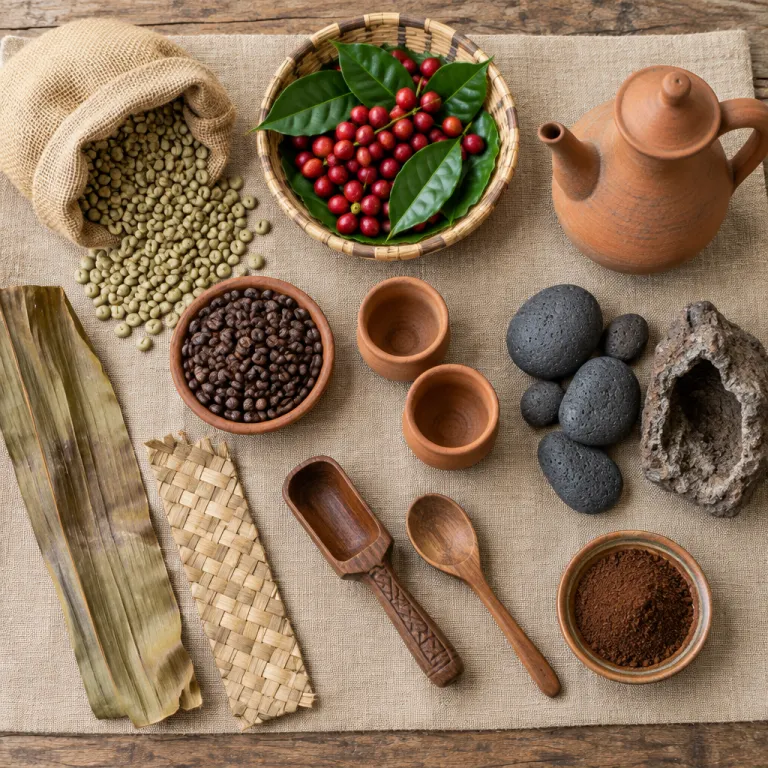
Many luxury lodges now arrange culture coffee experiences that go beyond a quick tasting and into the full journey from cherry to cup. A thoughtful tour will start in a smallholder plot, where you see how generations chagga have balanced banana and coffee to manage shade, soil and water, then continue to a family compound where beans are pulped, dried and roasted over an open fire. When the host pours you a cup, often alongside seasonal food and perhaps a glass of homemade banana beer, you taste not only the mountain but also the patience of the people who work its slopes every day.
Choose properties that cap group sizes on these tours and pay farmers directly, rather than folding everything into a generic activity fee. Some of the most rewarding stays are at intimate lodges highlighted in this overview of luxury lodges near Kilimanjaro, where managers can arrange private visits to chagga communities they know personally. In these settings, the kilimanjaro climb becomes just one thread in a wider tapestry of mountain life, and your time on the farm feels as considered as any summit attempt.
Caves, waterfalls and home kitchens: reading the mountain beyond the climb
Spend a full day on the mountain without chasing altitude and you start to read its history differently. The chagga caves hidden beneath the banana roots tell stories of conflict and resilience, while the waterfalls tumbling off the upper slopes speak to the water systems that still sustain chagga communities. These experiences turn chagga culture kilimanjaro into something you feel underfoot and on your skin, not just a phrase in a guidebook.
Several villages near moshi marangu have preserved networks of chagga caves that once sheltered families and livestock during raids, and a good local guide will walk you through the tunnels with both care and context. Combine this with a hike to a waterfall used for ritual bathing or seasonal ceremonies, and you begin to understand how the mountain shapes spiritual as well as practical life for the chagga people. Many premium hotels now curate such tours with their own chagga guides, pairing the excursions with home cooked meals where traditional chagga dishes, banana based stews and even a taste of banana beer are served at a family table.
Ask your hotel how it selects guides and which families host lunches, and listen for specifics rather than vague references to “the village”. Properties that rotate visits between households, publish clear rates and encourage you to learn a few Swahili greetings tend to be more respectful of the community. When the mountain crew who will support your climbing kilimanjaro attempt also share stories over dinner about chagga culture and their own family plots on the slopes, the line between tours and everyday life blurs in the best possible way.
Pairing summit ambitions with slow stays and safari days
For many travellers, the headline is still the kilimanjaro climb and the promise of standing on Africa’s highest summit. Yet the most rewarding itineraries weave that ascent into a wider journey that includes time with chagga culture kilimanjaro, a tanzania safari on the plains and perhaps a few coastal days on the Swahili coast. Thinking in arcs rather than isolated activities helps you choose hotels that support both comfort and connection.
One elegant pattern is to spend two nights on the lower slopes before climbing kilimanjaro, using the time to walk through banana gardens, visit chagga caves and share meals with local families, then return to the same lodge after your summit kilimanjaro attempt for a slower debrief. From there, you can fly onwards to the Serengeti or Tarangire, where the choice of camp matters as much as the game viewing, and this detailed guide to choosing a camp for a hot air balloon safari shows how property style shapes the whole experience. Linking mountain, plains and coast through a consistent standard of thoughtful hospitality keeps the narrative of your trip coherent.
When comparing itineraries, pay attention to how many nights are allocated to the kilimanjaro region and whether your hotel partners with chagga communities in a transparent way. Ask who owns the property, how guides are trained and whether the mountain crew receive fair wages and proper equipment for the climb. The more your money supports the people whose life is rooted in the mountain, the more meaningful your own time on its slopes will feel.
FAQ
Is it worth staying on Kilimanjaro’s lower slopes if I am not climbing ?
Yes, staying on the lower slopes of mount kilimanjaro is rewarding even if you never set foot on a trail to the summit. You can explore chagga culture through coffee farm visits, walks to waterfalls, tours of chagga caves and shared meals with local families. Many luxury lodges in the kilimanjaro region now design stays specifically for travellers interested in culture, food and landscape rather than the physical challenge of a kilimanjaro climb.
How can I tell if a cultural tour is genuine and respectful ?
A genuine experience usually involves small groups, clear pricing and direct engagement with chagga people whose names and roles are explained to you. Ask your hotel how it chooses chagga guides, how often it rotates visits between households and what proportion of the fee goes to the host community. If the answers are specific and transparent, and if the pace allows for real conversation rather than staged performances, you are likely supporting traditional chagga life in a positive way.
What kind of food will I eat when staying with chagga families ?
Meals in chagga homes often centre on banana based dishes, seasonal vegetables and hearty stews, sometimes accompanied by locally brewed banana beer for those who wish to try it. Many hosts also serve coffee grown on their own plots, giving you a direct taste of culture coffee from the mountain’s slopes. Luxury properties can usually accommodate dietary requirements while still introducing you to the flavours that define everyday life for chagga communities.
Can I combine a Kilimanjaro stay with a Tanzania safari and beach time ?
Combining the kilimanjaro region with a tanzania safari and a coastal stay works very well logistically. Many travellers spend a few days among chagga culture before or after climbing kilimanjaro, then fly to parks such as the Serengeti or Ngorongoro, and finish with time on the Swahili coast or Zanzibar. Choosing hotels and camps that share a similar standard of service and community engagement keeps the whole journey feeling cohesive.
What should I look for in a luxury hotel near Kilimanjaro ?
Prioritise properties that are located on the mountain slopes rather than on busy roads, with clear views of mount kilimanjaro and easy access to nearby villages. A strong sign of quality is a team that includes local staff in senior roles, established relationships with chagga communities and in house chagga guides who can arrange tailored tours. When a hotel invests in its mountain crew, pays fair wages and integrates cultural experiences thoughtfully, your stay will feel both indulgent and grounded.