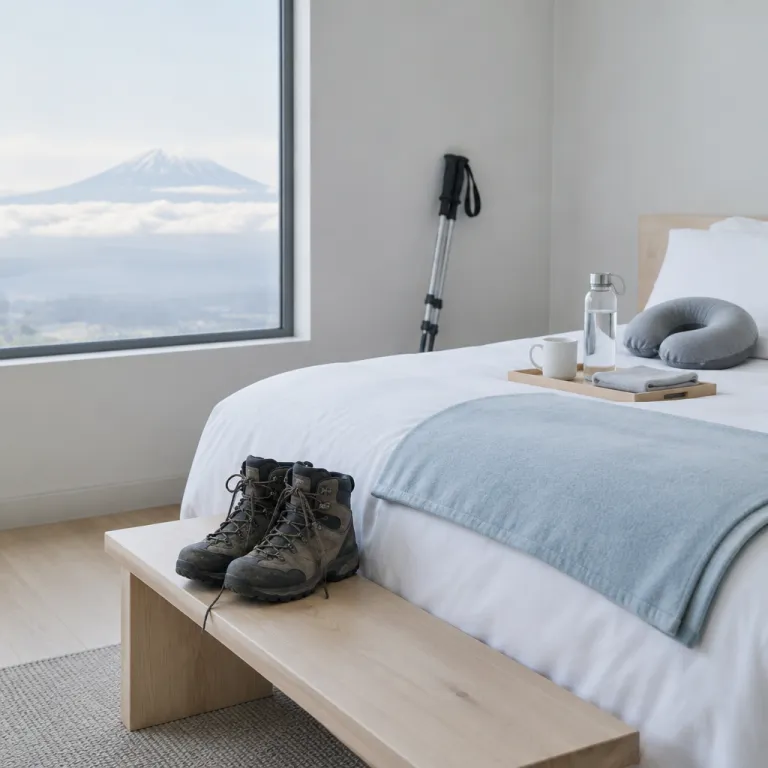
Why your Kilimanjaro post climb hotel is part of the journey
The moment you step off Mount Kilimanjaro, the real fatigue hits. Your body has pushed through several days of climbing, thin air near the summit, and a relentless descent that can punish knees and hips. A carefully chosen Kilimanjaro post climb hotel turns those first hours back at low altitude into a controlled, restorative landing rather than a chaotic crash.
Most climbers focus obsessively on the climb itself, the chosen route, and gear lists, while the post climb phase gets reduced to a vague “hotel in Moshi or Arusha will do.” Yet the difference between basic accommodation and thoughtfully designed Kilimanjaro hotels is stark when you arrive dust covered, dehydrated, and running on adrenaline. The right hotel or lodge gives you quiet rooms, reliable hot water, and staff who understand that climbers move slowly and need space, not small talk.
Think of your Kilimanjaro climb as a three act story, with pre climb preparation, the mountain ascent, and the descent followed by deliberate climb recovery. Your Kilimanjaro post climb hotel is the setting for that final act, where your body recalibrates from the summit high and your mind processes what climbing Kilimanjaro actually meant. Choose well and those first recovery days in Tanzania become as memorable as the moment you touched the sign on the mountaintop.
Moshi versus Arusha: choosing your post climb base
Most routes on Mount Kilimanjaro funnel you down toward either Moshi or Arusha, and each base shapes your post climb experience differently. Moshi sits closer to the mountain and feels like an extension of the climb, with hotels in Moshi used to muddy boots, late arrivals, and Kilimanjaro group celebrations. Arusha, by contrast, positions you for onward safari and national park itineraries, with larger hotels and smoother airport transfers to Kilimanjaro International Airport.
If you finish the Machame route, Lemosho route, or Marangu route, your tour operator will usually suggest a hotel in Moshi first, because the drive from the gate is short and your legs will thank you. Many mid range and luxury hotels Moshi side offer leafy gardens, a swimming pool, and shaded terraces where climbers can stretch, nap, and quietly relive the summit push. These Moshi hotels keep menus simple but comforting, with early breakfasts for those heading straight to the airport and late dinners for teams drifting in after a long day on the mountain.
Arusha works better if your Kilimanjaro climb is just the opening chapter of a longer Tanzania journey that includes a safari in Tarangire or the Serengeti. Several luxury lodges near Kilimanjaro double as refined bases for both climbing and wildlife, and you can explore a curated selection of these in this guide to premium lodges with Kilimanjaro views. In Arusha, you trade immediate proximity to the mountain for more polished spas, larger rooms, and easier connections to national park airstrips the following day.
What to look for in a true climb recovery hotel
After climbing Kilimanjaro, the checklist for a Kilimanjaro post climb hotel is very specific, and it goes far beyond a soft bed. First, you need consistent hot water, because long showers and baths are not a luxury after a multi day climb, they are basic therapy for cold muscles. Second, you want rooms with proper mattresses, blackout curtains, and quiet corridors, so your first full day off the mountain becomes a genuine sleep reset.
Look for hotels and lodges that explicitly mention climbers in their descriptions, because that usually signals flexible meal times, late check in policies, and staff who will not blink when you arrive with dusty duffels. A good hotel Moshi or Arusha property will offer same day laundry, gear storage, and airport transfers that can be shifted if your summit schedule changes by a day. Many of the better mid range and luxury Kilimanjaro hotels also feature a swimming pool, which doubles as low impact hydrotherapy for tired legs and a social hub for your Kilimanjaro group once everyone has showered.
Location matters as much as amenities, especially when your tour operator collects you straight from the park gate. Properties closer to the main roads toward Mount Kilimanjaro National Park reduce transfer times, which is crucial when you have already spent hours descending the mountain. If you are shuttling between Dar es Salaam and Arusha before or after the climb, it is worth studying refined stopover options such as the hotels highlighted in this guide to turning Dar–Arusha travel days into part of the trip, so every segment of your route supports recovery rather than draining it.
Wellness, spa rituals, and the art of slowing down
On the mountain, every day is structured around movement, altitude gain, and the next camp, but once you are down, the smartest climbers treat wellness as part of the itinerary. A Kilimanjaro post climb hotel with a small spa, massage room, or even a simple sauna can dramatically accelerate climb recovery. Gentle sports massages help flush lactic acid from calves and quads, while warm compresses and hot water soaks ease the stiffness that often appears 24 hours after the summit.
Do not underestimate the psychological side of recovery either, because the emotional drop after a big summit can be as sharp as the physical one. A lodge with quiet gardens, shaded verandas, and views back toward Mount Kilimanjaro gives you space to process the climb, whether you reached the summit or turned back earlier on the route. Many climbers find that a slow day with good coffee, unhurried meals, and no schedule is the moment when the whole climbing Kilimanjaro experience finally settles into memory.
Some travelers pair their Kilimanjaro climb with a short coastal or city interlude, using a refined urban hotel as a second stage of recovery. If you are routing through Dar es Salaam before flying home, it is worth consulting a curated pipeline of luxury stays such as the properties featured in this overview of refined hotels in Dar es Salaam. That way, your journey flows from mountain lodge to Kilimanjaro post climb hotel to coastal or city comfort, with each step designed to help your body and mind recalibrate.
Sequencing Kilimanjaro, safari, and the rest of Tanzania
Many travelers planning to climb Kilimanjaro also dream of a safari in Tanzania, and the order of these experiences matters more than most people expect. The most effective sequence is usually pre climb rest, the mountain itself, a dedicated post climb hotel stay, and then a safari or coastal extension. This pattern allows your body to recover from the summit before you tackle long game drive days in the national park network or humid afternoons on the Swahili coast.
Starting with a safari and then moving straight into a Kilimanjaro climb can work, but it often leaves climbers arriving at the trailhead already tired from early morning drives and long transfers. A better strategy is to use a calm lodge near Arusha or Moshi for one or two pre climb nights, then return to a familiar hotel after the descent for your post climb decompression. Once you have had at least one full day of rest, you can head out toward Tarangire, Ngorongoro, or the Serengeti with more energy and less risk of minor injuries lingering from the mountain.
For those with limited time, even a single night in a well chosen Kilimanjaro post climb hotel can make a noticeable difference to how you feel on the flight home. Prioritize properties that understand the logistics of climbing Kilimanjaro, from early breakfast service to flexible airport transfers that can adapt if your summit day shifts. When your tour operator, your lodge, and your wider Tanzania itinerary are aligned, the whole journey feels like one coherent route rather than a series of disconnected bookings.
Booking strategy: flexibility, routes, and reading the fine print
Securing the right Kilimanjaro post climb hotel is not just about choosing a pretty property; it is about building flexibility into a trip where the mountain always has the final word. Weather, group pace, and individual health can all shift your summit by a day, especially on longer itineraries such as the Lemosho route. When you book, look for hotels and lodges that allow date changes without punitive fees, and confirm that your tour operator can adjust airport transfers and in country connections accordingly.
Your chosen route up Mount Kilimanjaro also influences where you should sleep afterward, because each trail exits the mountain at a different gate. Climbers descending the Machame route or Lemosho route often find Moshi more convenient, while those finishing the Marangu route may prefer a lodge positioned between Moshi and Arusha to balance drive times. If you are traveling as part of a larger Kilimanjaro group, ask whether the hotel can allocate rooms close together, because sharing stories from the climb over dinner or by the swimming pool is part of the experience.
Finally, pay attention to the small but crucial details that separate a generic hotel from a property genuinely geared toward climbing Kilimanjaro guests. Does the hotel offer late kitchen hours for teams arriving after dark, and can they handle special diets that may have been restricted on the mountain ? Will they store extra luggage during your climb and have it waiting in your room when you return, so you can step straight into clean clothes and a hot shower ? Those are the touches that turn a simple bed into a true climb recovery base, and they are worth every minute you spend reading the fine print before you book.
Key figures for Kilimanjaro climbs and recovery stays
- Roughly 35 000 to 50 000 people attempt to climb Kilimanjaro each year, according to Kilimanjaro National Park authorities, which means post climb accommodation in Moshi and Arusha can book out months in advance during peak seasons.
- Success rates for reaching the summit vary by route, with longer itineraries such as the Lemosho route often reporting summit success rates above 80 %, while shorter routes can see rates closer to 60 %, influencing how many days of recovery climbers typically need afterward.
- Average guided climbs on Mount Kilimanjaro last between six and eight days, and many mountain medicine specialists recommend at least one full rest day at low altitude for every three to four days spent above 3 000 m.
- Travel industry surveys of Tanzania itineraries indicate that more than half of Kilimanjaro climbers add at least a two night safari extension, making the choice of a Kilimanjaro post climb hotel near key road links and airstrips strategically important.
- Studies on high altitude trekking suggest that quality sleep and rehydration in the first 24 to 48 hours after descent significantly reduce lingering symptoms of altitude exposure, underscoring the value of quiet rooms and reliable hot water in post climb hotels.
FAQ: Kilimanjaro post climb hotels and recovery
How many nights should I stay in a Kilimanjaro post climb hotel ?
Most climbers benefit from at least one full night in a Kilimanjaro post climb hotel, with two nights ideal if your schedule allows. One night lets you shower, sleep deeply, and reorganize gear before onward travel. A second night gives your body more time to recover from the summit push and long descent.
Is Moshi or Arusha better for post climb accommodation ?
Moshi is closer to many Kilimanjaro routes and feels more connected to the mountain, which makes it convenient for immediate rest after the climb. Arusha works better if you are heading straight into a safari, because it offers easier access to several national parks and domestic airstrips. Your choice should follow your route off the mountain and your next destination in Tanzania.
What facilities matter most in a post climb hotel ?
The essentials are reliable hot water, comfortable beds, quiet rooms, and flexible meal times that match unpredictable descent schedules. Laundry service, luggage storage, and adaptable airport transfers are also very helpful after climbing Kilimanjaro. Extras such as a swimming pool, spa, or massage room can significantly improve climb recovery but should come after the basics are confirmed.
Can I go on safari immediately after my Kilimanjaro climb ?
You can, but it is usually better to schedule at least one night in a Kilimanjaro post climb hotel before starting a safari. Game drives involve long hours sitting in vehicles on rough roads, which can be uncomfortable when your legs are still sore from the mountain. A short recovery stay in Moshi or Arusha helps you enjoy the national park experience more fully.
Should I book my post climb hotel before I know my exact summit day ?
Yes, you should book in advance, but choose hotels and lodges with flexible date change policies. Kilimanjaro weather, group pace, or minor altitude issues can shift your summit by a day, especially on routes like Lemosho or Machame. Confirm with both your tour operator and your hotel that airport transfers and check in dates can be adjusted if your schedule changes slightly.