Katavi national park camps at the far edge of Tanzania’s safari map
Katavi sits in western Tanzania, a national park that feels almost forgotten. The park is part of a huge protected area where the miombo woodland opens onto floodplains, and the sense of space defines every safari experience. This is where katavi national park camps quietly serve serious safari goers who value silence over spa menus.
Reaching this wild corner of Africa takes commitment, because park Katavi lies far from the usual northern circuit and its busy game drives. Most travellers fly from Dar es Salaam or Arusha on small aircraft, skimming over seasonal lakes and endless bush before dropping onto a dusty airstrip in the heart of park Tanzania. That flight shapes who you meet in camp Katavi ; the guests tend to be repeat visitors to Africa, people who already know the Serengeti and now want a deeper safari experience.
The reward is a national park where you can drive for hours and see more wildlife than vehicles. In the dry season, when water sources shrink back to the Katuma River and its associated channels, the game viewing becomes intense and almost theatrical. Katavi wildlife gathers in astonishing densities, and katavi national park camps sit quietly on the fringes, offering front row seats without disturbing the wild rhythm.
The dry season drama: hippos, crocodiles and serious game viewing
Katavi comes into its own during the long dry season, when the floodplains bake and the last water sources pull everything towards the Katuma River. Hippos cram into shrinking pools, crocodiles stack themselves in muddy caves, and the air feels heavy with the smell of Africa in its rawest form. For guests in katavi national park camps, this is not a manicured safari ; it is an immersion in an African ecosystem under pressure, where every game drive reveals another survival story.
Huge buffalo herds move across the open area, kicking up dust that hangs over the park like smoke. Lions trail them patiently, and the best wildlife camp locations sit where these movements intersect, so you can watch the drama from your canvas verandah before heading out on more formal game drives. Compared with the more choreographed experiences around an elegant tented retreat such as Oliver’s Camp in Tarangire, Katavi feels stripped back, with camps designed to keep you close to the action rather than insulated from it.
As the season tightens, game viewing becomes almost effortless because everything must drink somewhere. You might spend an afternoon parked beside a bend in the Katuma River, watching elephants, zebra and antelope file down in wary lines while crocodiles slide between them. The wild energy of this national park is what keeps katavi national park camps firmly on the wish list of travellers who care less about marble bathrooms and more about feeling part of a living African story.
Walking safaris, fly camping and the quiet luxury of space
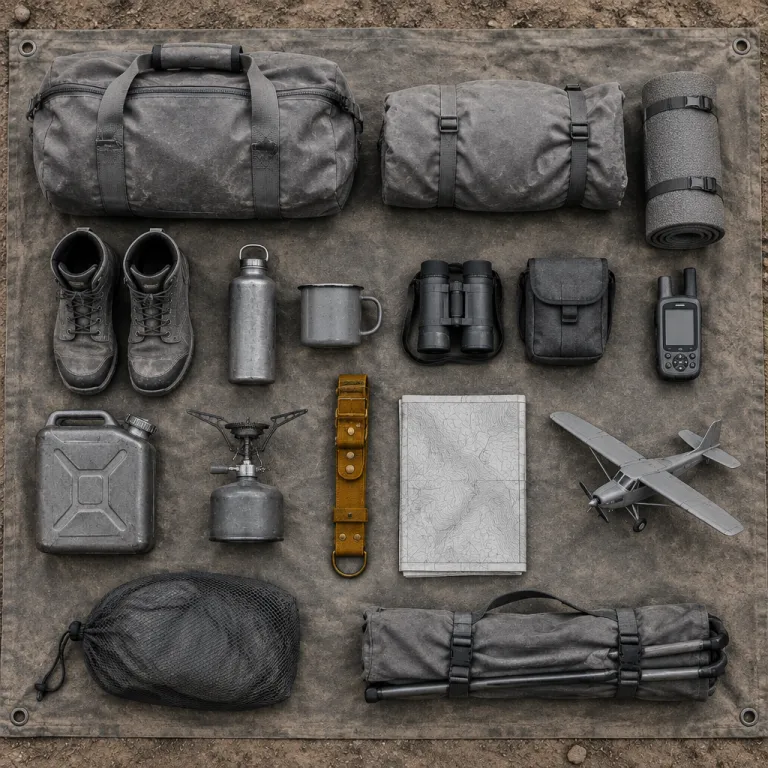
The real luxury in Katavi is not thread count ; it is the ability to step out into a wild landscape with almost no one else around. Many katavi national park camps are small, tented operations where the camp offers classic game drives but also walking safaris and occasional fly camping for guests who want to sleep under a sky thick with stars. This style of camping is carefully guided, with lightweight tents or mosquito nets set up in a remote area, and a support crew handling the logistics so you can focus on the sounds of the African night.
Walking in this national park changes your relationship with wildlife, because every track and tamarind tree suddenly matters. Guides in camp Katavi read the ground like a book, explaining how katavi wildlife moves between seasonal lakes, water sources and the Katuma River as the dry season advances. Compared with more structured walking experiences in places such as the serene tented elegance of Oliver’s Camp in Tarangire National Park, Katavi’s walking safaris feel more remote, with a stronger sense that you are a guest in a vast, functioning ecosystem.
Fly camping is usually offered as a one night add on from a main wildlife camp, reached after an afternoon of walking or gentle game viewing. You might leave one of the core katavi national park camps after tea, walk along the edge of a floodplain, then arrive at a tiny fly camp as the light fades over this part of Tanzania Katavi. The simplicity is deliberate ; a small fire, a good meal, and the knowledge that only canvas separates you from one of Africa’s least disturbed national parks.
How to reach Katavi and pair it with Mahale’s chimps
Getting to park Katavi is part of the story, and you should be honest with yourself about the effort. Most travellers fly in on scheduled light aircraft from Dar es Salaam, Arusha or sometimes Ruaha, touching down on gravel strips that serve both Katavi and the remote Mahale Mountains on Lake Tanganyika. These flights are not cheap, but they filter the crowd, so katavi national park camps remain quiet even in peak season.
A classic western Tanzania safari links this national park with Mahale, where you trade game drives for boat rides and chimpanzee tracking in dense forest. You might spend four nights in a wildlife camp beside the Katuma River, then fly west to a beach camp where the focus shifts from katavi wildlife to primate encounters and lake swims. The contrast between the open, sunburned area of park Tanzania and the green, humid slopes of Mahale is dramatic, and it turns a single safari experience into a layered African journey.
Because access is by air, luggage limits are strict and you need to pack with camping style efficiency, even if the camps themselves feel indulgent. Speak with your chosen camp Katavi about recommended routing, because some operators can coordinate shared charter flights that link national park airstrips more smoothly. When you look at the total cost, remember that your park fees and conservation levies directly support this wild corner of Tanzania ; for a deeper explanation of how that works across the country, read this guide to the conservation levy on Tanzanian hotel and camp bills.
Choosing the right Katavi camp for your style of safari
The handful of katavi national park camps share a similar philosophy, but the details matter when you are planning a trip from far away. Some focus on classic vehicle based safaris with long, unhurried game drives that work well if you prefer to stay in the vehicle and photograph wildlife from a comfortable seat. Others lean more heavily into walking safaris, fly camping and a slightly more adventurous camping aesthetic, which suits travellers who want to feel the dust on their boots.
Look closely at how each wildlife camp positions itself within the park, because location shapes your daily experience. A camp Katavi that sits close to the Katuma River will usually have stronger dry season game viewing, with animals concentrating around the remaining water sources and seasonal lakes. Camps further back in the woodland may feel more secluded, with a stronger sense of being wrapped in African forest, and they can work beautifully for guests who value quiet evenings and the sound of wind in the tamarind tree canopy.
For first time visitors to Tanzania, the remoteness of this national park can feel daunting, and in that case a more accessible park such as the Serengeti or Tarangire might be a better starting point. If you already know the rhythms of safari in Africa, though, katavi national park camps offer a deeper, more contemplative safari experience where the wild still sets the timetable. Think of park Katavi as a place to slow down, stay several nights in one camp, and let this corner of Tanzania Katavi reveal itself at its own pace.
FAQ
Who is Katavi best suited for as a safari destination ?
Katavi suits experienced safari travellers who have already visited more accessible parks and now want a wilder, quieter national park. The long flights and remote location make it ideal for people who value solitude, extended game drives and a more immersive camping style. If you prefer easy logistics, large hotels and a busy social scene, the northern circuit in Tanzania will probably fit you better.
When is the best season to visit Katavi national park camps ?
The prime time for katavi national park camps is the long dry season, when wildlife concentrates around the Katuma River and remaining water sources. During these months, game viewing is at its most dramatic, with large herds and predators visible on the open plains. The greener months can be beautiful but bring thicker vegetation, more scattered wildlife and sometimes reduced accessibility in certain area of the park.
How many days should I spend in Katavi for a meaningful safari experience ?
Plan at least three to four nights in one wildlife camp to feel the rhythm of the park. Travel time to this part of Tanzania is significant, so shorter stays rarely justify the effort and cost of the flights. With four nights, you can mix game drives, walking safaris and perhaps one night of fly camping without feeling rushed.
Can Katavi be combined with other parks in Tanzania on one trip ?
Yes, Katavi combines particularly well with the Mahale Mountains for chimpanzee tracking, creating a strong western Tanzania circuit. Some travellers also link park Katavi with Ruaha or the Serengeti using scheduled or charter flights, though routings vary by season. Work with a specialist who understands park Tanzania logistics, because flight schedules and minimum stay rules at camps can shape your itinerary.
Is Katavi too remote for a first safari in Africa ?
For some travellers, starting in such a wild and empty national park can feel overwhelming, especially if they are unsure how they will respond to long days in remote bush camps. Many people prefer to begin with a more established safari area, then return to Tanzania Katavi on a second trip once they know they enjoy the rhythm of safaris. If you are an independent traveller who already loves remote hiking or camping elsewhere, Katavi can still work as a first African destination, provided you accept the longer travel time and higher costs.