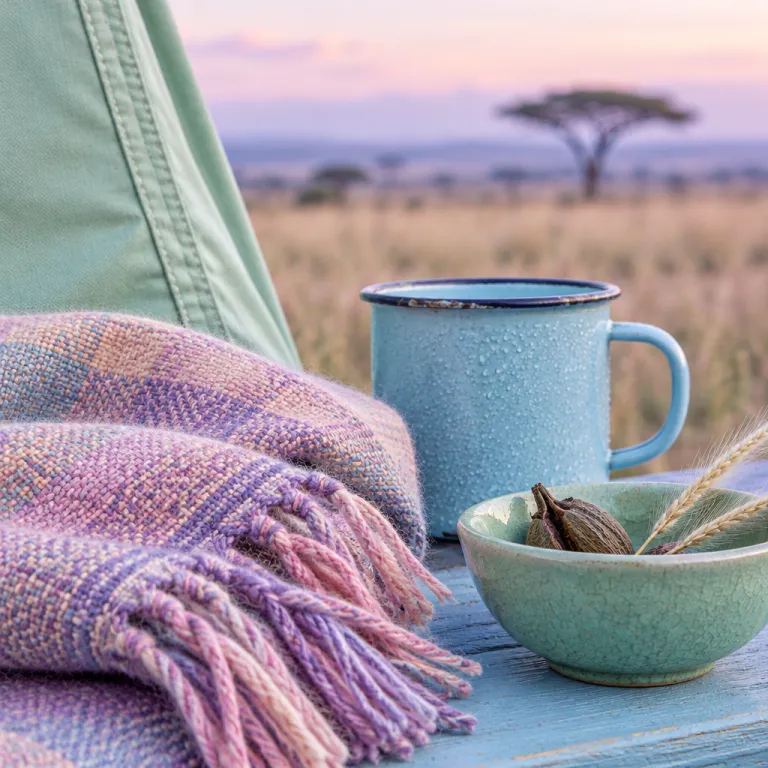
Olakira camp as a moving window on the Serengeti migration
Olakira camp is one of the rare tented retreats that physically moves with the Serengeti migration across northern Tanzania. This elegant safari camp shifts between the Ndutu area in the south and the northern Serengeti plains near the Mara River, aligning its tents with the wildebeest herds and the rhythm of each season. For travellers comparing a classic safari lodge with a more intimate tented camp, this mobile concept offers a front row seat to wildlife drama that feels both exclusive and deeply connected to the land.
From December to March, the camp settles near Ndutu, where the short grass plains attract wildebeest in their hundreds of thousands for calving and intense predator action. Later in the year, Olakira migration operations move towards the northern Serengeti and the Mara River corridor, where guests can witness river crossings and the full power of the Serengeti migration. This dual location strategy means your chosen time to visit can be tailored to the specific migration experience you want, whether that is newborn calves on the plains or heart stopping crossings in the north.
Each tent at this safari camp is designed to feel like a private suite, yet the canvas walls keep you close to the sounds of the African night. The tents open onto wide views of the plains, so you may watch wildlife from bed as the first hot light of dawn touches the grass. For travellers planning a luxury stay in Tanzania, the ability of this camp Serengeti experience to follow the wildebeest migration is a decisive advantage over a fixed lodge that might sit far from the action in a changing season.
Inside the tented elegance of Olakira camp
Step into an Olakira tent and you enter a world where classic safari romance meets contemporary comfort. The tented suites are spacious, with proper beds, fine linens, and thoughtful details that rival many permanent safari lodge rooms in the Serengeti. Canvas walls and mesh windows allow the breeze to move through, while solid flooring and well designed bathrooms ensure the camp feels luxurious rather than rustic.
Several tents feature a clever design where the bed can be rolled out under a mesh extension, creating a private hot air star bed experience on clear nights. From here, you can listen to wildlife moving across the plains, sometimes hearing wildebeest grunts or zebra calls as the Serengeti migration passes nearby. This blend of tented adventure and refined comfort is what sets Olakira camp apart from a more conventional lodge or large resort style property in Tanzania.
Guests usually dine in a central mess tent, yet private dinners can be arranged on the sand or grass when the weather is not too hot. The camp team can also organise early breakfasts before game drives, so you never miss prime wildlife viewing time at dawn or dusk. If you are comparing different luxury options such as Sayari on the Mara River, which you can explore in more depth through this guide to refined safari luxury on the Mara River, Olakira offers a more mobile, migration focused alternative that still delivers high end service and comfort.
Where Olakira camp fits among Serengeti safari lodges and camps
Travellers often ask how Olakira camp compares with other well known names such as Serena, Sopa Lodge, or Namiri Plains in the eastern Serengeti. The key difference is that Olakira is a tented camp that moves with the migration, while a safari lodge like Serena or Sopa Lodge is permanent and usually larger in scale. If you value a fixed structure with more facilities, a lodge may appeal, but if you want to be as close as possible to the wildebeest migration, a mobile safari camp like Olakira is usually the stronger choice.
In the eastern plains, Namiri Plains offers elevated safari stays in a remote big cat territory, and you can read more about these eastern Serengeti plains experiences in this detailed look at elevated safari stays in the eastern Serengeti. By contrast, Olakira focuses on the southern Ndutu plains and the northern Serengeti near the Mara River, following the herds rather than anchoring itself to one region. This means that your time to visit Olakira camp should be chosen according to where the migration is likely to be, while a lodge such as Namiri Plains is more about resident wildlife and dramatic open landscapes.
Other respected tented operations in the region include Serian Serengeti and Oliver Camp, each with its own style and loyal following. Serian Serengeti is known for private vehicles and a strong guiding ethos, while Oliver Camp in Tarangire offers a different national park experience focused on elephants and baobabs rather than the Serengeti migration. When you compare these options, Olakira migration operations stand out for their commitment to positioning the camp as close as practical to the wildebeest herds, giving guests a strong chance of seeing crossings, calving, or large predator interactions from a relatively small and intimate base.
Planning your stay: seasons, locations, and person per night rates
Choosing the right season for Olakira camp is essential, because the camp moves between Ndutu and the northern Serengeti to track the migration. From roughly December to March, the camp is usually in the Ndutu area, where the short grass plains provide ideal grazing for wildebeest and excellent conditions for calving. Later in the year, Olakira migration operations shift towards the northern Serengeti and the Mara River, where dramatic crossings and intense predator activity often occur.
Rates at this level of safari camp are typically quoted per person per night, and they vary by season, with peak migration periods in the northern Serengeti often commanding higher prices. When you compare person per night costs between Olakira camp, a larger lodge such as Serena, or another tented camp like a dedicated migration camp, remember to factor in the value of being close to the wildlife action. A well positioned camp Serengeti experience can reduce transfer times to key viewing areas and increase your chances of witnessing the wildebeest migration at dawn or dusk, when the light is soft and the air is still cool rather than hot.
Most guests combine Olakira with other regions of Tanzania, such as the Ngorongoro Crater or Tarangire National Park, to create a varied itinerary. Some travellers also add time at a coastal lodge on Zanzibar after intense game drives, using the bush and beach combination to balance adventure and relaxation. If you are planning a Kilimanjaro climb before your safari, you may find it helpful to review this guide on where to recover in comfort after the summit, then continue on to Olakira camp once you are rested and ready for the Serengeti.
Game drives, hot air experiences, and life along the rivers
Daily life at Olakira camp revolves around expertly guided game drives that explore the surrounding plains, river lines, and woodland pockets. In Ndutu, the focus is often on the open plains where wildebeest gather in vast numbers, while in the northern Serengeti the guides track wildlife along the Mara River and other smaller river systems. These varied habitats support not only the famous wildebeest migration but also lions, cheetahs, leopards, elephants, and an impressive range of birdlife.
Many guests choose to add a hot air balloon flight over the Serengeti, which usually departs at first light when the air is cool and the colours are soft. Floating above the plains, you can see the patterns of wildlife movement, the winding lines of each river, and the full sweep of the landscape that surrounds the camp. This perspective helps you understand how the Serengeti migration moves between the Grumeti area, the Mara River, and the southern plains, and why a mobile tented camp like Olakira is so well suited to following these seasonal shifts.
While Olakira camp itself does not sit directly on the Grumeti River, many itineraries combine it with a stay near the Grumeti region or with another safari lodge that overlooks a key waterway. Travellers sometimes pair Olakira with a property such as a Serena or Sopa Lodge in a different part of the national park, creating a multi camp journey that covers several ecosystems. This approach allows you to experience both the intimacy of a tented camp and the broader facilities of a larger lodge, while maximising your exposure to wildlife along rivers, plains, and woodland corridors.
How to book Olakira camp on a premium Tanzania platform
When booking Olakira camp through a luxury and premium hotel platform focused on Tanzania, pay attention to how clearly the site explains migration patterns and camp locations. A credible platform should specify whether your chosen dates place you in Ndutu or the northern Serengeti, and it should outline what kind of migration activity is likely during that season. Look for detailed descriptions of tents, game drives, and inclusions per person per night, rather than vague promises of wildlife and comfort.
A trustworthy booking site will also provide a clear email address and phone contact, so you can ask specific questions about the safari camp, the national park regulations, and any special requests you may have. If you are comparing Olakira with other options such as Serian Serengeti, Oliver Camp, or a more traditional safari lodge, an expert consultant should be able to explain the pros and cons of each in relation to your time to visit. For example, they might suggest combining a tented camp like Olakira with a stay at a lodge near the crater or a coastal retreat, balancing movement with rest.
Premium platforms that specialise in Tanzania often curate a selection of camps and lodges that work well together, such as pairing Olakira camp with a property near the Grumeti region or a stylish lodge on Zanzibar. They may also highlight special offers for longer stays, such as reduced person per night rates when you combine multiple camps under the same safari company. By using a site that understands the nuances of the Serengeti migration and the logistics of moving between Ndutu, the northern Serengeti, and other parks, you can secure an itinerary that feels seamless rather than rushed or fragmented.
Key statistics on Serengeti safaris and Olakira style trips
- The Serengeti ecosystem covers around 30 000 square kilometres, while Serengeti National Park itself spans about 14 750 square kilometres, providing vast space for mobile camps like Olakira to follow the migration (Tanzania National Parks Authority).
- The wildebeest migration involves approximately 1.3 to 1.5 million wildebeest, along with hundreds of thousands of zebras and gazelles, which explains why camps that move with the herds can dramatically increase wildlife viewing opportunities (Smithsonian National Museum of Natural History).
- Hot air balloon flights in the Serengeti typically last about one hour and often start before sunrise, with total excursion times of three to four hours including transfers and breakfast, making them easy to combine with regular game drives (various licensed balloon operators in Tanzania).
- Tourism contributes over 10 percent of Tanzania’s GDP, and wildlife tourism centred on national parks such as the Serengeti is a major component of this revenue, underlining the importance of well managed safari camps and lodges (World Travel & Tourism Council).
- Average occupancy rates in high end safari properties in northern Tanzania often exceed 70 percent during peak migration months, so booking Olakira camp and similar tented camps several months in advance is strongly recommended (regional tour operator booking data).
FAQ about Olakira camp and Serengeti luxury stays
What is the best time to visit Olakira camp for the migration ?
The best time to visit Olakira camp depends on which part of the migration you want to see. For calving on the Ndutu plains, aim for the green season months when the herds gather in the south. For dramatic river crossings in the northern Serengeti near the Mara River, choose the dry season when the herds push north.
How many tents does Olakira camp have and what are they like ?
Olakira camp usually operates with a small number of spacious tented suites, keeping the atmosphere intimate and personalised. Each tent includes proper beds, en suite bathrooms, and often a star bed style extension for sleeping partly under the sky. The design balances classic canvas charm with the comfort expected from a high end safari camp.
Are game drives included in the person per night rate at Olakira ?
At most times, the person per night rate at Olakira camp includes shared game drives, meals, and selected drinks, but exact inclusions can vary by season and package. Some guests choose to upgrade to a private vehicle for more flexibility in their game drives. Always confirm the details with your booking platform or agent before finalising your reservation.
How does Olakira compare with a permanent safari lodge in the Serengeti ?
Olakira is a mobile tented camp that moves with the migration, while a permanent safari lodge such as Serena or Sopa Lodge stays in one fixed location. This mobility allows Olakira to position itself closer to the wildebeest herds at different times of year. A lodge may offer more facilities, but a camp like Olakira often provides a stronger sense of immersion in the landscape.
Can I combine Olakira camp with other parks in Tanzania on one trip ?
Yes, many itineraries combine Olakira camp with other parks such as Tarangire, Lake Manyara, and the Ngorongoro Crater, as well as beach time on Zanzibar. A specialist Tanzania platform or tour operator can arrange transfers and flights between these regions. This multi stop approach allows you to experience a wide range of wildlife habitats and lodge styles in a single journey.