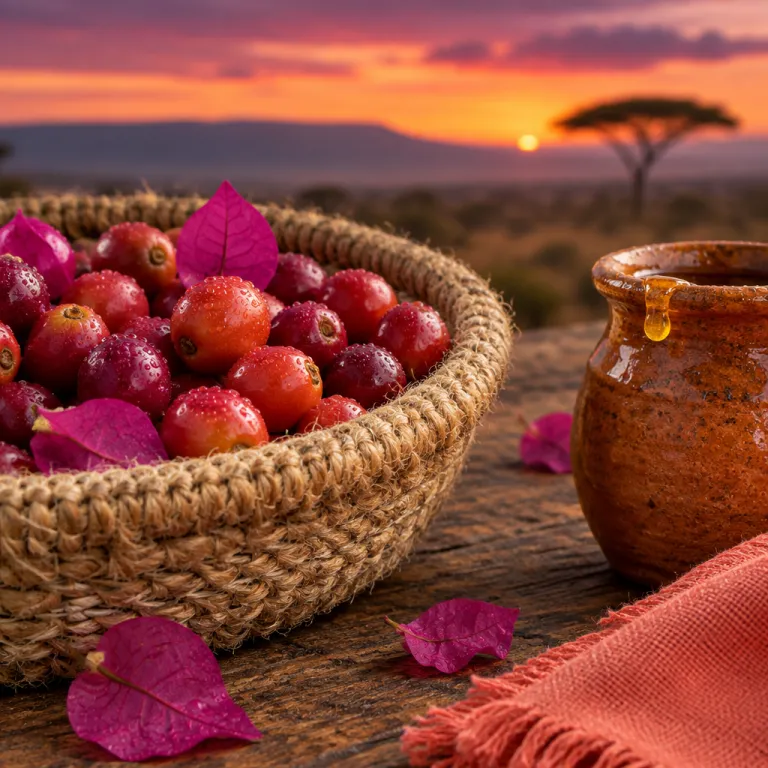
Gibbs Farm Tanzania: a refined base for Ngorongoro travel
Gibbs Farm Tanzania as a refined base for Ngorongoro travel
Gibbs Farm Tanzania offers a serene country retreat between the Ngorongoro highlands and Lake Manyara. Established as a coffee farm in 1929 and now operating as a conservation-focused lodge with 21 cottages, this historic property in northern Tanzania blends a working plantation with a characterful safari lodge, giving guests both comfort and a strong sense of place. Guests who read every review about Gibbs Farm before they visit often arrive to find the reality even more atmospheric than the photographs suggest, with the scent of roasting coffee and birdsong carrying across the gardens.
The farm sits on the outer slopes of the Ngorongoro Conservation Area, so you are perfectly placed for day trips to the Ngorongoro Crater and to Lake Manyara National Park. From the main lodge terrace, the view stretches across the fertile Gibbs Farm fields, forested hills, and distant escarpments that frame this part of Tanzania. For many guests, the combination of a peaceful farm stay and easy access to excellent game viewing defines their ideal Ngorongoro accommodation, especially if they prefer a quieter base to the busier crater rim hotels.
Each room at Gibbs Farm feels like a private cottage, with fireplaces, deep bathtubs, and verandas that open onto lush gardens. The lodge interiors use natural materials and local art, while large windows frame the surrounding conservation area and coffee plantation. After a day exploring the Ngorongoro Crater floor or the shores of Lake Manyara, returning to this calm Gibbs Farm setting feels both restorative and indulgent; one recent guest described it as “like coming home to a country house after a classic safari day”, while a long-serving guide calls it “the place where people finally slow down and really hear the forest”.
Position between Ngorongoro Crater and the wider conservation area
The location of Gibbs Farm Tanzania is one of its strongest assets for safari planning. You stay just outside the official Ngorongoro Conservation Area boundary, yet the drive to the Ngorongoro Crater gate is short enough for a full day on the crater floor. This means you can enjoy a quieter farm environment at night while still accessing some of the most concentrated wildlife and excellent game viewing in Tanzania during the day, without needing to change lodges between crater and lake excursions.
From the lodge, your guide will usually depart early to reach the Ngorongoro Crater rim at first light, when clear skies are most likely and visitor numbers are still low. The descent road reveals a sweeping view of the crater, with its mosaic of grassland, marsh, and lake habitats that support high densities of predators and plains game. Travellers who read about the Ngorongoro conservation story before they travel often say it helps them appreciate how carefully this unique ecosystem is managed and why vehicle numbers and viewing rules are so tightly controlled.
Because the farm lies close to both the conservation area and Lake Manyara, you can easily combine multiple national park experiences from a single base. Some itineraries include one day on the crater floor, another exploring Lake Manyara National Park, and a third walking around the farm and nearby villages. For a deeper comparison of staying on the rim versus lower down, many planners consult a detailed guide to Ngorongoro Crater lodges and locations before finalising their itinerary, weighing views and proximity against altitude, cost, and the calmer atmosphere of a farm stay.
Lake Manyara, coffee plantation life, and gentle farm activities
Gibbs Farm Tanzania sits roughly midway between the Ngorongoro highlands and Lake Manyara, which makes it ideal for varied activities beyond traditional game drives. A day trip to Lake Manyara National Park offers contrasting scenery, with groundwater forests, open floodplains, and a shimmering soda lake that attracts flamingos in some seasons. When you return, the Gibbs Farm team often welcomes you with fresh coffee grown and roasted on the property, sometimes served alongside home-baked cake or still-warm bread from the farm kitchen.
The working coffee plantation is central to the character of Gibbs Farm, and guests can join guided walks to learn about every stage of production. You stroll through neat rows of coffee bushes, read about processing methods, and then taste the final product while enjoying the view over the surrounding area. One popular activity is helping to pick a small basket of ripe cherries, which gives a tangible sense of how closely the lodge is tied to the land and how seasonal rhythms shape daily life on the farm.
Many travellers pair a stay at Gibbs Farm Tanzania with a night or two in a more remote lodge, such as the elevated treehouse-style properties near Lake Manyara. For inspiration on this style of retreat, planners often look at features on elevated Lake Manyara safari lodges before deciding how many nights to allocate in each area. Whether you choose one or several nights at Gibbs Farm, the combination of farm life, coffee culture, and nearby wildlife makes this corner of Tanzania feel richly layered and well suited to both first-time and repeat safari visitors.
Seasons in Tanzania, safari timing, and weather around Gibbs Farm
Choosing the right time to visit Gibbs Farm Tanzania requires understanding how seasons in Tanzania shape both weather and wildlife. The classic dry season usually brings clear skies, easier road conditions, and more predictable game viewing in the Ngorongoro Crater and Lake Manyara National Park. During this period, water sources shrink on the crater floor and in the conservation area, so animals often concentrate around remaining marshes and the central lake, making sightings feel more frequent and focused.
The wet season, which includes the short rains and the longer rainy period, paints the farm and surrounding hills in vivid greens. While some travellers worry about rain, many experienced guides argue that these seasons in Tanzania can offer excellent game viewing with fewer visitor numbers and softer light for photography. At Gibbs Farm, the lodge fireplaces and sheltered verandas make rainy afternoons feel cosy rather than inconvenient, especially when you can read a book with a cup of freshly brewed coffee and listen to the sound of showers moving across the valley.
For many guests, the best time to visit balances wildlife, comfort, and personal travel preferences. If you value high chances of sunshine and easier driving conditions, the main dry season may suit you best, especially for full-day safaris in the Ngorongoro Conservation Area and Manyara National Park. If you prefer lush landscapes, dramatic skies, and quieter parks, the shoulder periods around the short rains and early wet season can be very rewarding from a base at Gibbs Farm, particularly for photographers and travellers who enjoy slower-paced days on the farm.
Safari activities, conservation focus, and day trips from the lodge
From Gibbs Farm Tanzania, guests can choose a wide range of activities that go beyond standard game drives. Classic safari excursions into the Ngorongoro Crater and Lake Manyara National Park remain central, but walking tours on the farm and in nearby villages add cultural depth. Visitors often appreciate how the lodge team explains local conservation projects, helping you understand how tourism supports both wildlife and community initiatives in this part of Tanzania, including tree-planting schemes and education partnerships with neighbouring schools.
On the crater floor, guides focus on finding lions, hyenas, and other predators, while also interpreting the behaviour of elephants, buffalo, and smaller species. Because the Ngorongoro Conservation Area is a multiple-use landscape, you may also see Maasai herders moving cattle along the crater rim, which underlines the delicate balance between people and wildlife. Back at the lodge, you can read detailed information about these conservation efforts, then discuss them over dinner while enjoying the view across the farm and forested hills, often with the sounds of nightjars and distant cattle bells in the background.
Day trips from Gibbs Farm can also include visits to nearby waterfalls, guided birding walks, and longer drives that link to other national park regions. Some itineraries combine this highland base with a stay in more remote reserves, such as the vast river systems and wild dog territories of Nyerere National Park; for planning that kind of extension, many travellers consult overviews of Nyerere National Park lodges and river safaris. Whether you focus on the Ngorongoro area or range further afield, Gibbs Farm works well as a comfortable anchor point in a longer Tanzania journey, especially for those who like to unpack once and explore in different directions.
Reading reviews, comparing lodges, and booking Gibbs Farm with confidence
Travellers considering Gibbs Farm Tanzania often begin by reading every available review, then comparing it with other lodges around the Ngorongoro Crater and Lake Manyara. Patterns quickly emerge: guests praise the attentive service, the quality of the food, and the tranquil farm setting that contrasts with busier national park camps. Many reviewers also highlight the sense of history at this Gibbs Farm property, where the coffee plantation and gardens have been tended for many decades and where some staff members have worked for more than 15 years, according to lodge information.
When you read multiple reviews, pay attention to comments about seasons in Tanzania, as expectations around weather and game viewing can shape satisfaction. Some guests visiting in the dry season emphasise the high density of wildlife on the crater floor and the ease of combining Ngorongoro Conservation Area safaris with Lake Manyara excursions. Others who travel during the short rains or early wet season often mention the beauty of the green hills around Gibbs Farm and the more relaxed pace with lower visitor numbers, especially for those who enjoy time on the verandas and in the gardens.
For a premium booking, it is worth working with a specialist who understands how each lodge in the area fits different travel styles. A good advisor will help you choose the right room category at Gibbs Farm, plan the ideal time to visit based on your priorities, and integrate this stay with other national park experiences across Tanzania. By aligning your expectations with the realities of the seasons, activities, and conservation context, you can book Gibbs Farm Tanzania with confidence and enjoy a richly layered safari journey that feels both well organised and pleasantly unhurried.
Key figures and practical statistics for planning a stay
- Ngorongoro Crater covers about 260 square kilometres (approximately 100 square miles), which allows a full day of game viewing from Gibbs Farm Tanzania without feeling rushed when you depart early and return before dark (area figures from UNESCO and Ngorongoro Conservation Area Authority data).
- The crater floor lies roughly 600 metres below the rim, so temperatures can feel noticeably warmer during midday game drives compared with the cooler highlands around Gibbs Farm (elevation difference based on Ngorongoro Conservation Area Authority figures).
- Lake Manyara National Park stretches for about 50 kilometres along the Rift Valley escarpment, making it an easy half or full-day excursion from the lodge depending on how many activities you include (distance derived from Tanzania National Parks information).
- Typical drive times from Gibbs Farm to the Ngorongoro Crater gate range between 45 and 60 minutes in normal conditions, while the journey to Lake Manyara National Park usually takes around 30 to 40 minutes in the dry season (timings based on lodge guidance and local driver reports).
- Visitor numbers in the Ngorongoro Conservation Area peak during the main dry season holidays, so travellers seeking quieter experiences around the crater and lake often choose shoulder months at the start or end of the wet season, when roads remain passable but overall traffic is lower.
FAQ about Gibbs Farm Tanzania and Ngorongoro stays
How many nights should I stay at Gibbs Farm Tanzania?
Most travellers find that two or three nights at Gibbs Farm Tanzania works well, allowing one full day in the Ngorongoro Crater, one day for Lake Manyara or farm activities, and some downtime to enjoy the lodge itself. Shorter stays can feel rushed, especially if you arrive late from Arusha or another national park. Longer visits suit guests who value slow travel and want to explore the surrounding highlands on foot, perhaps adding an extra day for village walks or a relaxed coffee-tasting session.
Is Gibbs Farm suitable for families with children?
Gibbs Farm is generally very suitable for families, thanks to its spacious cottages, gardens, and relaxed farm environment. Children often enjoy seeing the coffee plantation, vegetable gardens, and resident farm animals between safari activities. Parents should discuss age limits for game drives in the Ngorongoro Conservation Area and Lake Manyara National Park with their travel planner to ensure a comfortable pace and to confirm which activities are appropriate for younger travellers.
Can I visit both Ngorongoro Crater and Lake Manyara from the lodge?
Yes, the location of Gibbs Farm Tanzania makes it practical to visit both the Ngorongoro Crater and Lake Manyara National Park on separate days. The drive to the crater gate is longer than the route to Lake Manyara, but both are manageable as day trips with early starts. Many itineraries schedule one full crater day and one more flexible Lake Manyara or farm day to balance intensity and relaxation, especially for guests who prefer not to change accommodation every night.
What is the best season for game viewing from Gibbs Farm?
The main dry season usually offers the most predictable game viewing in the Ngorongoro Crater and Lake Manyara, with clearer roads and more concentrated wildlife around remaining water sources. However, the green wet season and the short rains can also deliver excellent sightings with fewer visitor numbers and dramatic landscapes. Your ideal time to visit depends on whether you prioritise clear skies and classic safari conditions or lush scenery and quieter parks, and a specialist can help match your preferences to specific months.
How far is Gibbs Farm from other major safari areas in Tanzania?
Gibbs Farm lies in the northern safari circuit of Tanzania, within driving distance of Tarangire National Park, Lake Manyara, and the Ngorongoro Conservation Area, and within a longer transfer of the Serengeti. Many travellers use it as a comfortable stop between Arusha and the Serengeti or as a base for exploring the Ngorongoro highlands in more depth. Your travel specialist can advise on whether to include additional nights in other national park regions based on your overall route, travel time tolerance, and interest in combining highland scenery with classic savannah.