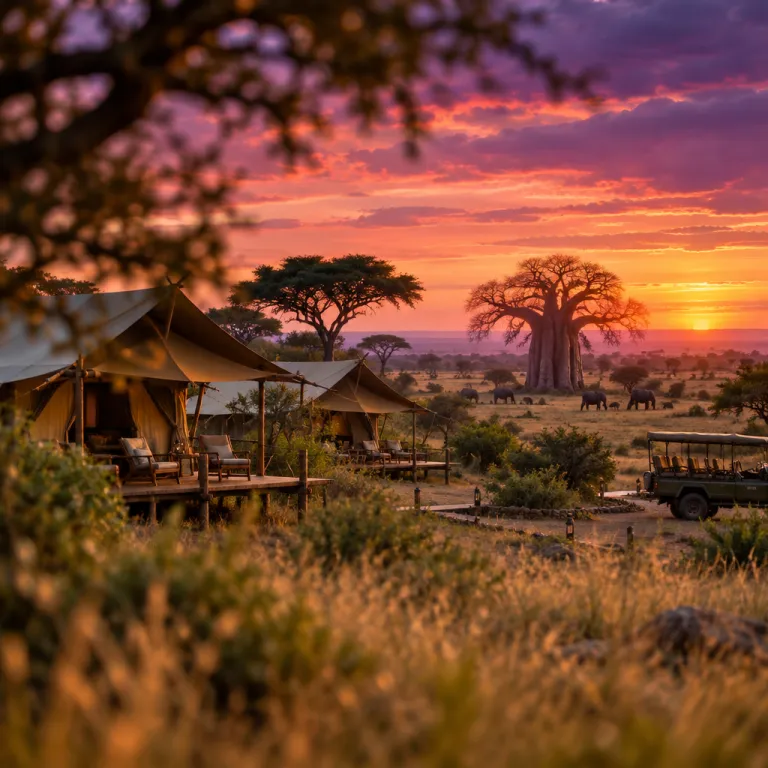
Why Oliver’s Camp in Tanzania defines Serengeti splendor in Tarangire
Oliver’s Camp in Tanzania sits in the remote southern reaches of Tarangire National Park, offering a refined base for travellers who value privacy and depth of experience. This elegant tented camp lies close to the Tarangire River, where wildlife concentrates in the long dry season and where game viewing can feel almost private. For guests comparing luxury options across Africa, Oliver’s stands out for its balance of comfort, authenticity, and access to exceptional walking safaris.
The camp blends canvas and timber, with each spacious tent positioned for uninterrupted views across the park in Tanzania and its sweeping savannah. From your private veranda, you watch elephants move between baobab trees while guides quietly brief you on the day’s game drives and guided walking activities. At night, the sounds of the African bush replace city noise, and the sky above Tarangire National Park becomes a canopy of stars.
Oliver’s is particularly appealing to travellers who want more than a standard vehicle safari and who appreciate the chance to explore on foot with expert guides. The camp’s location inside Tarangire National Park allows early starts for game drives, before other vehicles arrive from outside the park. For serious safari enthusiasts, this combination of walking safari options, classic game drives, and intimate tented comfort makes Oliver’s a benchmark for Tarangire luxury safaris.
Location, seasons, and the best time to visit Tarangire
Tarangire National Park lies in northern Tanzania, south of the better known Serengeti, and is easily combined with other parks on a longer safari. The park is defined by the Tarangire River and its monumental baobab trees, which draw wildlife from a vast area during the dry season when water elsewhere disappears. Guests at Oliver’s Camp in Tanzania benefit from being close to these lifelines, which dramatically improves game viewing during peak months.
For many travellers, the best time to visit Tarangire National Park runs from June to September, when the dry season concentrates elephants, buffalo, and predators along the Tarangire River. This period is also the high season for the camp, and per person per night rates reflect the exceptional density of wildlife and the quality of game drives. Shoulder periods such as January to March and the later October to December window can still offer rewarding game viewing, with greener landscapes and fewer vehicles in the park Tanzania region.
When planning a stay at Oliver’s, consider how different seasons shape your experience and how you balance cost against wildlife intensity. The driest months often deliver the most dramatic game viewing, while earlier or later in the year you may enjoy more solitude and softer light for photography. For a detailed breakdown of location, access, and rate structures, many travellers consult specialist reviews of Oliver’s Camp in Tanzania on dedicated safari accommodation guides such as this in depth overview of serene Tarangire luxury for serious safari travellers.
Safari activities: game drives, walking safaris, and night experiences
Days at Oliver’s Camp in Tanzania revolve around carefully timed game drives and walking safaris that respond to wildlife movements rather than rigid schedules. Early morning game drives explore the Tarangire River and surrounding plains, when predators are still active and the light is ideal for photography and detailed wildlife viewing. Afternoon drives often end with sundowners beneath baobab trees, followed by a slow return to camp as nocturnal species begin to stir.
One of the defining features of Oliver’s is its emphasis on guided walking, with walking safari excursions led by highly trained guides and armed rangers. These walking safaris in Tarangire National Park allow you to read tracks, study plants, and understand animal behaviour in a way that vehicle based safaris cannot match. For many guests, alternating between game drives and walking safaris over several days creates a layered understanding of this part of Africa and its complex ecosystems.
Some itineraries also combine Oliver’s Camp in Tanzania with other slow safari properties in the region, such as the refined Chem Chem safari lodge located between Tarangire and Lake Manyara. Travellers who split their stay between a more traditional camp and Chem Chem can experience both immersive walking and more contemplative, lodge based relaxation. This multi stop approach suits guests who want to explore different corners of park Tanzania landscapes while maintaining a consistently high standard of comfort and guiding.
Accommodation, tents, and what to expect per person per night
The accommodation at Oliver’s Camp in Tanzania consists of large, stylish tents raised on wooden decks, each designed to feel both airy and secure. Inside your tent, you find proper beds, high quality linens, and ensuite bathrooms with hot showers, often open to the sky for a sense of connection with the surrounding national park. Thoughtful details such as writing desks, soft lighting, and shaded verandas make each tent a comfortable retreat between safaris.
Rates at Oliver’s are typically quoted per person per night and usually include meals, most drinks, and scheduled game drives or walking safaris. In high season, when the dry season peaks and game viewing is at its most intense, per person per night prices rise in line with demand and the exceptional quality of the experience. During quieter periods such as January to March or parts of October to December, travellers may find more favourable person night rates while still enjoying strong wildlife viewing and attentive service.
Guests should expect a relaxed but polished atmosphere, with shared dining encouraging conversation about the day’s game drives and walking safari highlights. Evenings often begin around the campfire, where guides discuss the park’s wildlife and the broader conservation context in Tanzania and across Africa. For travellers comparing different camps in Tarangire National Park, the combination of tent comfort, guiding calibre, and inclusive per person per night value makes Oliver’s Camp in Tanzania a compelling choice.
Planning your Tarangire itinerary: combining parks, hot air options, and underwater stays
Many travellers weave Oliver’s Camp in Tanzania into a broader northern circuit that includes the Serengeti, Ngorongoro Crater, and sometimes the coast or islands. Tarangire National Park works particularly well at the start or end of a journey, offering a quieter atmosphere than the Serengeti while still delivering outstanding game viewing. The park’s baobab trees and the meandering Tarangire River also provide a visual contrast to the open plains further north.
Some itineraries pair Tarangire National with experiences such as hot air balloon flights over the Serengeti, giving guests a different perspective on Africa’s wildlife rich landscapes. While hot air activities are not centred on Oliver’s itself, your specialist operator can coordinate transfers so that you enjoy both Tarangire’s walking safaris and the aerial drama of a hot air balloon safari elsewhere. For travellers seeking something even more unusual, it is possible to add coastal stays such as the underwater room on Pemba Island, profiled in this guide to Tanzanian stays that rewrite the hotel playbook.
When planning the time to visit Tarangire, consider how your dates align with the dry season in both Tarangire and the Serengeti, especially if you are interested in specific wildlife events. A June to September focus often works well for travellers prioritising dense game viewing in Tarangire National Park, while a combination of December to January or October to December can suit those who enjoy greener scenery and migratory birdlife. Thoughtful sequencing of parks, from Tarangire’s baobab dotted hills to the Serengeti’s open plains and the Indian Ocean’s calm waters, creates a journey that feels both coherent and richly varied.
Understanding Tarangire’s wildlife, seasons, and conservation context
Tarangire National Park is renowned for its large elephant herds, diverse birdlife, and striking baobab trees that punctuate the landscape. During the dry season, the Tarangire River becomes the park’s main artery, drawing wildlife from surrounding areas and creating intense concentrations of animals near Oliver’s Camp in Tanzania. This seasonal movement underpins the superb game viewing that has made Tarangire National a favourite among experienced safari travellers.
Outside the peak dry season, the park Tanzania region still offers rewarding safaris, with greener vegetation and different wildlife behaviours on display. Periods such as January to March and October to December can bring dramatic skies, newborn animals, and fewer vehicles on game drives, which some guests at Oliver’s find especially appealing. Guides use their knowledge of the park’s micro seasons to adjust routes, ensuring that both vehicle based safaris and guided walking excursions remain productive throughout the year.
Conservation efforts in Tarangire National Park focus on protecting migration corridors, managing human wildlife conflict, and supporting local communities who live around the park. By staying at camps such as Oliver’s Camp in Tanzania, guests contribute to park fees and community initiatives that help safeguard this corner of Africa for future generations. Responsible operators also limit vehicle numbers on walking safaris and night drives, maintaining the sense of wilderness that defines Tarangire’s appeal.
Practical booking advice for Oliver’s Camp in Tanzania
Securing a stay at Oliver’s Camp in Tanzania requires early planning, especially for the high season months when the dry season peaks. Many travellers book June to September dates more than a year in advance, particularly if they want specific tent locations or to combine Tarangire National Park with other sought after areas. Shoulder periods such as December to January or late October to December can offer more flexibility while still aligning with strong game viewing along the Tarangire River.
When comparing person night rates, ask your specialist agent to clarify exactly what is included at Oliver’s, from game drives and walking safaris to park fees and transfers. Some packages bundle multiple parks in Tanzania, allowing you to move seamlessly between Tarangire, the Serengeti, and coastal regions without worrying about logistics. Clarifying these details in advance helps you understand the true value of each person per night rate and avoid unexpected costs on arrival.
Travellers who prioritise walking safari experiences should confirm availability of guided walking activities on their preferred dates, as these can be subject to park regulations and seasonal conditions. If you are interested in hot air ballooning elsewhere in Africa or in combining Oliver’s Camp in Tanzania with more experimental stays, discuss these ideas early in the planning process. A well structured itinerary that respects the rhythms of Tarangire National Park and the wider region will ensure that your time to visit feels both luxurious and deeply connected to the wildlife you have come to see.
Key figures and statistics about Tarangire and Tanzanian safaris
- Tarangire National Park covers approximately 2,850 square kilometres, making it smaller than the Serengeti but large enough to support significant elephant and predator populations, according to Tanzania National Parks data.
- Studies by conservation organisations report that Tarangire hosts one of the highest densities of elephants in northern Tanzania during the peak dry season, with several thousand individuals moving into the park as water sources elsewhere shrink.
- Tourism statistics from the Tanzania Ministry of Natural Resources and Tourism indicate that wildlife safaris contribute a substantial share of national tourism revenue, with northern circuit parks such as Tarangire, Serengeti, and Ngorongoro forming the core of high value itineraries.
- Research by the African Wildlife Foundation highlights that community based conservation projects around Tarangire and other parks in Tanzania help protect migration corridors while providing alternative livelihoods, reducing pressure on wildlife habitats.
- Industry surveys of safari travellers consistently show that guided walking experiences and intimate camps, such as Oliver’s Camp in Tanzania, rank among the top factors influencing repeat visits to Africa’s protected areas.
FAQ about Oliver’s Camp in Tanzania and Tarangire safaris
Where exactly is Oliver’s Camp located within Tarangire National Park ?
Oliver’s Camp in Tanzania is situated in the remote southern sector of Tarangire National Park, a quieter area known for its open plains and proximity to the Tarangire River. This location allows for excellent game viewing with fewer vehicles compared with the busier northern entrance zones. The camp is accessed by a combination of light aircraft flights to Kuro Airstrip and 4x4 transfers arranged by your safari operator.
What is the best time to visit Tarangire for wildlife viewing ?
The prime time to visit Tarangire National Park for concentrated wildlife viewing is during the main dry season, broadly from June to September, when animals gather along the Tarangire River. High season rates at Oliver’s usually apply during these months because game viewing is at its most intense. Shoulder periods such as December to January and January to March can still offer rewarding safaris, with greener landscapes and fewer vehicles.
Are walking safaris available for all guests at Oliver’s Camp ?
Walking safaris at Oliver’s Camp in Tanzania are available to most adult guests, subject to age limits, health considerations, and park regulations. Guided walking activities are led by highly trained professional guides and armed rangers, with strict safety briefings before each walk. Families with younger children typically focus on game drives, while older teenagers and adults can join walking safari excursions.
How many nights should I stay at Oliver’s Camp in Tanzania ?
For a balanced experience of game drives, walking safaris, and time to relax in camp, many travellers choose a stay of three to four nights at Oliver’s. This duration allows you to explore different parts of Tarangire National Park and to experience both morning and afternoon activities in varying light and conditions. Shorter stays are possible but may feel rushed, especially if you are combining Tarangire with other parks in Tanzania.
Can I combine Tarangire with other Tanzanian destinations in one trip ?
Oliver’s Camp in Tanzania is often included in broader itineraries that feature the Serengeti, Ngorongoro Crater, and sometimes coastal or island stays such as Zanzibar or Pemba. Light aircraft connections and well established road networks make it straightforward to move between Tarangire National Park and other key destinations. Working with a specialist safari operator helps ensure that transfers, park fees, and person per night arrangements are coordinated smoothly across your entire journey.