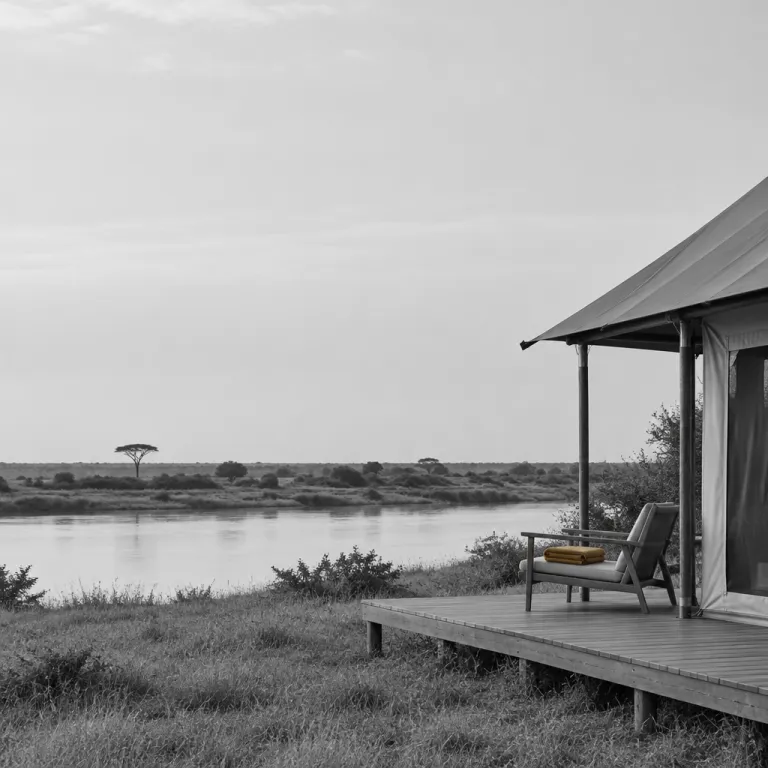
Sayari Camp in the Serengeti, Tanzania for refined riverfront safari stays
Sayari Camp in the Serengeti, Tanzania sits close to the Mara River in a remote northern sector of the park. This elegant safari lodge places you within one of Africa’s most dramatic wildlife theatres, where the Serengeti migration and the Mara River crossings shape each season. For travellers comparing a classic hotel stay with a tented camp experience, Sayari Camp offers the comfort of a high end lodge while preserving the romance of canvas, lantern light, and open horizons.
The camp lies in the northern Serengeti, a quieter corner of the national park with fewer vehicles than the central plains. From this northern Serengeti base, you can watch the wildebeest migration approach the Mara River, then retreat to a tented suite with a private deck and views across the plains. Many guests pair Sayari Camp with a night or two in a more traditional safari camp elsewhere in Tanzania, creating a journey that moves with the wildlife rather than staying fixed in one place.
Each tented suite at Sayari Camp feels more like a contemporary lodge suite than a rustic camp bedroom. You sleep under canvas, yet you enjoy high quality linens, generous bathrooms, and thoughtful design that frames the Serengeti rather than shutting it out. One guest might wake to the sound of distant wildebeest and step onto the deck to see giraffe moving through the morning mist. This balance between tented camp authenticity and hotel level comfort is why Sayari Camp Serengeti Tanzania consistently appeals to travellers who usually book premium city hotels.
From camp Serengeti to safari lodge elegance – how Sayari compares
Many travellers begin by searching for a simple camp in the Serengeti. They quickly realise that the choice between a safari camp, a permanent safari lodge, and a mobile camp in Tanzania has a major impact on comfort, access to wildlife, and overall travel style. Sayari Camp Serengeti Tanzania occupies a sweet spot, offering the intimacy of a tented camp with the facilities you would expect from a high end hotel, so you do not have to choose between creature comforts and proximity to the Serengeti migration.
Unlike a fully mobile Serengeti camp that moves with the herds, Sayari Camp is a permanent lodge style tented camp with a pool, spa treatments, and refined dining. The camp’s position near the Mara River in the north Serengeti means you are close to the action of the Serengeti migration without sacrificing stability or service standards. Guests who enjoy the polished feel of properties such as Serena or Sopa Lodge often find Sayari Camp delivers a more exclusive atmosphere while maintaining comparable comfort and attentive service.
Some itineraries pair Sayari with other luxury safari lodge options in Africa, including properties in South Africa’s private reserves. Travellers who appreciate Sabi Sands elegance, for example, often look at lodge style safaris for Tanzanian travellers seeking Sabi Sands elegance before or after their Serengeti stay. In this context, Sayari Camp stands out as a northern Serengeti base that matches the service culture of leading safari lodge brands while keeping a strong sense of place, with guides who know individual lion prides and long serving staff who remember returning guests by name.
Serengeti migration, Mara River drama, and the best time to travel
The main reason many guests choose Sayari Camp Serengeti Tanzania is proximity to the Mara River crossings. Between roughly July and October, the wildebeest migration often concentrates in the northern Serengeti, turning the Mara River into a stage where herds test the currents and crocodiles wait below. From Sayari Camp, guides position you along the river or in the surrounding park to witness these intense game viewing moments with minimal driving time, often reaching key crossing points in well under an hour.
Outside the peak wildebeest migration months, the northern Serengeti remains rich in wildlife, including big cats, elephants, and resident antelope. Game drives from this tented camp explore rolling hills, rocky kopjes, and quiet riverine stretches where you may spend an hour alone with a pride of lions. Balloon safaris are also available in certain parts of the Serengeti, offering a high level perspective on the national park at sunrise, although they usually operate further south than the Mara River area and are best added when combining regions.
Planning when to travel to Tanzania for the Serengeti migration requires careful attention to seasonal patterns. Many travellers consult dedicated guides such as this resource on the best month to visit Tanzania for Serengeti splendor and luxury stays before confirming their hotel and camp bookings. Whether you aim for the northern Serengeti crossings, the Ndutu calving season, or the green months around Namiri Plains, aligning Sayari Camp with other safari camp stays ensures you follow the wildlife rather than the crowds and make the most of limited time.
Design, tented suites, and the feel of a contemporary safari camp
Sayari Camp’s design philosophy blends tented camp authenticity with lodge style refinement. Each tented suite is raised slightly above the ground, giving views across the Serengeti plains and towards distant hills in northern Tanzania. Interiors use natural tones, local textiles, and handcrafted details that echo the colours of the park without overwhelming the sense of space, while ceiling fans and screened windows keep the air moving on warm afternoons.
Bathrooms in the tented suites are generous, with indoor showers, deep bathtubs in some units, and high quality amenities that rival those of a premium hotel. Large sliding doors open onto private decks, where guests can watch wildlife move between the river and the grasslands, sometimes spotting game such as giraffe, zebra, or even a passing elephant. The camp’s main areas include a pool overlooking the Serengeti, a bar, and a lounge where guests share safari stories after days spent exploring the national park, often around a fire pit under a sky bright with stars.
Lighting is carefully managed so that the camp glows softly at night without disturbing the surrounding wildlife. This attention to detail helps Sayari Camp feel both intimate and secure, a key consideration for travellers new to safari in Africa. For those who have stayed at properties like Lamai Serengeti, Namiri Plains, or a Serengeti mobile camp, Sayari’s balance of structure and openness often feels like a natural next step in their safari journey, especially for longer stays.
Combining Sayari Camp with Ndutu, Ngorongoro, and wider Africa itineraries
Many travellers do not visit Sayari Camp Serengeti Tanzania in isolation. They build a wider Tanzania itinerary that might include Ndutu in the southern Serengeti, the Ngorongoro Crater, and even coastal or island stays after the safari. A classic route begins with a night near Arusha, continues to a safari lodge on the rim of the Ngorongoro Crater, then moves into the Serengeti for a combination of mobile camp and permanent camp experiences that track the migration.
Sample northern Tanzania safari routes
For travellers seeking elevated luxury on the crater rim, properties such as the lodge featured in this guide to elevated luxury on the rim of Ngorongoro pair beautifully with Sayari Camp. After exploring the Ngorongoro Crater, guests often continue to Ndutu during the calving season, when game viewing focuses on predator action across the short grass plains. From there, a flight to the northern Serengeti brings you to Sayari Camp, where the focus shifts from calving to the river crossings and the broader Serengeti migration.
Some itineraries extend beyond Tanzania into South Africa, combining Sayari Camp with a safari lodge in the Kruger region or private reserves. This multi country approach allows travellers to compare the open plains of the Serengeti with the denser bush of South Africa, each offering different styles of game viewing. Whether you choose Serena, Sopa Lodge, Serian Serengeti, or Lamai Serengeti as complementary stays, Sayari Camp often serves as the high point of the journey thanks to its location near the Mara River and its calm, polished atmosphere.
How to choose between Sayari Camp, migration camps, and Serengeti mobile options
Choosing between Sayari Camp Serengeti Tanzania, a dedicated migration camp, and a Serengeti mobile camp depends on your priorities. If you value stability, a pool, and lodge style facilities, Sayari Camp offers a reassuring base in the northern Serengeti. Travellers who want to follow the wildebeest migration more closely sometimes add a mobile safari camp that shifts between central Serengeti, Ndutu, and other sectors of the national park, using Sayari as the anchor point of the itinerary.
Migration camps and Serengeti mobile operations excel at placing you very close to the herds, especially during the Ndutu calving season or when the wildebeest migration moves through central areas. However, these camps usually offer simpler facilities than a permanent safari lodge such as Sayari, Serena, or Sopa Lodge. For many guests, the ideal solution is a combination of a mobile camp for two or three nights and a longer stay at Sayari Camp, where they can relax at a high standard of comfort after intense days of game viewing and early morning starts.
Travellers who have previously stayed at Namiri Plains, Lamai Serengeti, or Serian Serengeti often appreciate the way Sayari Camp balances adventure and ease. Game drives from Sayari focus on the Mara River, the surrounding hills, and the open plains of the north Serengeti, giving a strong chance of seeing predators and large herds. By structuring your travel around both the Serengeti migration and your preferred comfort level, you can create a safari that feels tailored rather than generic and that reflects your own pace.
Practical booking tips for Sayari Camp and luxury Serengeti stays
How to plan and book your stay
Booking Sayari Camp Serengeti Tanzania requires planning well ahead, especially for peak migration months. High demand around the Mara River crossings means that tented suites at this camp, as well as at nearby safari lodge and safari camp options, can sell out many months in advance. Working with a specialist who understands the patterns of the Serengeti migration and the nuances of each park sector helps secure the right dates and room types, particularly if you are combining several regions.
When comparing rates, remember that many safari lodge and camp packages in Tanzania include game drives, park fees, and most meals. A tented camp such as Sayari may appear more expensive than a standard hotel at first glance, yet the inclusive nature of safari pricing often delivers strong value once you factor in guided activities and conservation contributions. Travellers should also consider internal flights between Ndutu, the north Serengeti, and other regions, as these save time and maximise wildlife viewing by reducing long road transfers.
What to check before you travel
Insurance, health precautions, and visa requirements for Africa should be confirmed early in the planning process. While Tanzania is the focus, some itineraries that combine Sayari Camp with South Africa or other countries require careful coordination of flights and entry rules. By aligning your booking window with the movements of the wildebeest migration and the availability of key properties such as Sayari Camp, Namiri Plains, Lamai Serengeti, Serena, and Sopa Lodge, you create a seamless journey through one of the world’s greatest national parks.
Key figures for Serengeti safaris and Sayari style stays
- The Serengeti ecosystem supports an estimated 1.5 million wildebeest, forming the core of the wildebeest migration that moves between Tanzania’s Serengeti National Park and Kenya’s Maasai Mara each year (figure widely cited by the Tanzania National Parks Authority and conservation partners such as the Frankfurt Zoological Society).
- Average game drive distances from Sayari Camp to key Mara River crossing points in the northern Serengeti are often under 15 km, significantly shorter than from central Serengeti lodges, which can reduce travel time by up to 60 % on busy days (based on routing estimates used by regional safari operators and sample GPS tracks).
- Park fees for Serengeti National Park and the Ngorongoro Conservation Area typically represent between 20 % and 30 % of an all inclusive safari package cost, underscoring the importance of protected area funding for wildlife conservation (ranges drawn from published Tanzania tourism fee schedules and tour operator cost breakdowns).
- Balloon safaris in the Serengeti usually last about one hour in the air, with total excursion times of three to four hours including transfers and breakfast, and often operate with passenger limits of around 12 to 16 guests per balloon to maintain safety and viewing quality (figures consistent with leading balloon operator guidelines and safety briefings).
- Occupancy rates at leading luxury safari lodges and tented camps in Tanzania’s northern circuit frequently exceed 80 % during peak migration months, which is significantly higher than many coastal hotel markets in East Africa over the same period (pattern reported in regional hospitality benchmarking and tourism performance reports from industry analysts).
FAQ about Sayari Camp Serengeti Tanzania and luxury safari planning
Where exactly is Sayari Camp located in the Serengeti ?
Sayari Camp is located in the northern Serengeti, close to the Mara River and the border with Kenya’s Maasai Mara. This position places the camp near key wildebeest migration routes and several well known river crossing points. It is reached by light aircraft flights to nearby airstrips such as Kogatende or Lamai, followed by a short game drive transfer that typically takes around 30 to 45 minutes depending on sightings.
Is Sayari Camp suitable for first time safari travellers ?
Sayari Camp is well suited to first time safari guests who prefer lodge level comfort. The tented suites offer hotel style amenities, while the camp’s guides and staff provide a high level of support and safety. Many first time visitors combine Sayari with the Ngorongoro Crater and Ndutu to experience different habitats, from crater floor to open plains and riverine woodland.
How many nights should I stay at Sayari Camp ?
Most travellers spend three to four nights at Sayari Camp to allow enough time for river focused game drives and general wildlife viewing. During peak migration periods, a four night stay increases the chances of witnessing a Mara River crossing. Shorter stays are possible but may feel rushed given travel times within Tanzania and the temptation to linger in camp between drives.
Can Sayari Camp be combined with other Serengeti areas in one trip ?
Sayari Camp is often combined with central Serengeti, Namiri Plains, Lamai Serengeti, or Ndutu to follow the migration through different landscapes. Internal flights link these areas efficiently, allowing you to experience both open plains and more wooded regions. This multi camp approach is especially effective for photographers and wildlife enthusiasts who want varied backdrops and light conditions.
What is included in a stay at Sayari Camp ?
A stay at Sayari Camp typically includes accommodation in a tented suite, most meals, selected drinks, and shared game drives in the surrounding national park. Park fees for the Serengeti are usually added within the package price or itemised separately by your tour operator. Balloon safaris, private vehicles, and some premium beverages are often charged as optional extras, allowing you to tailor the level of exclusivity to your budget.