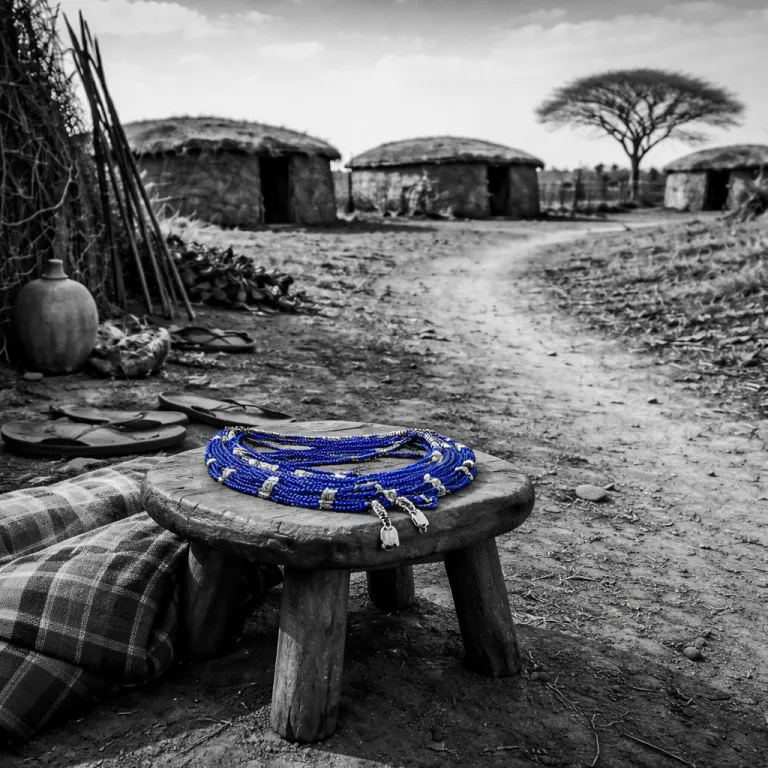
Why the Maasai cultural experience in Tanzania divides travelers
A maasai cultural experience in Tanzania can feel either profound or painfully staged. Many luxury travelers arrive from a tanzania safari expecting an intimate cultural experience and instead meet a rehearsed line of dancers and a souvenir table. The gap between these two experiences is not accidental, and understanding it will shape every maasai village visit you plan.
Across northern Tanzania, from moshi arusha to the rim of ngorongoro, village tours are sold as quick cultural add ons between guided safaris and sundowners. These short visits often last less than an hour, focus on identical jumping dances, and rarely explain how your fee supports local communities or maasai communities. When a maasai cultural visit is priced as a standalone half hour stop with no mention of local communities, you are usually looking at a transactional product rather than a genuine cultural experience.
Luxury camps and lodges now sit close to many maasai villages and maasai communities, and the pressure to offer easy cultural experiences is intense. Some properties treat these visits as another wildlife activity, squeezed between game drives in a national park and lunch at camp. Others work directly with maasai people and the wider maasai tribe to build longer cultural experiences that respect traditional maasai life and support sustainable tourism in surrounding communities.
How to recognise staged versus genuine Maasai village visits
The staged version of a maasai cultural experience in Tanzania usually starts the same way. Your vehicle pulls into a maasai village, the same song begins, the same circle forms, and within minutes you are steered toward a line of beadwork without context. If your guide cannot explain who set the price, how long the maasai people have worked with the lodge, or how the fee reaches maasai communities, you are in the wrong kind of experience.
By contrast, credible cultural experiences feel slower and more grounded in daily life and culture. Expect at least three to four hours including village visits, time in homes, and sometimes a walk to grazing lands or a school supported by tourism revenue from nearby camps. The best village tours are framed as cultural experiences rather than performances, with clear introductions, translation, and space for questions about maasai culture, traditional maasai practices, and the pressures facing tanzania maasai communities today.
Look for itineraries that combine a guided walk with a community project, rather than only a dance and a market. Serious operators in arusha and moshi arusha will describe their partnerships with local communities and maasai villages in detail before you book. When a property talks openly about sustainable tourism, revenue sharing, and long term relationships with a specific maasai village, you are far more likely to have meaningful experiences that complement your wildlife safaris.
Luxury lodges and operators getting Maasai cultural experiences right
Among high end properties, a few names consistently treat the maasai cultural experience in Tanzania as more than a photo stop. Four Seasons Safari Lodge Serengeti has invested in a Discovery Centre that functions as an interactive museum and lecture space on maasai culture and conservation, staffed by on site experts. Before any village visits, guests can explore exhibits on the maasai tribe, wildlife corridors, and how national park tourism funds schools, clinics, and water projects in surrounding communities.
Community stake models run by operators such as Asilia, &Beyond, and Singita affiliated camps go further by tying cultural experiences directly to local income. These companies work with maasai communities around ngorongoro and other conservation areas to design visits, set fair fees, and report transparently on how money flows back into local communities. When you book a tanzania safari with these operators, maasai cultural activities are usually framed as part of broader cultural experiences, not as isolated add ons between game drives.
In northern Tanzania, some camps near arusha and moshi arusha now offer longer experience Tanzania programs that combine wildlife safaris with overnight stays in or near maasai villages. These experiences might include guided walks with moran warriors, lessons in traditional maasai fire making, and time with women’s beadwork cooperatives that benefit maasai people directly. Ask your lodge whether their village tours are designed by maasai communities themselves and whether visits are capped to avoid overwhelming a single maasai village.
Designing your own Maasai cultural adventure from luxury bases
For independent travelers, the most rewarding maasai cultural experience in Tanzania often starts with choosing the right base. In arusha, where many tanzania safari itineraries begin, you can stay in premium lodges that partner with vetted tour operators for guided cultural experiences. From here, half day village tours to nearby maasai villages can be arranged with clear information on timing, usually three to four hours, and on how your fee supports maasai people.
Combining wildlife and culture works particularly well around ngorongoro and the Serengeti, where camps sit close to both game rich plains and long established maasai communities. Many travelers plan morning safaris in a national park followed by afternoon village visits, or reverse the order to catch softer light in the village for photography. If you are interested in camping with premium comfort, look at curated itineraries that blend luxury tents with community visits, such as those described in this guide to Tanzania camping safari experiences with premium comfort and luxury stays.
Season matters less for culture than for wildlife, but the june to october dry season does shape logistics. During june to october, grazing patterns may take the maasai tribe farther from some villages, so ask whether your visit will include time with herders on the move. Outside june to october, expect greener landscapes, easier access to some maasai villages, and potentially more flexible cultural experiences that can be tailored to your interests.
Etiquette, impact and what respectful immersion really looks like
Respectful behavior is the quiet backbone of any maasai cultural experience in Tanzania. Before you visit a maasai village, dress modestly, ask before taking photographs, and let your guide handle sensitive questions about money or gifts. Many hosts will remind guests to respect local customs, wear modest clothing, and bring cash for purchases.
Thoughtful travelers treat cultural experiences as exchanges rather than performances, listening as much as they speak. When you join village tours that include school visits or time at a clinic, focus on understanding how tourism, wildlife conservation, and sustainable tourism policies intersect in this part of Tanzania. Ask your hosts how national park fees, lodge levies, and cultural experience payments contribute to education, healthcare, and water projects for maasai communities and other local communities.
Finally, remember that maasai culture is not a museum piece but a living system adapting to modern Tanzania. The maasai people you meet may use smartphones, send children to secondary school, and work in camps or tour companies while still maintaining traditional maasai ceremonies and dress. Choosing guided experiences that acknowledge this complexity, rather than freezing the maasai tribe in time, is the most powerful way to experience Tanzania with honesty and respect.
FAQ
What activities are typically included in a Maasai cultural visit ?
Most structured maasai cultural experiences in Tanzania include a welcome by elders, a tour of homes, and demonstrations of daily tasks. Many programs also feature traditional dances, beadwork, fire-making. Some longer visits add herding walks, school visits, or time with women’s cooperatives, especially when arranged through community led operators.
How long should I plan for a meaningful Maasai village experience ?
A credible maasai village visit usually lasts three to four hours from departure to return. This allows time for introductions, a walk through the village, and unhurried conversation with maasai people. Anything shorter than an hour on site tends to feel rushed and risks becoming a purely transactional stop.
Do I need to book my Maasai cultural experience in advance ?
Advance reservations are strongly recommended, especially when traveling in the peak june to october safari season. Serious operators limit group sizes and coordinate with maasai communities, so they need notice to arrange hosts and translators. Booking ahead through your lodge or a trusted tour company also helps ensure your visit supports local communities transparently.
Are overnight stays in or near Maasai villages possible for luxury travelers ?
Some high end tanzania safari itineraries now include overnight experiences near maasai villages, often in comfortable tented camps. These programs balance privacy and comfort with extended time in maasai communities, including evening storytelling or early morning herding walks. Ask specifically whether the community helped design the experience and how your payment benefits the maasai tribe.
How much does a quality Maasai cultural experience usually cost ?
Prices vary by lodge and operator, but many well run village tours cost around 65 USD per person for a half day. Higher rates for private or extended cultural experiences are common at luxury camps, especially when they include transfers and specialist guides. The key is not the exact amount but clear communication on where your money goes and how it supports sustainable tourism for maasai communities.