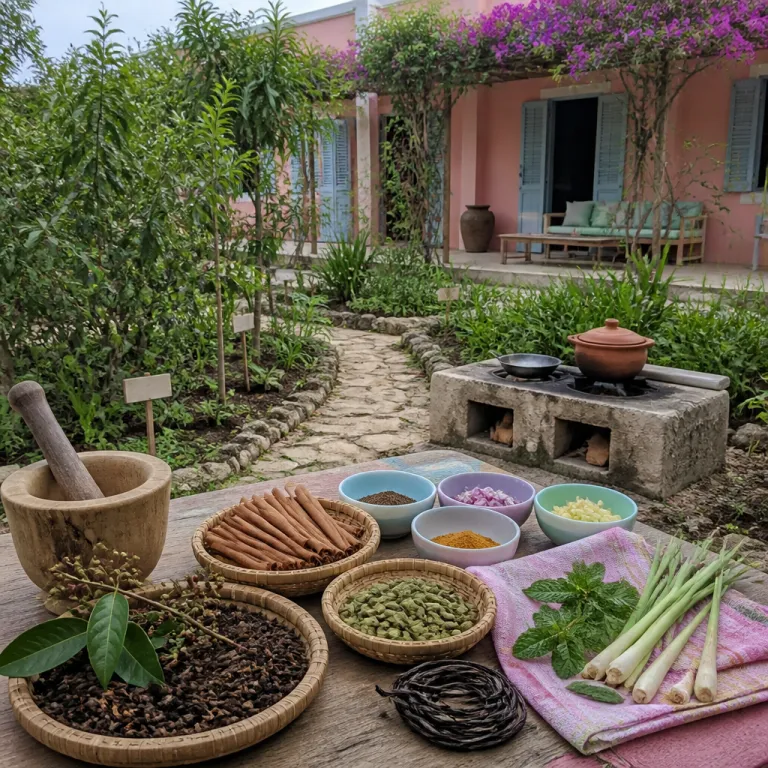
Why a zanzibar cooking class hotel changes how you taste the island
On Zanzibar, the right hotel turns a simple cooking class into a full zanzibar culinary immersion. When you choose a zanzibar cooking class hotel rather than a generic excursion, the chef often starts in the garden or on a nearby spice farm before you ever touch a pan. That shift from passive tour to guided farm walk and hands on cooking changes how you read every plate for the rest of your stay.
Most luxury properties now understand that guests want more than a standard spice tour with a quick tasting and a souvenir bag of cloves. The most interesting hotels in Zanzibar City and along the east coast pair a local Zanzibari chef with their own kitchen garden or a partner spice farm such as Kizimbani, so the class becomes a narrative about land, trade and Swahili cooking rather than a checklist of spices. You move from smelling fresh cinnamon bark to learning how that same bark anchors pilau, urojo or a coconut and octopus curry in the hotel restaurant that evening.
For couples planning a romantic escape, this kind of experience sits in the same league as a private dhow cruise or a sunset rooftop drink in Stone Town. A well designed cooking class at a zanzibar cooking class hotel typically runs two to three hours, with a transparent price that reflects the quality of ingredients and the intimacy of the group. When you compare options on a luxury focused platform like My Tanzania Stay, look for hotels that mention cooking classes, a spice farm visit and a market tour or village tour rather than just a generic tour zanzibar label.
From spice garden to stove: how the best hotel classes unfold
The most rewarding zanzibar cooking experiences begin with soil under your sandals, not stainless steel under fluorescent lights. At properties that take farm cooking seriously, your local chef meets you in the garden or arranges a short transfer to a partner spice farm, where you walk through neat rows of clove trees, cardamom bushes and vanilla vines. This is where you first understand why Zanzibar produces the vast majority of Tanzania’s cloves and how a wide range of spices thrives in this humid air.
During this guided tour, you crush leaves between your fingers, taste nutmeg fresh from the shell and compare different zanzibar spice blends that define Swahili cuisine. A good class zanzibar program keeps the group small, so you can ask about traditional cooking techniques, tour hours, seasonal harvests and how local farmers price their crops. As one guide at Kizimbani spice farm explains, “When guests see how long it takes a clove tree to mature, they finally understand why good spices are worth waiting and paying for.” Hotels that work closely with spice farmers often schedule the visit in the cooler morning hours, leaving time for a relaxed cooking class back at the property before the afternoon heat.
Once you return to the kitchen, the chef lays out the same spices you handled in the farm tour and explains how they move from farm to table, echoing the ethos you might have seen at leading safari lodges with farm to table dining. This is where a zanzibar cooking class hotel mirrors the philosophy described in My Tanzania Stay’s guide to farm to table dining at Tanzania’s leading safari lodges, but with cloves and coconut instead of wild herbs and game. You start chopping, grinding and stirring with traditional cooking utensils, turning abstract talk about spices into a tangible, aromatic meal.
What you actually cook: pilau, urojo and the grammar of swahili cooking
Once aprons are tied, the zanzibar cooking lesson shifts from theory to practice, and this is where a good hotel class feels like a private masterclass rather than a group demonstration. Many programs begin with pilau rice, layering cinnamon, cardamom, cloves and black pepper into a fragrant base that captures the essence of zanzibar spice in a single pot. From there, you might move to urojo, the tangy, turmeric bright street side soup that tells the story of Indian, Omani and African influences in one bowl.
Hotels with strong zanzibar culinary ambitions often add a seafood element, such as octopus curry simmered in coconut milk with tomatoes, garlic and a careful balance of spices. Under the guidance of a local chef, you learn how traditional cooking in Zanzibar respects the heat of the charcoal, the timing of each spice and the importance of tasting at every stage. One instructor at a Stone Town boutique hotel sums up the structure of many of these classes neatly: “What dishes are typically prepared? Pilau rice, coconut curries, chapati, spiced tea.”
Couples who enjoy cooking together will appreciate how these cooking classes are paced, with tasks divided so both partners stay involved without feeling rushed. Over two to three hours, you move from chopping onions to rolling chapati, from brewing spiced tea to plating a meal that reflects centuries of Swahili cooking evolution. For more inspiration on where to book hotels that take food seriously across the country, My Tanzania Stay’s feature on coffee, cardamom and clove dining experiences worth booking is a useful benchmark for culinary ambition.
Stone town markets, spice farms and the logistics that matter
Location shapes the character of any zanzibar cooking class hotel, and nowhere is that clearer than in Stone Town. Properties within walking distance of the old town’s markets often weave a short market tour into the class, sending you with the chef to choose fish, vegetables and fresh coconut before returning to the kitchen. This stroll through narrow alleys lined with stalls is where you see how zanzibar stone architecture, Omani carved doors and the hum of bargaining all feed into the island’s cuisine.
Outside town, coastal resorts lean on their proximity to rural communities and farmland, building a village tour and spice farm visit into the experience. A driver handles pickup from the lobby, then you head inland for a guided tour of a working farm, where you watch nutmeg being cracked, cloves drying and vanilla hand pollinated. The best programs respect tour hours that suit both guests and farmers, avoiding the midday sun and leaving enough time for an unhurried class stone session back at the hotel kitchen.
When comparing classes zanzibar wide, pay attention to what is included in the price beyond the cooking itself. Some hotels bundle transport, market or farm visits, recipes and a sit down meal, while others charge separately for the tour zanzibar component or for drinks with lunch. Transparent communication about duration in hours, inclusions and any dietary flexibility builds trust, especially for couples planning a special occasion where every detail of the experience matters.
How to choose the right zanzibar cooking class hotel for your stay
Not every zanzibar cooking class hotel delivers the same depth of experience, so it pays to read between the lines of glossy descriptions. Properties with their own gardens or long term partnerships with a specific spice farm usually offer more coherent narratives, because the chef knows the land, the farmers and the seasonal rhythms. When you see mentions of farm cooking, a structured farm tour and a guided tour of either a market or a village, you are usually looking at a program designed for genuine cultural exchange rather than quick content for social media.
For couples, the ideal class zanzibar option balances intimacy with energy, often capping group size at six to eight participants. Look for mentions of swahili cooking techniques, traditional cooking utensils and clear reassurance that “Is prior cooking experience required? No, suitable for all skill levels.” so both confident and hesitant cooks feel welcome. Another reassuring line in many serious programs is “Are vegetarian options available? Yes, vegetarian options are offered.” which signals that the hotel has thought through dietary needs rather than improvising on the day.
As you browse properties on My Tanzania Stay, use filters and descriptions to identify hotels that treat cooking classes as a core part of their zanzibar culinary identity, not an occasional add on. Articles such as the platform’s guide to the best hotels in Tanzania for luxury locations and unforgettable stays help you benchmark service levels, then you can drill down into which ones offer serious cooking classes. In a destination where spices, trade winds and Swahili culture meet, the right hotel kitchen can be as revealing as any safari, especially when the chef walks you through the spice garden first.
FAQ
How long does a typical hotel cooking class in Zanzibar last ?
Most hotel based cooking classes in Zanzibar run for about two to three hours, often combined with a short spice garden walk or market visit. The overall experience can stretch to a half day once you include transfers, a guided tour of a spice farm and time to sit down and enjoy the meal you have prepared. According to sample itineraries published by several Stone Town boutique hotels, luxury properties usually publish clear tour hours so you can plan around other activities such as dhow cruises or spa appointments.
Do I need prior cooking experience to join a class ?
Guests do not need any prior cooking experience to enjoy a zanzibar cooking class hotel program, because the chef demonstrates each step and assigns tasks according to your comfort level. Sample hotel descriptions echo this with the straightforward reassurance: “Is prior cooking experience required? No, suitable for all skill levels.” Couples often find that the relaxed, hands on format makes it easy for both confident and novice cooks to participate fully.
What should I wear and bring for a spice farm and cooking tour ?
Comfortable clothing and closed shoes are recommended for walking through a spice farm or village paths before the cooking class. Light fabrics, a hat and insect repellent help in the humid zanzibar climate, especially if your guided tour takes place in the morning sun. It is also wise to inform the hotel in advance about any dietary restrictions, so the chef can adapt recipes without compromising the integrity of traditional dishes.
Are vegetarian or vegan options available in hotel cooking classes ?
Many hotels in Zanzibar offer vegetarian friendly versions of pilau, coconut curries and other Swahili dishes, using vegetables, pulses and local greens instead of meat or seafood. Sample program notes from local providers often state: “Are vegetarian options available? Yes, vegetarian options are offered.” Vegan options may require more advance notice, so it is best to confirm with the property when you book your class.
How much do hotel cooking classes in Zanzibar usually cost ?
Prices for hotel based cooking classes in Zanzibar generally range from about 40 to 80 US dollars per person, depending on the property, group size and whether a market tour or spice farm visit is included. This range reflects sample rates advertised by mid range and luxury hotels in Zanzibar City and along the east coast. When comparing offers, check what is included in the price, such as drinks, recipes to take home and any pickup or drop off services.
Sources
Food and Agriculture Organization of the United Nations (FAO) – reports on clove production in Tanzania and Zanzibar
Zanzibar Commission for Tourism – guidance on cultural and culinary experiences
Relais & Châteaux and selected Zanzibar boutique hotels – sample cooking class descriptions and itineraries