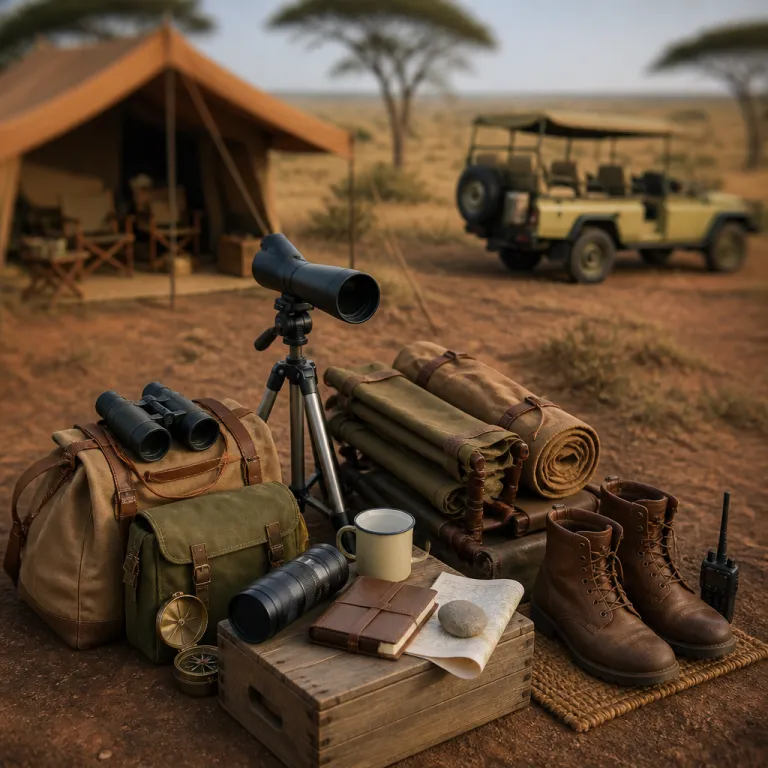
Namiri Plains Camp in context: where Serengeti seclusion meets refined comfort
Namiri Plains Camp lies in a remote pocket of the eastern Serengeti, where open grasslands run unbroken to the horizon. This safari camp occupies a former cheetah research area that was closed to general tourism for roughly two decades, a detail confirmed by Asilia Africa and long-running cheetah monitoring projects in this sector of Serengeti National Park. As a result, predators here are unusually relaxed around vehicles, and game viewing feels more like a private concession than a busy national park sector. For travellers weighing every lodge and hotel option in Tanzania, Namiri Plains offers a rare mix of genuine seclusion and easy connectivity to wider safari circuits.
The camp is managed by Asilia Africa, whose team runs just ten tented suites designed as a contemporary safari camp rather than a rustic outpost. Specialist tour operators and Asilia’s own fact sheets consistently cite this ten-suite configuration, which keeps guest numbers low and service highly personalised. Because the nearest permanent camp in this Serengeti area is over an hour’s drive away across open plains, sightings around Namiri Plains often unfold without other vehicles in view. This distance from neighbouring safari lodge developments keeps traffic light, which matters when you want unhurried time to watch a cheetah stalk or a pride of lions crossing the grasslands.
Guests typically arrive by light aircraft at Seronera or the closer Namiri airstrip, then transfer by 4x4 through open plains where wildebeest and zebra graze in loosely spaced herds. Depending on the airstrip used, the drive to camp usually takes between 45 minutes and 1.5 hours, and the transfer effectively becomes your first game drive, with guides immediately scanning for cheetahs, lions, leopards, and, in season, the early waves of the wildebeest migration. From the outset, Namiri Plains guides focus on context as well as sightings, explaining how the area’s long closure for conservation has shaped predator behaviour and why this eastern Serengeti sector now ranks among Tanzania’s most rewarding safari regions.
Serengeti migration and the best time to visit Namiri Plains
Choosing the right time to visit Namiri Plains Camp means understanding how the Serengeti migration moves through the wider ecosystem. The great wildebeest migration is a year-round cycle rather than a single event, and this eastern Serengeti area plays a supporting role even when the main herds are closer to Ndutu or the Mara River. When you book a safari lodge or tented camp here, you are opting for a quieter vantage point on the migration rather than the crowded river-crossing hotspots further north.
During the green season, roughly November to May depending on rainfall, large numbers of wildebeest and other plains game spread across the grasslands around Namiri Plains, taking advantage of the nutritious new growth that follows the rains. As the ground dries from about June onwards, many herds drift towards the western corridor and the Mara region, where the famous river crossings occur and where larger properties often fill months in advance. If your priority is to be right on the Mara River during peak migration, you might combine Namiri with a dedicated migration camp or a stay near Serian Serengeti, while still appreciating the calmer atmosphere of this eastern sector at the start or end of your trip.
For many guests, the best time to visit Namiri Plains Camp is the drier season, when grasses are shorter and visibility improves dramatically. Predator sightings peak as lions, cheetahs, and leopards work the thinning cover, and guides can track individual animals across wide sweeps of the national park. When every lodge seems booked and the wildebeest migration is in full swing, travellers often use expert planning resources such as this guide to peak season in Tanzania and where to stay to secure space at Namiri Plains and its neighbouring safari camp options.
What staying at Namiri Plains Camp really feels like
Life at Namiri Plains Camp balances the romance of a tented safari camp with the polish expected from a premium lodge. Each tented suite is raised slightly above the plains, with wide decks that frame the Serengeti like a private cinema screen. Interiors use natural stone, pale woods, and soft textiles, so the focus stays firmly on the wildlife outside rather than on showy décor.
Days usually begin before sunrise with coffee or tea delivered to your tented room, followed by a game drive across the surrounding area while the light is soft and predators are still active. Guides use open-sided 4x4 vehicles for unobstructed viewing and know many of the individual cheetahs that have made this part of the eastern Serengeti famous among photographers. Between drives, guests return to the lodge for leisurely meals, a swim, or quiet time on the deck watching wildebeest and other game drift across the Serengeti grasslands in front of camp.
Rates at Namiri Plains are typically quoted per person per night, inclusive of meals, most drinks, and scheduled safari activities. Depending on season and room category, specialist operators often publish guideline prices in the region of US$900–1,600 per person per night, which simplifies comparisons with other properties such as a river lodge in the Mara region or a classic Sopa Lodge elsewhere in the national park. If you value privacy and attentive service, the limited number of tents means staff quickly learn your preferences, from how you like your sundowner to whether you favour long walking safaris or extended hot air balloon rides at dawn, which can be arranged over the surrounding plains.
For travellers building a longer itinerary, Namiri combines smoothly with an elegant base near Arusha before or after the safari. Many guests choose an Arusha property such as this luxury lodge gateway to northern Tanzania safaris, then connect by light aircraft to the eastern Serengeti. This pattern keeps travel time efficient while allowing you to experience both lush highland gardens and the open Serengeti plains in a single journey.
Wildlife, walking safaris, and hot air ballooning around Namiri
The defining reason to choose Namiri Plains Camp over a more conventional hotel is the intensity and quality of its wildlife encounters. This area was originally closed to mainstream tourism to protect cheetah populations, and that legacy remains visible in the density of predators that patrol the surrounding plains. Guests routinely see cheetahs, lions, leopards, and large herds of wildebeest within a short drive of the lodge, often without another vehicle in sight.
Game drives form the backbone of the experience, but walking safaris add a different dimension to your time in the national park. Accompanied by armed guides and trackers, you explore smaller details such as tracks, insects, and plants that are easily missed from a vehicle, while still keeping an eye out for larger game at a safe distance. These walks are carefully regulated, and the team at this safari lodge will advise which season and which area around Namiri Serengeti is most suitable for your fitness level and interests.
For a dramatic aerial perspective, many guests book hot air balloon flights over the Serengeti, often timed for sunrise when the light is soft and the air is cool. From above, you can trace the lines of the river systems, watch scattered wildebeest herds, and appreciate how isolated Namiri Plains really is compared with busier migration camp clusters near the Mara River. Back on the ground, the guides’ detailed knowledge of the Serengeti migration routes means they can position you for exceptional game viewing whether the main wildebeest migration is closer to Ndutu, Serian Serengeti, or the central plains.
Those who enjoy comparing different safari camp styles often pair Namiri with a more traditional river lodge or a classic Serena property elsewhere in Tanzania. This contrast highlights how a small tented camp in a remote area can deliver a more intimate connection with wildlife than a larger hotel complex. For travellers who prioritise privacy, silence, and long unbroken views, Namiri Plains Camp consistently emerges as the preferred choice among Serengeti safari connoisseurs, especially when combined with other safari lodges that feature private plunge pools and wildlife views.
How Namiri Plains supports conservation and responsible luxury travel
Choosing Namiri Plains Camp is not only about personal comfort; it is also a statement about the kind of tourism you want to support. The camp operates in partnership with cheetah conservation projects that helped reopen this area of the eastern Serengeti to carefully managed visitors, a relationship described in Asilia Africa’s conservation reports and by researchers working on-site. Because the region was closed for around twenty years, predator populations had time to stabilise, and the current safari model aims to maintain that balance while generating funds for ongoing research.
Asilia Africa, which manages Namiri Plains, invests in local employment, guide training, and community initiatives that extend benefits beyond the lodge itself. This approach aligns with the broader shift in Tanzania towards eco-tourism, where a safari camp is expected to contribute to both conservation and livelihoods rather than simply extract value from the national park. Guests can often speak directly with researchers or guides involved in monitoring cheetahs and other wildlife, gaining first-hand insight into how data on movements, hunting success, and cub survival informs management decisions.
Operationally, the camp uses low-impact infrastructure, with tented suites that can be removed with minimal scarring to the plains if needed. Water and energy use are carefully monitored, and vehicle movements are planned to reduce unnecessary pressure on sensitive areas, especially during the peak season of the Serengeti migration. For travellers comparing options such as a large Sopa Lodge, a classic Serena hotel, or a smaller migration camp, these details may tip the balance in favour of Namiri Serengeti when you want your per-person-per-night spend to have a measurable conservation impact.
As one of the verified responses about the property notes, “What wildlife can be seen at Namiri Plains Camp? Cheetahs, lions, leopards, and wildebeest.” This concise list captures why serious wildlife enthusiasts gravitate towards this safari lodge, often returning in different seasonal windows to see how the same area transforms across the year. When you book, do not hesitate to ask for up-to-date details on current research projects and how your stay at this Serengeti camp contributes to their long-term success.
Practical booking advice for Namiri Plains and surrounding Serengeti camps
Securing a tent at Namiri Plains Camp requires forward planning, especially for peak migration months and popular holiday periods. With only ten tented suites, the camp often fills long before larger hotel-style properties, so early enquiries are essential. Many travellers work with specialist agents who understand how to combine Namiri Plains with other safari lodge options across Tanzania for a balanced itinerary.
When comparing rates, pay attention to what is included per person per night, as this can vary between a tented camp, a river lodge, and a city hotel. At Namiri Serengeti, the tariff typically covers accommodation, meals, most drinks, scheduled game drives, and sometimes walking safaris, while hot air ballooning and certain premium beverages are extra. In contrast, some migration camp properties near the Mara River or Ndutu may structure their pricing differently, so a direct comparison requires careful reading of the details.
Communication with the camp or your chosen agent is usually handled by email, which allows you to ask specific questions about the season, wildlife expectations, and any special requirements. It is wise to request clarity on transfer logistics, especially if you plan to link Namiri Plains with other areas such as Serian Serengeti, the central Serengeti, or a coastal extension after your time in the national park. Travellers who value efficiency often arrange a sequence that moves logically from Arusha to the eastern Serengeti, then perhaps to a Mara region migration camp, minimising backtracking and maximising time on safari.
Insurance, medical considerations, and luggage limits for light aircraft flights are also important practicalities when planning a stay at this safari camp. Soft-sided bags are usually required, and strict weight limits apply, so pack with care and prioritise neutral clothing suitable for both cool mornings and warm afternoons on the plains. By addressing these logistical details early, you free yourself to focus on the essence of Namiri Plains Camp: unhurried game viewing, the drama of the Serengeti migration, and the quiet luxury of a remote lodge that feels deeply connected to its surrounding wildlife.
Comparing Namiri Plains with other Serengeti and Mara region stays
Travellers often ask how Namiri Plains Camp compares with other renowned properties across the Serengeti and the greater Mara ecosystem. The most obvious distinction is its location in the eastern Serengeti, far from the busier Mara River crossings yet still integral to the broader migration story. This means you trade the spectacle of massed wildebeest at the river for a more intimate, predator-focused experience on open plains.
Against a classic Serena or Sopa Lodge in the central national park, Namiri Plains feels smaller, quieter, and more immersed in its immediate wildlife area. Those larger hotels offer more rooms, sometimes more facilities, and easier access to multiple sectors, which can suit first-time visitors who want a broad overview. By contrast, a stay at Namiri Serengeti is about depth rather than breadth, with guides encouraging you to follow particular cheetahs, lion prides, or even individual wildebeest through several days of game viewing.
When compared with a dedicated migration camp near Ndutu or the Mara River, Namiri functions as a complementary rather than competing choice. A typical high-end itinerary might include a few nights at a safari camp close to the main wildebeest migration front, followed by several nights at Namiri Plains to focus on predators and walking safaris in a less crowded area. Some travellers also add a river lodge or a stay near Serian Serengeti to experience different angles on the same ecosystem, creating a layered understanding of how wildlife uses the plains across changing seasonal patterns.
Ultimately, the decision comes down to your priorities and travel style rather than a simple ranking of one lodge over another. If you want a tented camp that feels remote yet refined, with a strong conservation ethos and consistently impressive predator sightings, Namiri Plains Camp stands out. For those who prefer a larger hotel environment with more social buzz or a migration camp positioned right on the Mara River, other options may suit better, but many seasoned safari guests end up returning to Namiri as their Serengeti base of choice.
Key figures and statistics about Namiri Plains Camp and its setting
- Namiri Plains Camp operates just 10 guest tents, according to Asilia Africa and specialist safari operators, which keeps guest numbers low and enhances the feeling of exclusivity compared with larger Serengeti hotels.
- The area around the camp was closed to general tourism for about 20 years to support cheetah conservation, a duration referenced in conservation project summaries and operator briefings, allowing predator populations to stabilise before carefully managed safari activities resumed.
- The nearest neighbouring camp is over an hour’s drive away, a distance cited by on-the-ground guides and itinerary planners, meaning vehicle density on game drives is significantly lower than in central Serengeti or Mara River hotspots where multiple lodges share the same sightings.
- Namiri Plains is open year-round, so guests can experience both green-season landscapes and dry-season game viewing without being constrained to a short operating window.
- Core activities at the camp include game drives, walking safaris, and hot air ballooning, offering a broader activity mix than many traditional safari camps that focus solely on vehicle-based game viewing.
FAQ about Namiri Plains Camp and the eastern Serengeti
How remote is Namiri Plains Camp compared with other Serengeti lodges?
Namiri Plains Camp is considered highly remote, with the nearest camp more than an hour’s drive away across open plains. This separation from other safari lodge developments means fewer vehicles at sightings and a stronger sense of wilderness. Travellers who value solitude often choose Namiri over more central hotel clusters in the national park.
What wildlife can I expect to see around Namiri Plains?
The area is renowned for predators, especially cheetahs, along with lions, leopards, and substantial numbers of wildebeest and other plains game. Verified information about the camp confirms that “What wildlife can be seen at Namiri Plains Camp? Cheetahs, lions, leopards, and wildebeest.” Birdlife is also rich, particularly raptors that hunt over the grasslands.
What activities are offered at Namiri Plains Camp?
Guests can join twice-daily game drives, guided walking safaris in suitable areas, and optional hot air balloon flights over the Serengeti. These activities are led by experienced guides using open 4x4 vehicles and strict safety protocols. The mix of vehicle and walking experiences allows you to appreciate both large-scale wildlife movements and smaller ecological details.
When is the best time to visit Namiri Plains Camp for the Serengeti migration?
Namiri Plains is open all year, but the main concentrations of the wildebeest migration usually pass closer to Ndutu or the Mara River at different times. The camp excels as a predator-focused base, especially in the drier months when grasses are short and game viewing is at its clearest. Many travellers pair Namiri with a separate migration camp positioned nearer the current front of the herds.
How should I book and what practical details matter most?
Because the camp has only ten tents, it is wise to book several months in advance, particularly for peak season. Clarify what is included per person per night, ask for current wildlife and season updates, and confirm luggage limits for light aircraft transfers. Most arrangements are handled efficiently via email through your chosen agent or directly with the operator, ensuring all logistical details are settled before you travel.