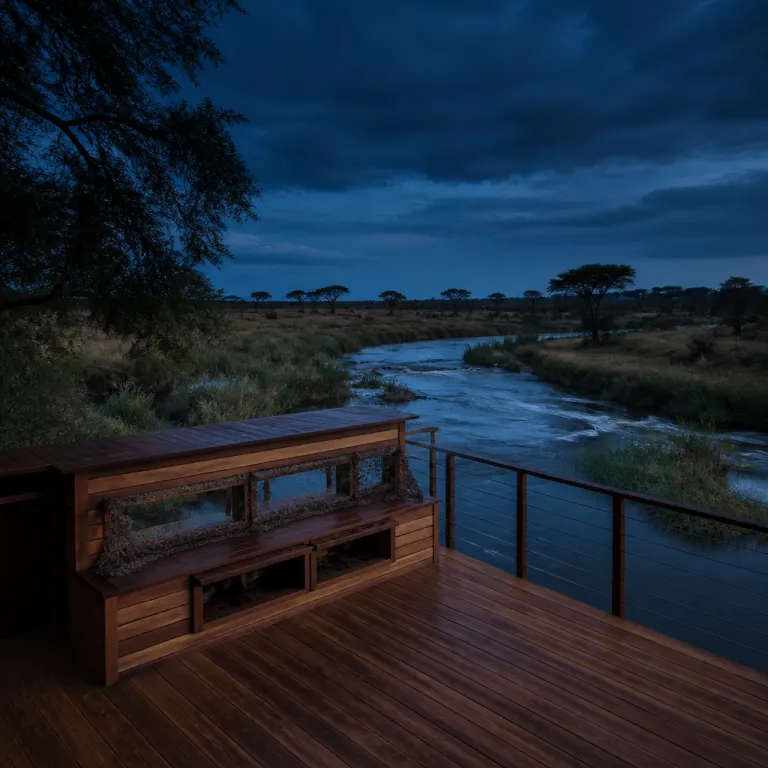
Why wildlife photography safari Tanzania starts with the right camp design
For a serious wildlife photography safari Tanzania experience, the camp layout matters as much as the game-rich landscape. Traditional safaris in Tanzania focus on sightings, but the properties that shape great portfolios are engineered around the photographic moment, from eye-level hides to elevated decks that frame a clean image. When you choose where to spend your days and nights, you are really choosing how many chances you will have to turn a fleeting encounter with predators into a gallery-worthy photo.
Across the northern national park circuit, a small number of camps now prioritise photographers over generic tourists, limiting the number of guests per vehicle and even the number of vehicles allowed at a sighting. These specialist operations, such as Elewana’s Tarangire Treetops and Asilia’s Namiri Plains, state in their own materials that they cap vehicle occupancy at four to six guests and actively avoid crowding around big cats. They understand that wildlife photography is not about ticking off lions and leopards but about waiting, sometimes for hours, for predators to move into the right light. On a focused photo safari in Tanzania, the best guides will plan early morning drives and late afternoon sessions around sun angle, background and dust, not just around where the radio chatter says the wildlife has been seen.
Industry reports and operator data indicate at least five dedicated photographic hides in northern Tanzania, including structures at Tarangire Treetops, Lake Manyara National Park, Ndutu Private Conservancy, the Grumeti private concession and a mobile hide in central Serengeti. Each usually holds only three photographers at a time, a figure confirmed by camp fact sheets and booking conditions. That small group scale creates quiet, concentrated spaces where you can work on one image for as long as the scene holds. Camps and conservancies partner closely with national park authorities to position these hides and private decks so that both wildlife and photographers benefit from minimal disturbance and maximum photographic opportunity.
Underground hides and eye level encounters in Serengeti and beyond
The most transformative wildlife photography safari Tanzania moments often happen when you shoot at true eye level, not from a high vehicle roof. A photographic hide is a structure designed to conceal photographers, allowing close-up wildlife shots without disturbing animals. In Tanzania, that definition comes alive at Tarangire Treetops, Lake Manyara National Park, Ndutu Private Conservancy, the Grumeti private concession and mobile setups in the central Serengeti, where hides are built into the landscape rather than added as an afterthought.
Tarangire Treetops uses underground hides near the Tarangire River, giving photographers a low angle on elephant herds that feels almost cinematic in the final image. Lake Manyara National Park offers concrete bunker hides that look unassuming from above but open onto intimate photographic spaces for hippo, baboon and birdlife, ideal for a dedicated Tanzania photo session. In the Ndutu area, photography Ndutu hides are positioned for big cats, so patient photographers can work on sequences of lions, leopards and cheetahs as they patrol the short grass plains during the key January–February period.
Farther west, the Grumeti concession combines a floating hide on a waterway with a year-round waterhole hide, giving wildlife photography enthusiasts two very different perspectives on crocodiles, hippos and thirsty plains game. These hides are usually accessed in a private vehicle or on foot with a guide, and slots must be booked in advance because the average capacity per hide is only three photographers. When you plan your photo safaris and compare luxury camps, read the fine print on hide access, ask about the exact number of hides on site and confirm whether your stay includes multiple hide sessions over several days.
Understanding Tanzanian lodge meal plans also matters, because long hide sessions mean you may want flexible dining or packed breakfasts to maximise early morning light.
Private decks, watering holes and rooms designed for the image
Not every wildlife photography safari Tanzania guest wants to spend all day in a hide, and that is where private decks and watering hole views come into their own. Some luxury lodges now orient entire room wings and pools around natural water sources, effectively turning your suite into a private photographic blind. Mikumi Wildlife Lodge, for example, is built around a busy waterhole so that even a relaxed hour between game drives can yield a portfolio-grade photo of elephants, antelope or nocturnal predators under the floodlights.
In the Serengeti, several mobile camps shift positions through the season, placing their tents and dining decks near migration corridors and river crossings that are ideal for a focused photo tour. During January–February, camps in southern Serengeti and the Ndutu area offer front-row views of calving herds, making photography Ndutu sessions from camp almost as productive as drives in the national park. Later in the year, operators in the Seronera region move closer to central river systems, where private decks overlook hippo pools and fig trees that regularly host leopards, giving photographers a chance at big cats without leaving their coffee table.
These thoughtfully designed spaces are especially valuable for multi-generational safaris, where not every family member will want to be in a vehicle for long days. Grandparents can remain on the deck, children can swim under watchful eyes and photographers can keep a camera ready for wildlife that drifts through camp. To time these stays around migration movements and predator concentrations, use a detailed resource such as this month-by-month guide to visiting Tanzania, then match your preferred dates with camps whose architecture clearly favours the image.
Photo vehicles, guiding and the rhythm of golden hour
Once you have chosen a camp that suits a wildlife photography safari Tanzania itinerary, the next decision is the vehicle and guiding setup. The best photo safaris use modified Land Cruisers with roof hatches, removable doors, bean bags and extra spaces so that each photographer can swing a long lens without clashing elbows. Ask directly about the number of vehicles in the fleet, how many guests are placed in each vehicle and whether you can secure a dedicated photo safari vehicle for your small group or solo trip.
Guides trained in wildlife photography will change your results more than any new lens, because they understand both animal behaviour and light. On a serious Tanzania photo focused stay, a good guide will position the vehicle for backlit dust, rim-lit manes and clean backgrounds, even if that means waiting while other safaris chase quick sightings. They will also know when to suggest leaving a busy sighting in a national park like Serengeti or Ruaha National Park to search for a quieter scene where you can work undisturbed with big cats or elephants at eye level.
Golden hour logistics are another quiet differentiator between camps that talk about photography and those that truly serve photographers. Top properties plan early morning wake-up calls, coffee on the go and flexible breakfast times so that you are in the field before the first light touches the plains, not leaving camp as it peaks. They also coordinate with park authorities on gate times, especially around the Ngorongoro Crater and other tightly regulated areas, to ensure that your days and nights are structured around light rather than buffet schedules, and that your final image set reflects that discipline.
For travellers pairing a photographic safari with a Kilimanjaro climb, it is worth reading about where to sleep before the climb and after the summit, then building a route that flows smoothly from mountain to migration.
Choosing your circuit: Serengeti, Ruaha, Ngorongoro and cross border combinations
Different regions within Tanzania lend themselves to different styles of wildlife photography safari Tanzania, and your choice of circuit will shape both your images and your hotel shortlist. The Serengeti and the adjacent Ndutu area are unrivalled for massed herds, dramatic crossings and photography Ndutu calving scenes, especially during January–February when predators are highly active. Here, mobile camps and permanent lodges near key river systems offer a mix of hides, private decks and fast access to classic big cats, making them ideal for a first serious photo tour.
Ruaha National Park and the wider southern Tanzania region appeal to photographers who prefer fewer vehicles and wilder compositions, trading the density of Serengeti for raw, rugged landscapes. Camps in Ruaha often run extended drives and walking safaris, with some offering simple photographic hides near seasonal rivers where elephants, kudu and lions, leopards come to drink. Because the number of vehicles is lower than in the northern national parks, you can often work a sighting at your own pace, crafting a final image that feels more intimate and less crowded.
Many photographers also consider cross border combinations, pairing Tanzania with Kenya’s Masai Mara or Amboseli ecosystems, or even extending south to reserves in South Africa for a broader African portfolio. While Masai Mara and Amboseli are outside Tanzania, they share migratory wildlife with the Serengeti and offer complementary perspectives on predators and elephants. If you plan such a route, think in terms of days and nights per ecosystem, ensuring that each stop offers at least one property genuinely designed around photography, not just generic safaris, so that your overall wildlife photography journey feels cohesive rather than fragmented.
Practicalities: gear, power, safety and booking photographic hides
Even the best wildlife photography safari Tanzania camp cannot compensate for poor preparation, so think carefully about gear and logistics before you book. Long lenses in the 300 to 600 millimetre range are standard for predators and distant subjects, while a fast 70 to 200 millimetre zoom is invaluable for eye-level work from hides and private decks. Many high-end lodges now keep a small pool of loaner equipment and bean bags, but you should confirm this in advance and treat it as backup rather than your primary photographic plan.
Power infrastructure in remote camps has improved significantly, with most offering in-room charging during generator hours or 24-hour solar systems, yet it is still wise to travel with multiple batteries and a compact power strip. When you book, ask whether the vehicle has charging points, especially if you expect long days in the field with multiple camera bodies. Safety in hides is taken seriously, and as one operator explains without embellishment, “Are photographic hides safe? Yes, they are designed with safety in mind, often featuring one-way glass and secure structures.”
Because demand for photo safaris is rising, you should reserve photographic hides and specialist guides as early as possible, particularly for peak months in Serengeti, Ngorongoro Crater and Ruaha. Camps often allocate limited daily slots for each hide, and a small group of three photographers can easily fill the available spaces for several days. When you receive your final confirmation, check that every promised element — from hide sessions to private vehicle access and early morning departures — is clearly listed, so that once you arrive in Tanzania you can focus entirely on the wildlife, the light and the images you came to create.
FAQ
What is a photographic hide and how does it help my images ?
A photographic hide is a purpose-built structure that conceals photographers while allowing clear views of wildlife, usually through openings or one-way glass. By placing you at or near eye level with animals and minimising your movement and scent, it creates more intimate, natural behaviour in front of the lens. In Tanzania, hides at Tarangire, Lake Manyara, Ndutu, Serengeti and Grumeti are positioned to maximise both safety and photographic potential.
How do I book a photographic hide in Tanzania ?
Most hides are managed directly by camps, conservancies or national park partners, so you book access through your chosen lodge or safari operator. Because capacity is low, you should request specific hide sessions at the same time you reserve your room and vehicle, not on arrival. For peak seasons in Serengeti, Ngorongoro Crater and Ruaha, securing these slots several months in advance is strongly recommended.
Are photographic hides suitable for first time safari photographers ?
Yes, hides can be ideal for beginners because they remove the distraction of vehicle movement and let you focus on composition, light and timing. Guides usually accompany you, helping with both wildlife behaviour and basic camera settings, so you learn quickly in a controlled environment. The slow, patient rhythm of a hide session also suits travellers who prefer quieter, more contemplative safaris.
Do I need a private vehicle for a photography focused safari ?
A private vehicle is not mandatory, but it dramatically improves your flexibility on a wildlife photography safari Tanzania itinerary. With a dedicated guide and no competing interests, you can stay longer at promising scenes, skip crowded sightings and position the car purely for your images. Many high-end camps offer tailored photo vehicles with extra space and support gear, which are worth the supplement for serious photographers.
Which Tanzanian regions are best for big cat photography ?
The Serengeti ecosystem, including the Ndutu area, remains the premier destination for lions, leopards and cheetahs, especially around the migration and calving seasons. Central Serengeti, the Seronera Valley and certain private concessions offer reliable big cats alongside well-designed camps and hides. Ruaha National Park is excellent for those who prefer fewer vehicles and a wilder feel, trading sheer numbers for more solitary, atmospheric encounters.