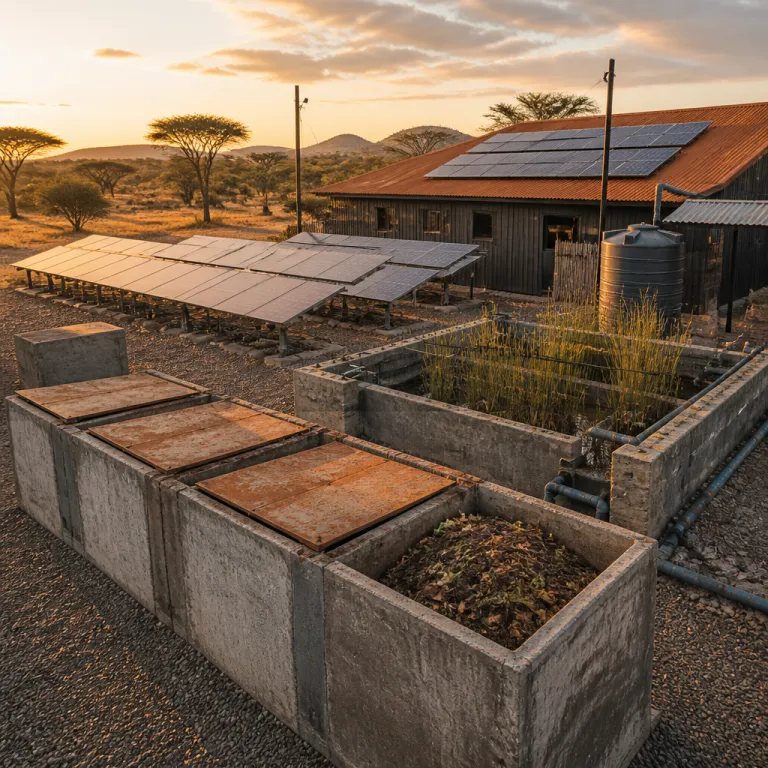
How sustainable safari lodges in Tanzania quietly rewire the bush
Luxury families booking sustainable safari lodges in Tanzania usually focus on wildlife, guides and views. Yet the most sustainable safari properties in this part of Africa are defined just as much by what hums behind the canvas walls as by the elephants outside. A truly sustainable safari camp in Tanzania hides its infrastructure in plain sight, shaping every experience while remaining almost invisible.
Across East Africa, Tanzanian safari camps are shifting from diesel to solar energy, from wasteful plumbing to grey-water gardens and from imported finishes to local materials. This is not a marketing flourish; it is a structural change in how lodges and camps operate year round in fragile national park ecosystems. For families comparing a luxury safari in Tanzania with a trip to South Africa, the difference often lies in how deeply each camp has committed to eco friendly systems that protect wildlife and support the surrounding community, even when that means higher upfront costs or more complex logistics.
Data from regional tourism bodies such as the Tanzania Tourist Board and the Ministry of Natural Resources and Tourism shows a steady rise in eco lodges and certified sustainable travel initiatives across major Tanzania safari regions.1 Tanzanian safari camps and lodges now work with environmental organizations and local suppliers to integrate solar panels, composting systems and grey-water treatment units into their operations. When you choose a sustainable safari in Tanzania, you are not only booking a safari experience; you are buying into a conservation model that links your days in camp to long term benefits for local communities, as highlighted in recent government and IUCN-supported policy briefs on nature-based tourism.2
Energy at camp: solar panels, silent nights and the end of diesel
Energy is where the difference between a marketing claim and a genuinely sustainable safari lodge in Tanzania becomes obvious. At Ubuyu in Ruaha, for example, the camp reports internally that more than 90% of its annual electricity demand is met by solar power, with panels tucked behind acacia trees and battery banks hidden in service tents.3 Guests feel the impact not through technology tours, but through the deep quiet of nights without diesel generators and the soft hum of fridges powered by the sun.
Across Tanzania, more luxury lodges are following this model, replacing noisy generators with solar arrays sized for year round use. Families returning from game drives in Ruaha National Park or a national park near the Serengeti–Ngorongoro corridor now find charging stations powered by sunlight rather than fuel trucks. This shift matters for wildlife, because reduced noise and fumes around camps help keep skittish species closer, subtly improving every safari experience without adding pressure on the ecosystem, a point echoed in guidance from the Tanzania National Parks Authority (TANAPA).4
Solar energy utilization also changes how camps plan their days in Tanzania, from laundry schedules to kitchen operations. Managers at eco lodges in safari Tanzania regions now design menus, refrigeration and even spa treatments around predictable solar capacity, rather than the on demand burn of diesel. As one Ruaha camp manager explains, “We schedule high-load tasks for peak sunshine hours and keep evenings deliberately low impact, which cuts fuel use and keeps the bush quiet.” The trade-off is that battery storage and inverter maintenance require skilled technicians and regular monitoring. When you read a property claiming to be eco friendly, ask whether the camp runs fully on solar or still relies on generators during peak times, then use guides like our analysis of why we stopped ranking Tanzanian lodges by their Big Five tally to understand how such choices affect the overall safari experiences.
Water, grey-water gardens and the quiet choreography of conservation
Water defines every safari in Tanzania, from the great migration in the Serengeti to the hippo pools of the Ngorongoro Crater. Behind the scenes, sustainable safari lodges in Tanzania treat every litre as a shared resource with wildlife and local communities. The most committed eco lodges now combine rainwater harvesting, low flow fixtures and sophisticated grey-water recycling to reduce their footprint in arid zones, in line with water-use guidelines issued by TANAPA and the Ngorongoro Conservation Area Authority.5
Grey-water gardens are a particularly elegant solution in remote camps. A practical definition used in East African lodge training manuals asks, "What are grey-water gardens?" and answers, "Gardens irrigated using recycled wastewater from sinks and showers."6 In practice, this means your family’s evening showers in a luxury safari tent can end up watering indigenous shrubs that stabilise soil around the camp, rather than draining into fragile river systems that sustain both animals and nearby villages. Some camps report that up to 60–70% of non-potable water used for landscaping now comes from treated grey-water rather than fresh abstraction, figures that are periodically checked through basic water-quality testing.
Families planning a Tanzania safari often ask whether such systems compromise comfort during their days in camp. In well run camps and lodges, the opposite is true; smart plumbing and grey-water treatment units allow long hot showers and proper flushing toilets without guilt. The operational challenge lies in maintaining pumps, filters and testing kits in remote areas. When comparing mid range and luxury options, look for clear explanations of water sourcing, treatment and reuse, especially in national park concessions where sustainable travel policies require camps to truck out black water and rely on grey-water gardens for on site irrigation, a practice referenced in several Ministry of Natural Resources and Tourism environmental management guidelines.7
Composting, construction and how camps work with local communities
Waste is where the romance of a Tanzania safari meets the reality of remote operations. Sustainable safari lodges in Tanzania now treat every bottle, peel and cardboard box as part of a conservation puzzle, not an afterthought. Composting systems, pack in pack out logistics and strict single use plastic bans are becoming standard in the best eco friendly camps, in line with national regulations on plastic carrier bags introduced in 2019.8
Technical guidance used by Tanzanian safari camps notes that "Why is composting important in camps?" and answers, "Reduces waste and enriches soil for gardening."9 On the ground, that translates into kitchen scraps from your family’s breakfast being transformed into compost for herb gardens that supply the same camp kitchen, closing a loop that once relied on imported produce. Several lodges report diverting more than half of their organic waste into compost each season. Many camps now separate waste at source, sending recyclables back to regional hubs while keeping organic matter on site for soil improvement around staff housing and pathways, even though transport to distant recycling centres can be costly and time consuming.
Construction choices reveal just as much about a camp’s sustainable safari credentials. Properties like Ubuyu in Ruaha use timber, thatch and clay that echo traditional Maasai and Hehe forms, employing local builders and artisans rather than importing prefabricated units from South Africa or beyond. As one community liaison officer near Ruaha notes, “Over 70% of our staff are from neighbouring villages, and construction seasons provide some of the best-paying temporary jobs in the area.”10 This approach supports local communities with skilled jobs, reduces transport emissions across East Africa and roots each camp physically and culturally in its landscape, whether near the Serengeti–Ngorongoro corridor or on the fringes of a lesser known national park.
Money, conservation officers and how your booking funds the future
Behind every luxury safari in Tanzania lies a web of fees, permits and conservation levies. For families choosing sustainable safari lodges in Tanzania, the key question is how much of that money reaches wildlife protection and local communities. Government statements from the Ministry of Natural Resources and Tourism and the Tanzania Wildlife Management Authority (TAWA) have highlighted the recruitment of several hundred additional rangers and conservation officers over recent years, alongside strategic alliances with organizations such as the International Union for Conservation of Nature (IUCN), signalling a stronger enforcement framework for eco tourism.11
National park authorities across Tanzania now channel a portion of park fees and concession payments directly into anti poaching patrols, habitat restoration and community projects. TANAPA and the Ngorongoro Conservation Area Authority both publish summaries showing that a share of tourism revenue supports education, health and infrastructure in surrounding districts.12 When you pay a premium for eco lodges or a carefully designed budget safari, you are helping fund ranger salaries, school programmes and healthcare initiatives in villages that border safari Tanzania areas. The presence of more conservation officers on the ground also means stricter oversight of camps, from waste disposal to off road driving rules that protect sensitive wildlife corridors.
Families planning several days in Tanzania often combine a Tanzania safari with time on the coast, booking through curated platforms that specialise in tailor made Tanzania safari and Zanzibar packages for elevated stays. When using such services, ask for a breakdown of how each camp contributes to conservation and community projects, not just whether it markets itself as eco friendly. A transparent operator will explain which camps support local communities through revenue sharing, which invest in conservation research and which simply comply with minimum regulations while focusing on guest facing experiences, allowing you to align your itinerary with the priorities outlined in official community-based tourism strategies.13
How to verify sustainability claims before you book
Every camp brochure now mentions sustainable travel, but not every property delivers the same depth of commitment. Families booking sustainable safari lodges in Tanzania should approach eco claims with the same rigour they apply to safety standards or child friendly facilities. The goal is not to catch camps out, but to reward those that invest in long term conservation and community partnerships.
Start by asking specific questions about energy, water and waste before confirming your Tanzania safari. Request details on whether the camp runs entirely on solar power, how grey-water is treated, whether composting toilets or conventional systems are used and how often supply trucks bring in bottled water or packaged goods. Serious eco lodges will answer clearly, often sharing diagrams or photos of solar arrays, grey-water gardens and composting bins, while vague responses usually signal a lighter shade of green. A simple checklist helps: ask about percentage of energy from solar, proportion of staff hired locally, and how much waste is recycled or composted on site.
Next, probe the relationship with local communities and national park authorities. Ask how many staff come from nearby villages, whether the camp funds scholarships or healthcare and how it participates in conservation initiatives beyond mandatory fees. For families comparing mid range and luxury safari experiences, these answers can be the deciding factor between two otherwise similar camps, ensuring that your days in Tanzania contribute to both unforgettable safari experiences and measurable benefits for the landscapes and people that make them possible, in line with the responsible tourism principles promoted by Tanzanian park agencies.
FAQ
How do solar panels benefit safari camps in Tanzania ?
Solar panels provide renewable energy for safari camps, reducing reliance on diesel generators that are noisy, polluting and expensive to run in remote areas. In sustainable safari lodges in Tanzania, solar systems power lighting, refrigeration and charging points, allowing camps to operate quietly and efficiently year round. This improves the safari experience for guests and lowers the environmental impact on surrounding wildlife habitats, a benefit recognised in several TANAPA environmental best-practice documents.14
What exactly are grey-water gardens at a safari camp ?
Grey-water gardens use lightly used water from sinks and showers to irrigate plants around a camp. In Tanzania safari regions, this treated water is directed into landscaped beds planted with hardy indigenous species that can filter and absorb it safely. The system reduces pressure on scarce freshwater sources while keeping camps greener without drawing extra water from rivers or boreholes, a technique increasingly referenced in conservation area management plans.15
Are composting toilets comfortable enough for a luxury safari ?
Modern composting toilets in eco lodges are designed to feel similar to conventional flush toilets, with proper seats, ventilation and odour control. For many luxury safari camps in Tanzania, composting is used behind the scenes for staff areas and organic waste, while guest tents feature low flush systems connected to treatment units. When composting toilets are used for guests, they are usually well maintained and explained clearly during your camp briefing, and some camps share figures on how many kilograms of waste are converted into safe compost each season.
How can I tell if a camp really supports local communities ?
Ask for concrete examples such as the percentage of staff hired from nearby villages, the existence of training programmes and any long term projects in education, healthcare or small business support. Camps that genuinely partner with local communities in Tanzania will usually be proud to share names of villages, schools or cooperatives they work with. Vague references to "helping locals" without specifics are a sign to probe further or choose another property, especially when official community-benefit schemes are available through TANAPA or district councils.
Is a budget safari compatible with sustainable travel principles ?
A budget safari can still align with sustainable travel if you choose operators and camps that prioritise conservation and community benefits over unnecessary frills. Look for smaller camps in Tanzania that use solar power, manage waste responsibly and employ local guides, even if the accommodation is more mid range than ultra luxury. Spending less on amenities but more nights in well run eco friendly camps can sometimes create a deeper, more responsible safari experience for families, while still contributing to the conservation funding model described by Tanzanian park authorities.