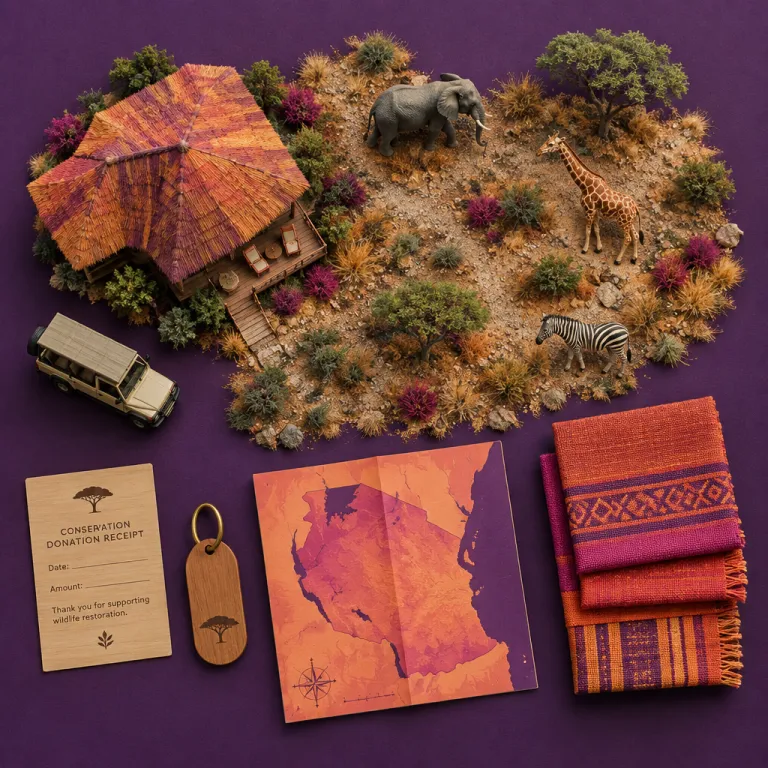
How responsible tourism in Tanzania turns your room rate into protection
Book a luxury stay in Tanzania and your nightly bill can quietly reshape the wild. When responsible tourism in Tanzania is structured well, each family suite and every extra night of holidays funds land leases, anti poaching patrols and long term jobs for local communities. This is where a high yield model of tourism Tanzania, with fewer tourists paying more, becomes the engine that keeps wildlife roaming and national parks intact.
The country has leaned into this high value approach with intent. Tanzania travel receipts reached USD 4.41 billion on 2.29 million arrivals, with spend per night up 19.1 % to USD 289, and that shift underpins how the tourism sector can protect vast ecosystems without chasing mass tourism. When you plan a Tanzania safari or a coastal break, the right property will channel a clear portion of your spend into conservancy fees, park levies and community based leases that secure habitat around national parks and buffer zones.
Think of your stay as a chain of line items with real world impact. Conservation levies on a tanzania safari bill help fund ranger salaries, fuel for patrol vehicles and monitoring of the wildebeest migration corridors that link Serengeti to the Maasai steppe. Community leases mean local landowners are paid to keep rangelands open for wildlife instead of converting them to agriculture, and this is where responsible travel and sustainable tourism in Tanzania will either succeed or fail.
For families using a travel guide or a tour operator to plan travel Tanzania, the key is transparency. Before you visit, ask for a breakdown of park fees, concession charges and any conservation contributions, then read review style reports from independent platforms rather than relying on glossy brochures. Responsible tourism in Tanzania thrives when tourists treat their booking as an investment decision, using travel advice and clear questions to reward the lodges that publish audited impact data and long term commitments to local communities.
From levies to livelihoods: how luxury stays fund people and parks
Behind every chilled towel at check in sits a web of payments that can either entrench inequality or build resilience. In a well designed model of responsible tourism, Tanzania will use conservation levies, park fees and community rents to turn your stay into both habitat protection and dignified work. When you study how sustainable travel functions here, you start to see that the most ethical luxury is often the least visible.
Park fees and conservation levies, which you will see itemised on many invoices, are not arbitrary surcharges. These charges, explained in depth in analyses of how your Tanzanian hotel bill funds the parks you just visited, are the backbone of ranger programmes, ecological monitoring and basic infrastructure that keeps national parks open to both wildlife and tourists. In a country where tourism tanzania is a major foreign exchange earner, these structured payments are what allow a high end camp with only a few tents to support serious conservation work.
Then there are the human stories behind the numbers. When a lodge signs a long term lease with local communities, it pays for the right to operate on village land while committing to jobs, training and shared decision making, and this is where responsible travel becomes a social contract rather than a marketing slogan. Porters on mount Kilimanjaro, guides in the Serengeti and staff in coastal hotels all sit inside this system, and ethical operators publish clear policies on wages, tipping and progression so that sustainable tourism translates into real livelihoods.
For families planning tanzania travel, the most meaningful luxury often lies in these details. Ask how many staff are hired from the immediate local area, how many women hold supervisory roles and whether the property supports community based enterprises such as beadwork cooperatives or cultural experiences with Hadzabe or Maasai hosts. When you read review style feedback, look for mentions of respectful cultural encounters, well briefed guides and long term projects rather than one off donations, because that is where responsible tourism in Tanzania shows its true character.
What genuine community partnership and low volume luxury look like on the ground
Not every property that talks about sustainable tourism in Tanzania lives up to its own language. Some hotels will plant a few trees, sponsor a school visit and call it a day, while others embed community based partnerships into every aspect of their operations. For a premium family choosing where to stay, the difference between tokenism and genuine collaboration is both subtle and decisive.
Real partnership starts with shared governance and long term agreements. When a lodge sits on village land, the most responsible tourism Tanzania models include elected community representatives on management committees, transparent revenue sharing and published reports that local people can scrutinise, and this is where your room rate becomes a predictable income stream rather than a charitable windfall. Families who travel Tanzania with this lens often find that the most rewarding experiences come from properties that treat neighbours as stakeholders, not as a backdrop for safari photos.
On the environmental side, serious operators invest in behind the scenes systems that guests rarely see. Solar arrays, grey water gardens and composting programmes, described in detail in reports on what sustainability looks like behind the scenes at a Tanzanian camp, reduce pressure on fragile ecosystems while keeping your stay quietly comfortable. When you visit during the wildebeest migration or a green season birding trip, these investments ensure that wildlife viewing remains exceptional without overloading water sources or firewood supplies.
For families using a travel guide or a guide Tanzania specialist, asking the right questions is crucial. Request specifics on anti poaching support, such as funding for patrols in nearby national parks, and ask whether your stay helps finance scholarships or training for young local guides and porters. Responsible travel in Tanzania will feel different on the ground, with staff confident enough to share their own stories, children in nearby villages benefiting from tourism sector scholarships and local communities choosing how tourism grows on their land.
How to verify sustainability claims before you book your Tanzanian stay
As World Tourism Day approaches, the marketing noise around responsible tourism in Tanzania inevitably grows louder. Families planning holidays that combine a Tanzania safari, a few days on the Swahili coast and perhaps a Kilimanjaro view need a clear filter. The goal is not cynicism, but a calm, informed scepticism that turns you into an ally for the best operators.
Start with the basics before you travel Tanzania for the first time. Any serious tour operator or hotel should be able to share a concise sustainability policy, recent impact data and references to independent audits, and if they cannot, that silence speaks volumes about how they view responsible travel. When you read review content on specialist platforms such as MyTanzaniaStay, look for consistent mentions of respectful wildlife viewing, well trained guides and meaningful engagement with local communities rather than generic praise.
Then move to the specifics that matter for your family. Ask how game drives are managed during peak wildebeest migration months, whether vehicles maintain distance from wildlife and how many guests share a vehicle, because overcrowding erodes both animal welfare and your own experience. For those considering a trek on Mount Kilimanjaro, request written policies on porter welfare, tipping guidelines and maximum loads, since ethical treatment of porters is a non negotiable pillar of sustainable travel in this country.
Finally, follow the money. Request clarity on what percentage of your bill goes to park fees, conservation levies and community projects, and ask whether the property supports community based tourism initiatives such as cultural walks with Hadzabe families or village visits that are designed and led by local people. Responsible tourism Tanzania models that stand up to scrutiny will answer these questions with ease, and over time, this quiet consumer pressure will reward the lodges whose business practices genuinely rebuild the wild.
FAQ
How can I tell if a Tanzanian safari lodge is genuinely responsible ?
Look for clear, recent information on conservation funding, community partnerships and staff welfare, not just vague green language. Ask for specifics on park fees, community leases and training programmes for local guides and porters, then compare those answers with independent travel advice and specialist reviews. A genuinely responsible property in Tanzania will welcome detailed questions and provide concrete examples rather than generic promises.
Does choosing a high end camp really help wildlife more than a cheaper option ?
In Tanzania, the high yield, low volume model means that fewer guests paying higher rates can fund large conservation areas without the environmental pressure of mass tourism. When a luxury camp channels a significant share of each bill into park fees, anti poaching work and community leases, every stay supports both wildlife and local livelihoods. The key is to verify that these mechanisms exist and are transparent before you book.
What should families ask about before booking a Mount Kilimanjaro trek ?
Families should request written policies on porter welfare, including maximum loads, minimum wages and tipping structures, as well as details on guide training and safety protocols. Ethical tour operators on Mount Kilimanjaro will also explain how their climbs support local communities through jobs, education funds or environmental projects. If an operator cannot answer these questions clearly, consider it a warning sign.
Are cultural visits with local communities in Tanzania respectful for children to join ?
Well designed cultural experiences, especially those that are community based and led by local hosts, can be enriching and respectful for children. Look for visits where communities set the agenda, control group sizes and receive direct payment, whether you are meeting Hadzabe hunter gatherers or coastal artisans. Avoid any activity that feels staged, intrusive or focused on photographing people rather than genuine exchange.
How does my hotel choice affect the future of national parks in Tanzania ?
Your choice of hotel directly influences how much funding flows to national parks and surrounding buffer zones. Properties that prioritise conservation levies, long term land leases and local employment help secure habitat for wildlife and stable income for neighbouring villages. Over time, consistent support for these operators strengthens the entire tourism sector and protects the landscapes you travel to see.