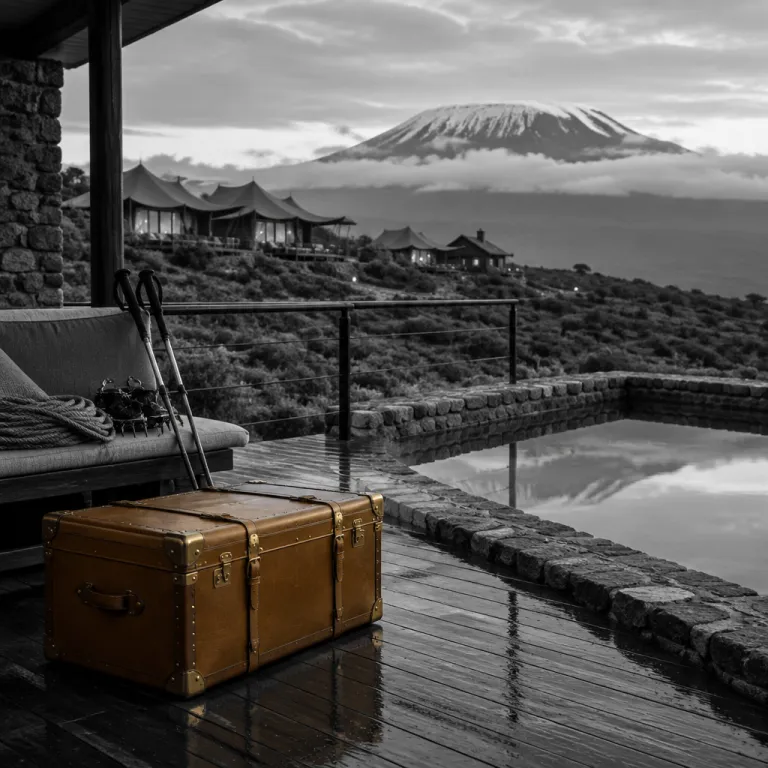
How Kilimanjaro hike price shapes a luxury Tanzania itinerary
Kilimanjaro hike price is the pivot around which many luxury Tanzania itineraries are built. When you plan to climb Kilimanjaro and book premium hotels, the cost of the mountain expedition will influence how many days you spend in Arusha, the Serengeti, or on Zanzibar. Understanding how each route, each day on the mountain, and each level of comfort affects the total cost of your trek helps you balance summit success with indulgent stays before and after the ascent.
Most travelers begin their trip with a night or two in a high end hotel in Arusha, where you can meet your guide, check equipment, and adjust your budget expectations for the climb. Luxury properties near Mount Kilimanjaro International Airport often work closely with reputable Kilimanjaro operators and can help you contact trusted companies that offer both private climbs and small group departures. When you compare Kilimanjaro hike price options, ask how many route days are included, what park fees are covered, and whether transfers between the national park gates and your hotel are part of the package.
The mountain itself offers several ways to climb Kilimanjaro, and each route has a different impact on your budget and your comfort. The Lemosho route and the Machame route are the most popular choices for travelers who want a balance between cost and summit success, while still leaving spaces in the schedule for rest in premium lodges. Longer climbing itineraries of seven or eight days usually have higher success rates because they allow more time to acclimatize and reduce the risk of altitude sickness, which is crucial when you are investing in both a high end hotel stay and a demanding climb.
Comparing routes, days, and comfort levels for premium travelers
For travelers booking luxury hotels, the choice between the Lemosho route and the Machame route often starts with how many days you can spend on the mountain. A six day Machame itinerary may offer a lower initial cost, but many experienced guides suggest seven route days for better summit success and a more relaxed pace. When you compare Kilimanjaro trek prices, remember that each extra day increases park fees, guide wages, and the cost of food, yet it also increases your chances of a safe and enjoyable climb.
The Lemosho route is frequently recommended for travelers who want quieter trails and more scenic variety, which pairs well with a premium Tanzania trip that includes stylish lodges and curated experiences. Many companies offer Lemosho route climbs of seven or eight days, and these longer climbs usually have higher success rates because they give your body more time to adjust to the high altitude. If you are staying in a luxury hotel before the climb, ask the concierge to contact several operators so you can compare not only the overall trekking cost but also the ratio of guides and porters to guests, the quality of tents, and the standard of mountain food.
Between summit days and safari days, the rhythm of your trip matters as much as the price. Some travelers prefer to climb Kilimanjaro first, then reward themselves with a stay in a premium camp where a gourmet bush breakfast turns a simple meal into a highlight of the day. Others choose to spend a few days in a national park such as Tarangire or the Ngorongoro Conservation Area before their Kilimanjaro climb, using the safari to shake off jet lag and settle into the Tanzanian pace of life.
Balancing low budget climbs with premium hotels and services
Not every traveler who stays in a luxury hotel wants a fully high end climb, and some guests look for a low budget Kilimanjaro climb while still enjoying premium accommodation before and after the expedition. In these cases, the overall Kilimanjaro hike price becomes a careful equation between saving on the mountain and spending on exceptional lodges, private transfers, and curated experiences such as a refined sundowner ritual. A well chosen mix of low budget operators and premium hotels can still deliver a memorable trip, provided you pay close attention to safety and service standards.
When you evaluate low budget options, ask each of the Kilimanjaro operators how they structure their pricing and what is included in the advertised rate. Responsible budget operators should be transparent about park fees, wages for guides and porters, the quality of camping equipment, and the type of food served on the mountain, because these elements directly affect your comfort and your summit success. If a quote seems unusually low, check whether the company is cutting corners on safety, such as carrying insufficient oxygen, ignoring altitude sickness protocols, or overloading porters, which can turn a dream climbing trip into a stressful experience.
Many luxury travelers prefer to save on some aspects of the climb while investing in special moments at their hotels, such as a carefully staged sundowner ritual in a Tanzanian lodge. This approach allows you to keep the overall Kilimanjaro hiking cost within your budget while still enjoying high thread count linens, attentive service, and creative cuisine on either side of the mountain days. The key is to remain open to different combinations of routes, operators, and hotel categories, so you can tailor the trip to your personal priorities without compromising safety or comfort.
What is included in Kilimanjaro hike price and how hotels fit in
When you receive a quote for a Kilimanjaro climb, it is essential to understand exactly what the Kilimanjaro hike price covers and what remains separate, especially if you are booking luxury hotels independently. Most reputable companies include national park fees, camping equipment, meals on the mountain, wages for guides and porters, and transfers between your hotel and the park gates in their package price. However, pre and post climb accommodation, international flights, travel insurance, and personal gear are usually excluded, so you must factor these into your overall budget for the trip.
Park fees for Mount Kilimanjaro are set by the Tanzanian authorities and are charged per person per day, which means that longer route days on the Lemosho route or the Machame route will naturally increase the total cost. These fees cover camping, rescue services within the national park, and conservation efforts that help protect the mountain environment for future generations of climbers. Because park fees are non negotiable and the same for all operators, the main differences in Kilimanjaro hike price between companies usually come from the level of service, the experience of the guide team, and the quality of the food and equipment.
Luxury and premium hotels in Arusha and Moshi often offer special packages that integrate a Kilimanjaro climb with nights in their suites, private airport transfers, and sometimes even spa treatments tailored to post climbing recovery. When you contact these properties, ask whether they partner with specific Kilimanjaro operators and whether they can secure open spaces on popular route dates during peak season. This coordination can be especially valuable if you are planning a complex itinerary that includes both a demanding mountain climb and several days in high end safari lodges or on the beaches of Zanzibar.
Health, safety, and summit success for discerning guests
For travelers who are used to premium hotels and attentive service, the health and safety standards on the mountain are just as important as the thread count of the sheets in their suite. Altitude sickness is the main medical risk when you climb Kilimanjaro, and the best operators manage this risk through careful pacing, extra acclimatization days, and well trained guides who can recognize early symptoms. When you compare Kilimanjaro hike price offers, ask each company about their success rates, their emergency protocols, and the medical training of their guide teams.
Longer itineraries on the Lemosho route or the Machame route often cost more, but they significantly improve your chances of summit success because they give your body more time to adapt to the high altitude. Many experienced climbers consider seven or eight days on the mountain to be the sweet spot between budget and safety, especially for guests who are combining the climb with a luxury safari or a stay in a premium coastal resort. Travel insurance that covers high altitude trekking, medical evacuation, and trip interruption is essential, and you should confirm that your policy explicitly includes climbing Kilimanjaro within the national park boundaries.
Before you leave your hotel for the start of the climb, review your gear with your guide and make sure you have appropriate clothing for both warm days and very cold nights near the summit. Good operators will provide a detailed packing list and will often check your equipment in person, suggesting rentals for any missing high performance items that are crucial for safety and comfort. This attention to detail, combined with the restorative comfort of a luxury hotel before and after the climb, can make the difference between a stressful rush to the summit and a well paced journey that respects both your body and your budget.
Designing an adventure escape that blends Kilimanjaro and luxury stays
Designing an adventure escape that combines a Kilimanjaro climb with luxury and premium hotels across Tanzania requires more than simply comparing Kilimanjaro hike price tables. You need to think about how the physical demands of the mountain will shape the rest of your trip, from the number of days you can spend on safari to the type of relaxation you will want after standing on the summit of Mount Kilimanjaro. Many travelers choose to start with a few calm days in a refined lodge, then tackle the mountain, and finally end with a coastal retreat where they can reflect on their success.
When you plan your route, consider how each segment of the journey will feel, not just how much it will cost. A seven day Lemosho route climb followed by three days in the Serengeti and four days on Zanzibar offers a very different rhythm from a shorter Machame route climb combined with a longer safari in the Ngorongoro region, even if the total budget is similar. By working closely with both your chosen operator and your preferred hotels, you can create an itinerary that leaves enough open spaces for rest, spa treatments, and unhurried meals, while still maximizing your chances of summit success on the mountain.
Premium travelers often appreciate small details that make the transition between the rugged world of climbing and the refined world of luxury hospitality feel seamless. Private transfers between the national park gates and your hotel, flexible check in times that accommodate late descents from the mountain, and thoughtful touches such as a warm bath or a tailored massage on arrival can transform a demanding climb into a holistic travel experience. When you contact your hotel to finalize the booking, share your full climbing schedule, including route days and expected summit day, so the équipe can anticipate your needs and coordinate with your guides and porters and operators if any changes arise.
Choosing reputable operators and hotels for a trustworthy experience
Selecting the right combination of Kilimanjaro operators and premium hotels is the foundation of a safe and rewarding adventure escape in Tanzania. Reputable companies are transparent about their Kilimanjaro hike price structure, clearly listing park fees, guide and porter wages, equipment quality, and the level of support provided on the mountain. They also maintain strong relationships with high end hotels, which allows them to secure spaces during busy periods and to coordinate logistics such as early breakfasts, late checkouts, and secure gear storage.
When you research operators, look for those with consistently high success rates on both the Lemosho route and the Machame route, and pay attention to how they talk about altitude sickness management and porter welfare. Some travelers are drawn to well known brands such as Ultimate Kilimanjaro, Thomson Safaris, or Altezza Travel, while others prefer smaller budget operators that still maintain rigorous safety standards and ethical employment practices. Whatever your preference, take the time to contact past clients, read detailed trip reports, and compare not only the trek price but also the level of communication and support you receive before you even set foot on the mountain.
On the hotel side, prioritize properties that understand the specific needs of guests who are climbing Kilimanjaro, from early morning departures to late night returns after long days of travel. Many luxury lodges in Arusha and the northern safari circuit offer tailored services for climbers, such as secure luggage storage for gear, flexible meal times, and staff who can liaise with your guides and porters and operators if your schedule changes due to weather or health considerations. By aligning trustworthy operators with hotels that share the same commitment to service and safety, you create a coherent journey where every day, from the first night in Tanzania to the final toast after summit success, feels carefully orchestrated.
Key figures that influence Kilimanjaro hike price and planning
- Park fees for Mount Kilimanjaro typically account for around 40 to 50 percent of the total Kilimanjaro hike price for a standard climb, because they are charged per person per day and include conservation, camping, and rescue services within the national park (see current fee tables on the Tanzania National Parks Authority website, tanzaniaparks.go.tz).
- Success rates on seven or eight day routes such as the Lemosho route and the Machame route often reach 85 to 90 percent for healthy trekkers, compared with significantly lower rates on five or six day itineraries, which is why many operators recommend longer route days for better acclimatization (based on aggregated statistics published by major Kilimanjaro outfitters and summarized on specialist trekking resources).
- Guides, porters, and support staff usually represent 30 to 40 percent of the operational trek cost, reflecting wages, training, and logistics, and ethical operators factor fair compensation into their Kilimanjaro hike price rather than offering unsustainably low quotes (see guidelines from the Kilimanjaro Porters Assistance Project, kilimanjaraporters.org).
- Travel insurance that covers high altitude trekking and medical evacuation typically adds between 4 and 8 percent to the overall trip budget, yet it can save tens of thousands of dollars in the rare event of a serious altitude sickness emergency requiring evacuation (figures drawn from international travel insurance providers that cover trekking to 6 000 metres).
- Luxury hotel stays before and after the climb can range from 150 to more than 600 euros per night in northern Tanzania, which means that two or three nights in premium accommodation may equal or exceed the cost of one extra day on the mountain, a trade off that many travelers weigh carefully when planning their itinerary.
- As a practical example, a seven day Machame climb for two people might total around 6 000 euros, including roughly 2 700 euros in park fees, 2 100 euros for guides and porters, 600 euros for food and equipment, and 600 euros in operational overheads, while three nights in a luxury Arusha lodge at 350 euros per night would add about 1 050 euros to the overall trip budget.
Frequently asked questions about Kilimanjaro hike price and luxury stays
How much should I budget for a Kilimanjaro climb with premium hotels ?
For a well run seven day climb on a popular route such as Lemosho or Machame, most travelers should expect to pay a Kilimanjaro hike price of roughly 2 500 to 4 500 euros per person, depending on group size and service level. When you add two or three nights in luxury hotels before and after the climb, plus transfers and travel insurance, the total trip budget often ranges between 4 000 and 7 000 euros per person. The final amount will vary depending on your choice of route days, hotel category, and whether you travel in peak or shoulder season.
Which Kilimanjaro route offers the best balance of cost and summit success ?
The Machame route and the Lemosho route are widely regarded as offering the best balance between cost, scenery, and summit success for most travelers. Machame is slightly more affordable and can be done in six or seven days, while Lemosho is usually a day longer and often quieter, which many premium travelers appreciate. In both cases, choosing at least seven days on the mountain significantly improves acclimatization and reduces the risk of altitude sickness compared with shorter itineraries.
Are low budget operators safe for a Kilimanjaro climb ?
Some low budget operators maintain excellent safety standards, but others cut corners on equipment, food, or staff welfare to reduce the Kilimanjaro hike price. When evaluating budget options, ask detailed questions about guide training, emergency oxygen, altitude sickness protocols, and the treatment of guides and porters, and be wary of quotes that are far below the market average. For travelers staying in luxury hotels, it often makes sense to choose a mid range or premium operator that aligns with the same safety and service expectations as your accommodation.
How far in advance should I book my Kilimanjaro climb and hotels ?
For peak seasons, it is wise to contact operators and hotels at least six to nine months in advance to secure spaces on your preferred route and room category. Popular dates on the Lemosho route and the Machame route can fill quickly, especially for private climbs and suites in high end lodges. Early booking also gives you more time to train, arrange travel insurance, and coordinate complex itineraries that combine the mountain with safaris or beach stays.
Do I need special travel insurance for climbing Kilimanjaro ?
Yes, you should purchase travel insurance that explicitly covers trekking to the summit of Mount Kilimanjaro, including high altitude, medical evacuation, and trip interruption. Standard policies sometimes exclude activities above certain elevations, so read the conditions carefully and confirm coverage in writing if necessary. This protection is especially important when your trip includes both an expensive climb and non refundable bookings at luxury hotels and safari lodges.