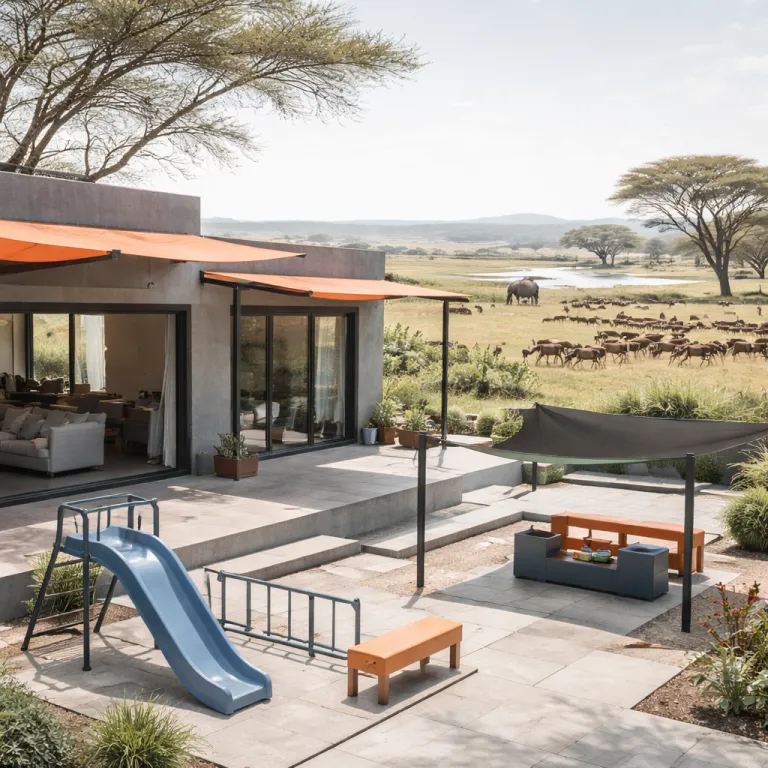
Reading the migration calendar when you travel with children
Planning a family migration camp Serengeti journey starts with the calendar. For parents, the best season is not only about peak wildlife but also school holidays and how each person in the family copes with long travel days. The Great Migration moves constantly, so the right camp in the right area matters more than a fixed date on your safari wish list.
From December to March, herds gather in the Ndutu area on the southern plains, and this is where a mobile migration camp often moves to follow the wildlife. This December–March window brings calving, gentle rolling grasslands and shorter game drives, which suits younger children who tire quickly during long hours of game viewing in a vast national park. Families flying into Ndutu Airstrip usually find softer light, easier temperatures at night and a calmer pace than the intense drama of the northern Serengeti later in the season.
By July to October, the migration pushes towards the northern Serengeti and the Mara River, where river crossings create the classic Serengeti migration spectacle. These months line up neatly with many international school holidays, but they also mean longer days in the vehicle and more focused game drives near the river. When you enquire about dates, ask each camp Serengeti team exactly where their tents will be pitched in that season, because some camps and lodges are mobile while others stay fixed inside Serengeti National Park.
Which migration camps genuinely work for families
Not every migration camp in park Tanzania is designed with children in mind. Some focus on ultra-remote romance, while others quietly invest in family tents, flexible game packages and guides who understand how to pace a safari for younger guests. The family migration camp Serengeti options that stand out combine serious wildlife access with layouts and policies that respect how families actually move through a day.
Serengeti Migration Camp, set along the Grumeti River, offers spacious tents with solid decks and proper beds, giving each person a sense of security even when wildlife grazes nearby at night. Nyikani Migration Camp in the Ndutu area leans into family-friendly design, with tents that can be configured for parents and children while still feeling like a classic African safari camp. Siringit Migration Camp adds inter-connected family tents, which work beautifully when older children want a little independence but parents still need to hear every zip and whisper after dark.
For families who want refined comfort near the southern plains, pairing a migration-focused stay with a few nights at a property such as Mwiba Lodge in the southern Serengeti can create a balanced itinerary. One guide described how a family split their week between Mwiba’s pool and spa and a lighter-footprint migration camp Serengeti experience, saying the children “arrived at the mobile camp already rested and curious, not exhausted.” When you enquire with any of these camps or lodges, ask directly about minimum ages on game drives, whether a private vehicle is required for younger children and how far the nearest airstrip is from camp.
Minimum ages, game drives and what “family friendly” really means
Age policies around game drives in Serengeti National Park can be confusing for first-time safari parents. A camp may market itself as family friendly, yet still restrict shared vehicle game viewing to children above a certain age, which changes the cost structure immediately. Understanding how each migration camp interprets safety and comfort for younger guests is as important as choosing the best view of the river.
Many camps in northern Serengeti set a minimum age of around six to eight years for shared game drives, because long hours near the Mara River and intense river crossings demand quiet focus. If your child is younger, you may need to book a private vehicle as part of your game package, which can be worth the investment for flexible timings and the ability to return to camp after just one hour if needed. As a rough guide, some operators quote private vehicle supplements from about USD 350–600 per day, though exact figures vary by season and operator, so it is important to confirm current rates. Some camps and lodges offer shorter nature walks inside the camp area during the day, using field guides and binoculars to keep restless children engaged between drives.
Vehicle density also shapes the family experience, especially in the busy Seronera core of Serengeti National Park. Before you commit, read analyses such as the overview of how Serengeti caps daily vehicles in Seronera, which explains how to read the new safari map and avoid the most congested sectors. Then, when you enquire with a camp Serengeti operator, ask where their guides prefer to position for game viewing during peak Serengeti migration, and whether they can adjust routes to suit a child who might need a break from the action.
Sleeping under canvas and under the stars with children
For many families, the idea of sleeping in tents in the African bush is both thrilling and slightly daunting. A well-run family migration camp Serengeti stay turns that nervous energy into a sense of ritual, from hot water bottles tucked into beds to the escort who walks you safely back to your tent at night. The question is how far you want to lean into adventure, especially when camps introduce sleep-under-the-sky experiences.
Lemala properties in northern Serengeti have introduced Star Beds, where for one night you can sleep on an elevated platform under the open sky, listening to the distant rumble of the river and the low calls of wildlife. This can be magical for older children who already feel comfortable with the sounds of the bush after a few nights in camp, but it may overwhelm younger ones who are still adjusting to the idea of lions roaring near a migration camp. Parents should enquire carefully about safety protocols, age limits and whether a guide or askari remains on watch throughout the night before committing to this kind of experience.
Whatever level of adventure you choose, remember that “Are these camps safe for children? Yes, with proper supervision and adherence to camp guidelines.” Camps that earn the family-room label usually have clear pathways, good lighting and staff trained to walk every person between tents and the main area after dark. One mother recalled how her youngest insisted on holding the ranger’s hand every evening, turning the short walk to their tent into a nightly story time. When comparing options, ask whether the camp moves seasonally between Ndutu and northern Serengeti, how close it sits to the nearest airstrip and whether they can arrange a gentle hot air balloon flight at dawn for a different perspective on the Great Migration.
Logistics, internal flights and choosing your family’s migration map
Reaching a family migration camp Serengeti base almost always involves at least one internal flight. Small aircraft serving Ndutu Airstrip and the northern Serengeti strips have strict weight limits, so each person needs to pack soft bags and keep luggage lean. Typical allowances on these bush flights are around 15–20 kg per person including hand luggage, which makes advance planning essential. This is where a well-planned game package, including transfers between airstrip and camp, removes friction from the journey.
On board, children usually sit close to the pilot, watching the patchwork of park Tanzania unfold below, from the open plains of Serengeti National Park to the darker ribbon of the Mara River. Once you land, the first game viewing moments often begin immediately, because wildlife ignores the imaginary line between airstrip and camp Serengeti boundaries. Guides in 4WD vehicles know how to turn that short transfer into a gentle introduction, pointing out giraffe and zebra before the more intense scenes of river crossings or predator action later in the stay.
To map out where to go beyond the migration corridor, use resources such as this region-by-region guide to where to stay in Tanzania for first timers, then layer in your chosen migration camp dates. Families often combine Ndutu in December–March with a different national park or coastal break, while others focus solely on northern Serengeti in July–October for the best chance of witnessing Serengeti migration drama. Whatever you choose, enquire early, because only a small percentage of Serengeti is covered by mobile camps and the most family-suitable camps and lodges near prime wildlife corridors book out quickly.
FAQ
Are migration camps in the Serengeti safe for children at night ?
Yes, migration camps in Serengeti National Park are designed with safety protocols such as escorted walks, clear pathways and strict rules about moving after dark. The key is that parents follow camp guidelines closely and ensure children understand why they cannot wander between tents alone. When you enquire, ask each camp to explain their specific night procedures and how staff support families.
What is the best time for families to see the great migration ?
The best time for families depends on school holidays and your children’s ages. December to March in the Ndutu area offers shorter game drives, open plains and calving, which suits younger children, while July to October in northern Serengeti focuses on Mara River crossings and more intense game viewing. Both seasons provide incredible wildlife, so choose the window that matches your family’s energy and travel rhythm.
Do migration camps offer educational activities for kids during the day ?
Many migration camps run informal educational activities such as nature walks around the camp area, tracking lessons and talks about African wildlife and conservation. Some guides use field guides and binoculars to turn even a quiet hour between game drives into a learning experience. When you enquire, ask specifically about child-focused activities and whether they can tailor content to your children’s ages.
How do internal flights and airstrips work for families in the Serengeti ?
Families usually fly in small aircraft from Arusha or other hubs to airstrips such as Ndutu Airstrip or those in northern Serengeti. These flights have strict luggage limits and prefer soft bags, so packing light is essential, especially when each person needs warm layers for night and cooler clothing for daytime game drives. Camps typically include transfers from the airstrip in their game package, turning the drive into your first short safari.
Should families choose one migration camp or combine several camps lodges ?
Combining more than one migration camp or lodge can work very well for families who want different styles of experience. A few nights in a mobile camp near the Great Migration, followed by time in a more permanent lodge elsewhere in park Tanzania, balances intense wildlife with rest and amenities such as pools. The decision depends on your children’s stamina, so discuss realistic drive times and flight connections with your chosen operator before you book.