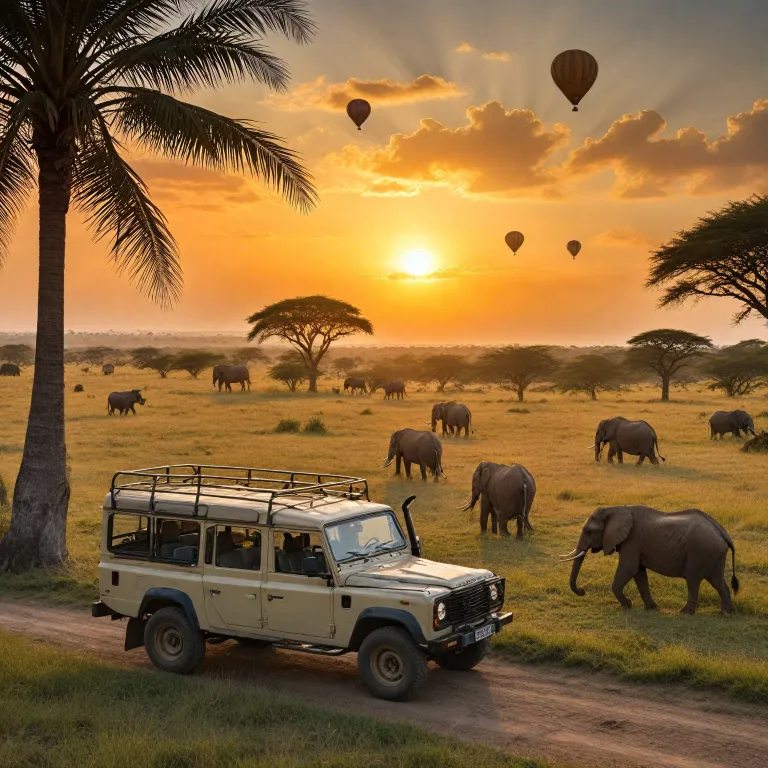
How seasons shape the best time to travel to Tanzania
Choosing the best time to travel to Tanzania is the first real luxury. The country’s position in East Africa creates distinct patterns of dry season and rainy season, and each season transforms how you experience wildlife, lodges, and coastal retreats. When you plan your days around these shifts, every national park visit, safari drive, and Zanzibar stay feels intentional rather than improvised.
From June to October, the dry season is widely regarded as the best time for a classic Tanzania safari. Vegetation thins, water sources shrink, and wildlife concentrates around rivers and waterholes, which makes game viewing in every national park remarkably rewarding. This period is also the peak season, when the great migration herds move through Serengeti National Park and northern Tanzania, and when premium lodges command higher USD rates and fill quickly.
Between November and March, short rains usher in a lush green season that many seasoned travelers consider the tanzania best kept secret. Skies clear between showers, landscapes glow, and the southern and western parks feel quieter, which suits guests seeking privacy in high end lodges. This is also a beautiful time to visit Tanzania for birding, calving in the Serengeti, and combining a softer paced safari beach itinerary with several relaxed Zanzibar days.
Aligning luxury safaris with the great migration and wildlife highlights
For many travelers, the best time to travel to Tanzania is defined by the great migration. In Serengeti National Park, immense herds of wildebeest and zebra move with the rains, and timing your Tanzania safari around their movements requires careful planning. The Tanzania Tourism Board notes that “The best time to witness the Great Migration river crossings in the Serengeti is between July and September.”
During these months, the herds often gather near the Mara River in northern Tanzania, creating dramatic crossings that have made this corner of Africa famous. Luxury lodges position seasonal camps close to the action, so your game drives are shorter and your time in the field is maximized. Because this is the peak season for both Kenya Tanzania and wider East Africa, rates in USD are higher, and availability in serengeti national lodges can be limited without early booking.
Outside these peak days, the migration still offers extraordinary scenes in different parts of the park. Early in the year, calving on the southern plains delivers intense predator action, which many consider the best safari spectacle despite softer light rains. When you visit Tanzania with a specialist operator, they will match your preferred travel time, budget in USD, and appetite for crowds to the right region, ensuring your time visit aligns with your expectations.
Balancing dry season clarity and rainy season value for premium stays
Weather is central to defining the best time to travel to Tanzania for luxury and premium hotel stays. The long dry season from June to October offers clear skies, cooler nights, and minimal rainfall, which suits guests who prioritize comfort, crisp photography, and predictable logistics. During this dry season, roads in each national park are generally easier to navigate, and internal flights linking safari and Zanzibar beach resorts run with fewer weather related disruptions.
However, the rainy season brings its own advantages for discerning travelers who value space and value. In the green months, many lodges in Tanzania adjust their USD pricing, creating a low season that still delivers high quality guiding and wildlife, especially for birdlife and dramatic skies. Some remote camps may close during the heaviest rains, yet those that remain open often feel more intimate, with staff able to personalize every safari and spa treatment.
For travelers planning a combined safari beach escape, the shoulder periods at the start or end of the rains can be the tanzania best compromise. You might spend several days in a northern Tanzania national park when crowds thin, then fly to Zanzibar for warm seas and quieter beaches. When you visit Tanzania in these transitional windows, you often secure premium suites, longer Zanzibar days, and more flexible experiences for the same overall USD budget.
Designing a safari and Zanzibar itinerary around ideal trip length
Understanding how many days you need is as important as choosing the best time to travel to Tanzania. Luxury travelers often underestimate distances between each national park, coastal region, and island, which can compress their time visit and reduce the sense of ease. A thoughtful itinerary usually starts with at least five to seven days on safari, followed by three to five Zanzibar days for a balanced safari beach combination.
In northern Tanzania, a classic circuit might include Serengeti National Park, the Ngorongoro Crater, and another national park such as Tarangire or Lake Manyara. During the dry season, this route offers concentrated wildlife, while in the rainy season it reveals lush scenery and fewer vehicles at key viewpoints. High end lodges along this route often include guided safari drives, conservation fees, and some drinks in their USD rates, which simplifies budgeting.
After your Tanzania safari, flying to Zanzibar allows you to slow the pace without losing a sense of place. Many premium hotels on the island curate experiences that connect you back to mainland Africa, from Swahili cooking classes to dhow cruises at sunset. For deeper guidance on aligning wellness, spa experiences, and premium stays with your chosen season, you can consult a specialist resource such as a guide to luxury wellness retreats and premium hotel booking in Tanzania.
Choosing national parks and lodges by region and season
The best time to travel to Tanzania also depends on which region and national park you prioritize. Northern Tanzania, anchored by Serengeti National Park and the Ngorongoro Crater, is the most visited area and offers strong wildlife viewing in almost every season. During the dry season, these parks deliver some of the best safari conditions in Africa, with big cats, elephants, and plains game visible across open grasslands.
In contrast, southern and western Tanzania feel wilder and more remote, particularly in the low season when visitor numbers drop. Here, a Tanzania safari often focuses on walking, boating, and longer game drives, with lodges emphasizing privacy and immersion rather than sheer volume of sightings. Because access can be more weather dependent in the rainy season, many travelers choose to visit Tanzania’s southern parks in the cooler, drier months when flight schedules are more reliable.
Wherever you travel, lodge selection is central to your experience and your USD budget. Premium lodges in every national park now emphasize sustainability, partnering with local communities and conservation projects across East Africa. When you compare options in Kenya Tanzania and beyond, consider not only the headline rate but also what is included, how many days you will stay, and how the lodge’s location aligns with the great migration, the Mara River, or your preferred balance of activity and relaxation.
Practical planning tips for timing, budgets, and cultural experiences
Once you have identified the best time to travel to Tanzania for your style, practical planning ensures a smooth journey. Booking flights, internal connections, and lodges well ahead of the peak season protects you from last minute price surges in USD and limited room categories. During the dry season, this is especially important in Serengeti National Park and around the Ngorongoro Crater, where demand for suites with views of wildlife filled plains is intense.
Travelers who are flexible on dates can often secure excellent value in the low season or shoulder periods. Visiting during the rainy season does not mean compromising on quality, as many Tanzania safari operators maintain top guiding standards year round. “Visiting during the green season (November to March) offers lush landscapes and excellent birdwatching opportunities, though some areas may be less accessible.”
Beyond wildlife, timing your visit Tanzania trip around cultural events can deepen your connection to East Africa. Festivals in Zanzibar and on the mainland bring music, film, and food to the forefront, and many premium hotels curate access with private transfers and hosted evenings. Whether you travel in the tanzania best dry months or the softer green season, aligning your days with both natural and cultural calendars ensures that your time visit feels rich, layered, and genuinely memorable.
Key statistics for planning your Tanzania journey
- Annual visitors to Serengeti National Park: 350 000 people, reflecting its status as one of Africa’s best safari destinations.
- Peak season in northern Tanzania coincides with the great migration, when demand for lodges near the Mara River is at its highest.
- Low season during parts of the rainy season often brings reduced USD rates at premium lodges while maintaining strong wildlife viewing.
Essential questions about the best time to travel to Tanzania
What is the best time to see the Great Migration in Tanzania?
The best time to see the great migration in Tanzania depends on which stage you wish to witness. For dramatic river crossings in Serengeti National Park, the most reliable period is usually between July and September, when herds gather near the Mara River in northern Tanzania. If you prefer calving and predator interactions, the early months of the year on the southern plains can be equally compelling, especially for photographers.
Is it advisable to visit Tanzania during the rainy season?
Visiting Tanzania during the rainy season can be very rewarding for certain travelers. Landscapes are lush, birdlife is prolific, and some lodges offer attractive USD rates that make extended stays more accessible. The trade off is that some remote areas and a few lodges may close during the heaviest rains, so working with a specialist who understands seasonal access in each national park is essential.
Are there any cultural events in Tanzania that travelers should consider?
Cultural events can significantly enrich your visit Tanzania itinerary, especially if you enjoy music, film, and local traditions. On Zanzibar and the mainland, festivals bring together artists from across Kenya Tanzania and wider East Africa, creating vibrant atmospheres that contrast beautifully with quiet safari days. Aligning your travel time with these events, while still respecting the best season for wildlife, allows you to experience both the natural and cultural heart of Tanzania.