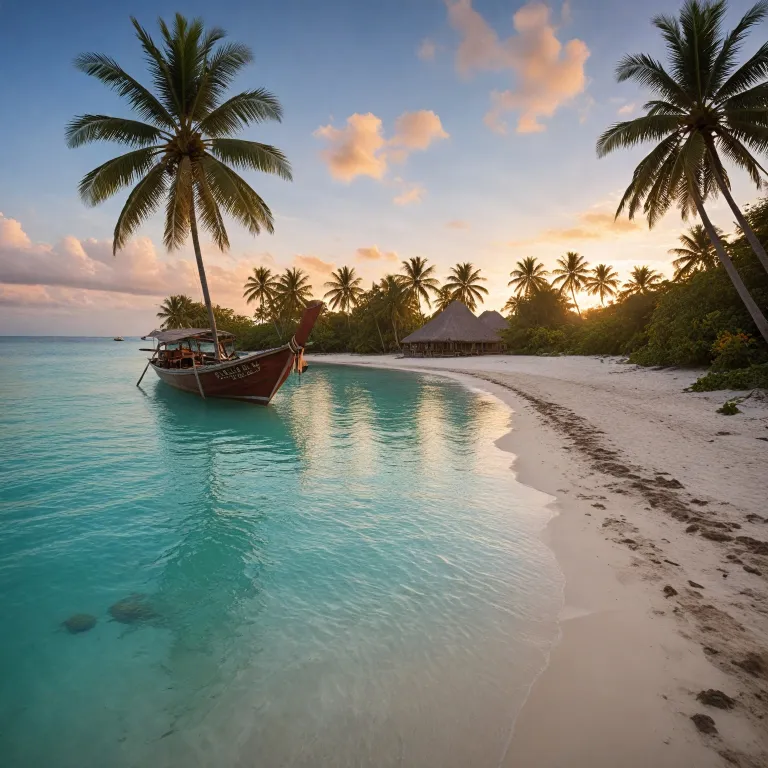
Understanding the best season to visit Zanzibar for luxury travel
Choosing the best season to visit Zanzibar is essential when planning a refined escape. On this Indian Ocean island, the relationship between season, climate and luxury hospitality shapes every detail of your stay, from room selection to curated excursions. For any person planning a premium holiday in Tanzania, aligning travel dates with the most favorable weather conditions ensures both comfort and value.
Zanzibar lies off the coast of Tanzania, and its climate is defined by alternating dry and rainy periods that influence prices, availability and service levels. Tourism authorities describe the best time as the two main dry season windows, when rains are minimal, temperatures are pleasant and the island’s infrastructure operates at full swing. According to local experts, “The best times to visit Zanzibar are during the dry seasons: June to October and December to February.”
During June to October, the weather patterns bring lower humidity, cooler temperatures around 26 °C and clear skies ideal for a beach holiday. This is widely considered the zanzibar best period for combining a Tanzania safari with a few relaxing days on the coast, because the dry season also favors wildlife viewing in every national park. Many travelers structure their time so that they explore mainland reserves first, then visit Zanzibar for water activities and cultural immersion.
From December to February, temperatures start to climb, reaching up to 34 °C, and the atmosphere becomes livelier, with more events and sunset cruises. This second dry season is another great time to visit Zanzibar, especially for guests who enjoy warm seas, vibrant nightlife and longer days. Luxury and premium hotels adjust their services to these weather conditions, offering shaded beach cabanas, cooling spa rituals and tailored dining schedules.
How Zanzibar’s seasons shape premium hotel choices and experiences
For travelers using a luxury and premium hotel booking website in Tanzania, understanding Zanzibar’s seasons is crucial for matching expectations with reality. The dry season from June to October offers mild temperatures, limited rain and calm seas, which is ideal for guests seeking serene pool decks and unhurried service. During this time visit, high end properties often reach peak occupancy, so booking several days in advance becomes essential.
In the hotter dry season from December to February, the island’s climate feels more tropical, and the weather conditions favor late evening activities and indoor wellness experiences. This is when wellness retreats and spa focused stays become particularly attractive, and many travelers consult a guide to luxury wellness experiences in Tanzania before finalizing dates. For a person sensitive to higher temperatures, choosing rooms with ocean breezes and shaded terraces can significantly enhance the overall experience.
The rainy season, split between short rains and long rains, requires more careful planning for a beach holiday. Short rains usually arrive in brief, intense bursts, often in the late afternoon, while the long rains can bring extended cloudy periods that affect some water activities. Although rates may be lower during these rainy months, travelers should weigh savings against the possibility of disrupted excursions and less predictable weather patterns.
Luxury hotels on the island respond to these shifts in climate by adjusting seasonal offers, dining concepts and curated excursions. During the dry season, sunset dhow cruises, private sandbank picnics and rooftop dinners in Stone Town are heavily promoted. In contrast, during rainy periods, properties emphasize spa rituals, cooking classes and cultural tours that remain enjoyable even when rain passes over Zanzibar and mainland Tanzania.
Weather patterns, rainy periods and what they mean for your itinerary
Planning the best season to visit Zanzibar starts with a clear view of its weather patterns across the month and season. The island experiences two main rainy phases, known locally as the long rains and the short rains, which alternate with the dry season intervals. Understanding how these rains behave helps you decide the best time for each part of your holiday, from safari to sea.
The long rains typically fall over several weeks, bringing heavier rain and more overcast skies that can limit visibility for snorkeling and diving. During this rainy season, sea conditions may become choppier, and some water activities are occasionally rescheduled or cancelled. While the climate remains warm, the combination of humidity and frequent showers can make certain outdoor experiences less comfortable for a person seeking uninterrupted sunshine.
The short rains, by contrast, often arrive as brief showers that clear quickly, leaving fresh air and dramatic skies over Zanzibar. Many residents consider this a surprisingly good time visit the island, because landscapes are lush, and crowds are thinner even though the weather conditions are still generally favorable. For flexible travelers, this can be a zanzibar best compromise between value, atmosphere and acceptable levels of rain.
Luxury hotels and premium resorts use detailed climate data to anticipate when temperatures start to rise or fall and to adjust services accordingly. During wetter periods, they may highlight indoor spa programs, private dining and cultural excursions, often partnering with specialists featured in resources such as this overview of elegant spa hotels in Tanzania. When the dry season returns, the focus shifts back to open air lounges, rooftop bars and extended beachside service that take full advantage of the island’s bright, clear days.
Combining Tanzania safari, national parks and Zanzibar’s coastal seasons
Many discerning travelers aim to combine a Tanzania safari with a refined stay on Zanzibar, making the choice of season even more strategic. The dry season from June to October is widely regarded as the best time for wildlife viewing in each national park, because vegetation is thinner and animals gather around water sources. Aligning these months with your beach holiday ensures that both the bush and the island offer optimal weather conditions.
During this period, days on safari are typically warm and clear, while evenings can be pleasantly cool, creating a comfortable rhythm for game drives and lodge dining. After several days in the reserves, most guests appreciate the softer climate of the island, where temperatures start to moderate in the late afternoon and sea breezes provide natural cooling. This combination makes June to October a great time to visit Zanzibar after exploring Tanzania’s interior.
From December to February, the second dry season brings hotter temperatures across both mainland Tanzania and Zanzibar, which appeals to travelers who enjoy intense sun and warm seas. A person planning water activities such as snorkeling, sailing or kitesurfing may find this the zanzibar best window, provided they are comfortable with higher heat. However, it is important to factor in that this is also a peak holiday period, so premium hotels and flights can sell out quickly.
During the rainy season, especially when the long rains are in full swing, some safari areas become harder to access, and certain coastal excursions may be limited. Nevertheless, experienced travel planners sometimes use the short rains to secure attractive rates while still enjoying many aspects of both safari and island life. When using a luxury hotel booking website in Tanzania, checking how each property describes its month by month climate and seasonal offers can help you fine tune the timing of your combined itinerary.
Stone Town, cultural experiences and choosing the right month for urban stays
Stone Town, the historic heart of Zanzibar City, offers a different perspective on the best season to visit Zanzibar compared with purely coastal areas. Here, narrow streets, shaded courtyards and traditional architecture soften the impact of high temperatures, especially during the cooler dry season months. For travelers who value culture as much as a beach holiday, timing their visit to coincide with key events can be as important as the weather itself.
During June and July August, the city often hosts major cultural gatherings, and the climate is generally comfortable for walking tours, rooftop dinners and evening concerts. These months fall within the main dry season, when rain is limited and the island’s weather conditions are stable, making it easier to plan full days of exploration. Many luxury hotels in and around Stone Town curate special experiences during this period, from private spice market visits to guided architectural walks.
In the hotter months from December to February, Stone Town’s alleys can feel more humid, but sea breezes still offer relief, particularly in late afternoon and evening. A person who enjoys vibrant nightlife and busy streets may find this a great time to stay in the city, especially when combining it with a few cooler days on the east coast. However, guests who are sensitive to heat might prefer the earlier part of the dry season, when temperatures start to rise more gradually.
During the rainy season, especially when the long rains are present, some outdoor events may be rescheduled, and walking tours can be interrupted by sudden showers. Yet the city retains its charm, with coffee houses, galleries and indoor cultural venues providing shelter from the rain and a deeper connection to Zanzibar’s heritage. When planning through a premium hotel booking platform, reviewing each property’s month year event calendar can help you align your stay with both favorable climate and meaningful cultural experiences.
Maximizing luxury value across seasons with smart booking strategies
For guests using a luxury and premium hotel booking website in Tanzania, the best season to visit Zanzibar is also the period when value, comfort and availability intersect. During the main dry season, demand is high, but so is the consistency of service, with every department operating at full swing and a complete range of activities on offer. Booking several days or even weeks ahead allows you to secure preferred room categories, especially those with ocean views and direct beach access.
Outside the peak dry season, particularly around the short rains, some premium properties introduce attractive offers that can significantly enhance your holiday budget. A person willing to accept a small chance of rain in exchange for quieter beaches and more personalized attention may find this a zanzibar best compromise. In these shoulder periods, temperatures remain warm, and many water activities continue, although operators may adjust schedules according to daily weather patterns.
During the long rains, rates can be at their lowest, but travelers should carefully consider how frequent rain might affect their ideal experience. If your priority is a classic beach holiday with uninterrupted sun, this is rarely the best time, even though the island’s landscapes are beautifully green. However, guests focused on wellness, gastronomy or cultural immersion may still enjoy these months, especially when staying at properties with strong indoor facilities and curated programs.
Throughout the year, integrating a coastal stay with inland exploration can elevate the overall trip, and many travelers research premium beachfront hotels in Tanzania before finalizing dates. By comparing how each hotel describes its climate expectations, rainy season policies and seasonal experiences, you can align your chosen month year with your personal preferences. This strategic approach ensures that your visit Zanzibar feels tailored, whether you prioritize calm seas, cultural events, or seamless connections to a Tanzania safari.
Practical tips for choosing your ideal time to visit Zanzibar
Selecting the best season to visit Zanzibar ultimately depends on how you balance climate, activities and crowd levels. If your priority is clear skies, gentle sea conditions and comfortable temperatures, the main dry season from June to October is usually the best time. These months offer reliable weather conditions for a beach holiday, cultural excursions in Stone Town and post safari relaxation after exploring a national park.
For travelers who enjoy hotter days and lively atmospheres, the second dry season from December to February can be a great time to visit Zanzibar. During this period, temperatures start higher, the sea feels warmer, and many water activities operate from early morning until late afternoon. However, because this is also a popular holiday window, a person seeking tranquility should choose smaller properties or travel slightly outside the busiest weeks.
Those considering travel during the short rains or long rains should think carefully about how flexible their plans can be. Short rains often bring brief showers that refresh the island without dominating the day, while the full swing of the long rainy season can significantly limit outdoor experiences. If you are comfortable adjusting activities around occasional rain, these periods may still provide a rewarding, less crowded way to experience Zanzibar and mainland Tanzania.
Whichever month you choose, allow enough days to settle into the island’s rhythm, ideally combining coastal relaxation with cultural visits and, when possible, a Tanzania safari. Pay attention to how each hotel describes its seasonal climate, including references to rainy season patterns, dry season highlights and specific month year recommendations. With this information, you can align your time visit with your expectations and ensure that your visit Zanzibar reflects the very best of the island’s changing seasons.
Key statistics about Zanzibar’s climate and tourism
- Average temperature during the June to October dry season is approximately 26 °C, offering comfortable conditions for outdoor activities.
- Average temperature from December to February can reach around 34 °C, favoring warm sea swimming and late evening events.
- Annual tourist arrivals are estimated at about 500 000 people, reflecting strong global interest in Zanzibar and Tanzania as premium destinations.
Frequently asked questions about the best season to visit Zanzibar
What is the best time to visit Zanzibar ?
The best time to visit Zanzibar is generally during the two main dry season periods, from June to October and from December to February. These months offer the most reliable weather conditions, with limited rain, pleasant or warmly tropical temperatures and calm seas. For travelers combining a Tanzania safari with a coastal stay, these windows also align well with peak wildlife viewing in many national parks.
What are the average temperatures in Zanzibar during the dry seasons ?
During the June to October dry season, average daytime temperatures in Zanzibar are around 26 °C, with relatively low humidity and refreshing breezes. From December to February, temperatures start higher and can reach about 34 °C, creating a more intense tropical feel that many beach lovers appreciate. In both periods, evenings are generally comfortable, although guests sensitive to heat may prefer the earlier dry season months.
Are there any major events in Zanzibar during the recommended travel periods ?
Yes, several cultural and artistic events take place during the recommended dry season months, especially around June and July August. These include internationally recognized festivals that bring music, film and performance to Stone Town, adding a vibrant dimension to a beach focused holiday. Travelers interested in such events should check specific dates for their chosen month year and book accommodations early, as premium hotels can fill quickly during these periods.