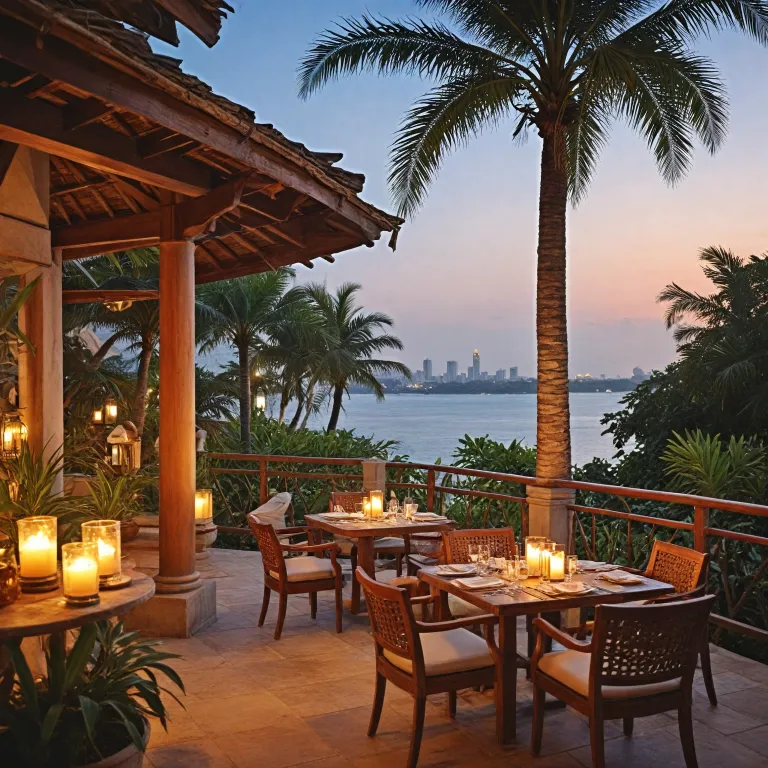
Coastal elegance and urban energy in Dar es Salaam
Planning refined things to do in Dar es Salaam starts with understanding how this coastal city shapes every stay. The city stretches along more than 100 kilometres of shoreline, so luxury travellers can balance oceanfront calm with vibrant streets in the heart of Dar. When you choose a premium hotel in the city, you position yourself for seamless access to both white sands and cultural highlights.
Many visitors arrive expecting only a transit hub for wider Tanzania safaris, yet the city itself rewards longer visiting. The best Dar properties curate private transfers, concierge designed itineraries, and late check out options that align with onward flights to a national park or island retreat. This level of service matters when you want to enjoy a final seafood lunch or gallery visit dar before heading inland.
High end hotels in Dar salaam Tanzania often sit within easy reach of Coco Beach and the diplomatic Oyster Bay area. From here, a short drive brings you to the central business district, the harbour, and the historic core of the city. This proximity allows a flexible day trip rhythm, where you can move from poolside relaxation to an evening walk along the waterfront in a single, unhurried afternoon.
For travellers comparing properties online, a clear privacy policy and transparent rate structure signal professionalism. Luxury guests expect clarity on data handling, loyalty benefits, and what is included in club level or suite bookings. When every detail is handled smoothly, you are free to focus on the most memorable things to do in Dar es Salaam rather than logistics.
Cultural highlights and museums for thoughtful itineraries
Among the most enriching things to do in Dar es Salaam, the National Museum and House of Culture stands out for depth and context. Located along Shaaban Robert Street, this national museum presents archaeology, ethnography, and contemporary art that illuminate Tanzania’s many ethnic groups. For luxury travellers, arranging a private guide adds nuance, especially if you are pairing the city with a national park journey.
The institution’s team notes : “The museum is open daily; specific hours may vary, so it's advisable to check their official website or contact them directly.” This flexibility allows you to schedule a morning visit before a coastal lunch or an afternoon stop after meetings in the city. Many premium hotels can coordinate transfers, timed tickets, and even specialist curators for in depth sessions.
Nearby, the Askari Monument offers a dignified pause in the flow of Dar traffic. This bronze landmark commemorates African soldiers from the region who served in global conflicts, and it anchors a key roundabout on Samora Avenue in the centre of Dar salaam. Combining the monument with the national museum creates a coherent narrative about the city, the nation, and wider East African history.
Travellers planning a broader safari often use Dar as a gateway to southern Tanzania, while Arusha serves the northern circuit. If you are considering a refined extension to Ngorongoro, consult a specialised guide to Ngorongoro Crater tours for refined travelers. Aligning museum visits with future wildlife experiences helps you appreciate how national park conservation, local culture, and city life interconnect across the country.
Markets, food experiences, and the rhythm of local life
Immersive markets rank among the most vivid things to do in Dar es Salaam, especially for guests staying in luxury hotels that can arrange guided visits. The famous Kariakoo market is a dense, energetic district where textiles, spices, and household goods fill every corner of the city blocks. Visiting with a knowledgeable local host helps you navigate the crowds, understand pricing, and engage respectfully with traders.
Many travellers pair Kariakoo market with a stop at the Kivukoni fish market on the waterfront. This fish market is most active in the early morning, when fishing boats unload their catch and auctions set the tone for the day’s food supply in Dar. You will see piles of tuna, octopus, and smaller coastal species, all forming the backbone of the city’s seafood culture.
The official guidance notes : “Coco Beach is a public beach with no entrance fee, but there may be charges for certain amenities or services.” After a morning at Kariakoo or Kivukoni fish, a relaxed afternoon at Coco Beach offers a welcome contrast. Many premium properties can prepare a curated picnic, arrange loungers, or time your return to the hotel spa for sunset treatments.
Food focused travellers should ask concierges for restaurant recommendations that highlight local ingredients from the market and fish market. Menus often feature grilled fish, coconut rice, and East African coastal curries that reflect the city’s layered culture. For guests continuing to the crater region, a stay at a high end lodge such as those featured in guides to luxury safari experiences in Ngorongoro can extend this culinary journey with refined bush dining.
Islands, white sands, and coastal day trips from the city
For many guests, the most relaxing things to do in Dar es Salaam involve escaping the urban tempo for a day trip on the water. From the harbour, boats shuttle visitors to nearby islands where marine reserves, coral, and white sands frame the horizon. Bongoyo Island is among the most popular choices, offering clear shallows, shaded bandas, and a simple beach restaurant serving grilled fish.
Luxury hotels in Dar salaam Tanzania often coordinate private transfers and boat charters to Bongoyo Island and neighbouring islets. This allows you to time your visiting around tides, avoid the busiest departures, and enjoy a quieter stretch of white sands. Some properties can even arrange chilled champagne, fresh fruit platters, and snorkelling equipment for a seamless coastal escape.
Back on the mainland, Coco Beach in Oyster Bay remains a favourite for both locals and visitors. The shoreline here is less about seclusion and more about the social rhythm of Dar, especially on weekends and public holidays when music, street food, and families fill the park like promenade. If you prefer calmer moments, ask your concierge to suggest early morning or weekday windows when the city feels gentler.
Travellers who value privacy policy clarity and security should confirm how their chosen hotel handles third party boat operators and external excursions. A reputable property will outline insurance coverage, safety standards, and your rights reserved when booking marine activities through the concierge. For those planning a longer coastal and safari combination, resources on premium accommodation in Dar es Salaam can help you align city stays with wider Tanzania itineraries.
Art, culture, and contemporary East African creativity
Beyond beaches and markets, culturally inclined travellers will find many rewarding things to do in Dar es Salaam linked to the city’s creative scene. Nafasi Art Space in Mikocheni B has become a key platform for emerging artists, offering studios, exhibitions, and performances that reflect contemporary Tanzania. Visiting this cultural centre with a guide or curator can deepen your understanding of how local artists interpret city life, national history, and regional change.
Workshops at Nafasi often introduce guests to painting, printmaking, or performance, which can be a meaningful complement to more traditional museum visits. When combined with the National Museum and House of Culture, you gain a layered view of how different generations across Dar and wider salaam Tanzania express identity. This dual perspective is especially valuable for travellers interested in the many ethnic groups that shape the country’s social fabric.
Elsewhere in the city, galleries and design studios showcase East African fashion, jewellery, and homeware suitable for refined souvenirs. Ask your hotel concierge to recommend spaces that work ethically with artisans, ensuring fair payment and transparent sourcing in both singular pieces and curated collections. This approach aligns with the expectations of luxury guests who value responsible travel as much as comfort.
Evenings in Dar can blend culture and cuisine, with live music venues, coastal lounges, and fine dining restaurants offering a sophisticated atmosphere. Many menus highlight local food traditions, from spiced grilled fish to coconut rich curries that echo the flavours of the fish market and Kariakoo market stalls. Planning your nights with the same care as a safari schedule ensures your trip Dar feels balanced, engaging, and attuned to the city’s creative pulse.
From city stays to national parks and curated safaris
For many visitors, the most strategic things to do in Dar es Salaam involve using the city as a refined launchpad for wider Tanzania exploration. Premium hotels near the airport or coastline can coordinate transfers, luggage storage, and flexible check in for guests heading to a national park. This support is invaluable when you are connecting a coastal city stay with a high end safari in the south or west.
While Dar is not the closest city to every national park, it offers strong flight links and a cosmopolitan base. Travellers often pair a few nights in the city with fly in safaris to Selous, Ruaha, or other reserves, enjoying both urban comfort and remote wilderness. In each case, your hotel’s concierge can liaise with safari operators to align schedules, dietary needs, and special requests.
When reviewing safari proposals, pay attention to how operators describe their approach to local communities and conservation. Responsible companies highlight partnerships with nearby villages, respect for wildlife viewing guidelines, and clear privacy policy statements regarding guest data. Ensuring your rights reserved are respected across both city and safari bookings contributes to a smoother, more secure journey.
Returning to Dar after days in the bush can feel like a gentle re entry to modern comforts. Many travellers appreciate a final spa treatment, a seafood dinner featuring fresh fish from the coast, or a quiet walk along the waterfront park before flying home. By treating the city as an integral part of your itinerary rather than a simple transit point, you unlock a richer understanding of salaam Tanzania and its role within the broader East African travel landscape.
Practical guidance for luxury hotel bookings in Dar es Salaam
Choosing the right property is central to enjoying the finest things to do in Dar es Salaam. Start by mapping your priorities : proximity to the coast, easy access to the city centre, or a quieter residential setting with more space. Luxury hotels in Dar often differentiate themselves through concierge strength, spa quality, and how well they tailor experiences to individual guests.
When reviewing options online, look closely at room categories, suite layouts, and included services. Some properties offer club floors with dedicated lounges, while others emphasise large balconies, ocean views, or private plunge pools that frame the white sands below. Clarify whether airport transfers, late check out, or guided day trip arrangements are part of the rate or chargeable extras.
It is also wise to read each hotel’s privacy policy carefully, especially if you are sharing passport scans, payment details, or special preferences in advance. Reputable brands explain how guest data is stored, how long it is retained, and what rights reserved you hold regarding deletion or correction. This level of transparency aligns with the expectations of discerning travellers who value both comfort and digital security.
Finally, consider how a property supports access to key city experiences such as the national museum, Kariakoo market, Kivukoni fish market, and Bongoyo Island. A strong concierge team will proactively suggest tailored itineraries, from half day cultural circuits to full day coastal escapes and curated trip Dar combinations. With thoughtful planning, your visit dar can weave together city sophistication, coastal fun, and seamless connections to Tanzania’s most celebrated national landscapes.
Key statistics for planning your stay in Dar es Salaam
- Annual visitors to the National Museum and House of Culture : 50 000 people.
- Approximate length of the Dar es Salaam coastline : 100 kilometres.
Essential questions about visiting Dar es Salaam
What are the operating hours of the National Museum and House of Culture?
The museum is open daily, but specific hours can change with seasons, public holidays, or special events. Travellers should check the official website or contact the institution directly before planning a visit. Hotel concierges in Dar can also confirm current times and arrange transfers.
Is there an entrance fee for Coco Beach?
Coco Beach functions as a public beach, so there is no formal entrance fee to access the shoreline. However, visitors may pay for parking, sun loungers, food stalls, or certain leisure services along the waterfront. Luxury hotels can advise on expected costs and the best times to enjoy the area.
How can I participate in events at Nafasi Art Space?
Prospective visitors should consult Nafasi Art Space’s official website or contact the team directly to learn about current exhibitions, workshops, and performances. Many events welcome international guests, and some offer English language guidance or artist talks. Your hotel concierge can help with transport, reservations, and timing within a wider city itinerary.