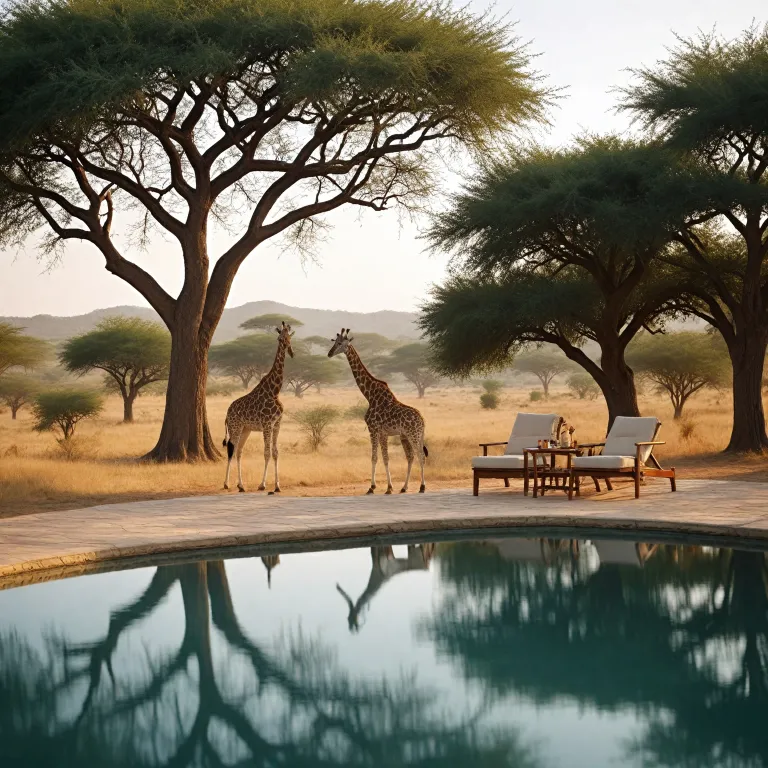
Why the Tanzania countryside defines African luxury travel
The Tanzania countryside offers a rare balance between refined comfort and raw African wilderness. In this vast country, more than half the population still lives in rural areas, so every person you meet adds authenticity to a premium stay. For travelers seeking luxury, this rural character shapes how you will experience each national park and conservation area.
From northern Tanzania to the southern parks reserves, landscapes shift from acacia plains to volcanic crater rims. A single day can move from a polished city hotel in Dar es Salaam to a secluded camp beside a river in park Tanzania, yet service standards remain consistently high. This contrast between city and countryside is central to luxury travel in Africa, especially for guests combining safari with coastal relaxation.
High end properties in the Tanzania countryside increasingly rely on accurate rural data to plan services. Institutions such as the National Bureau of Statistics in Dodoma and international partners use census methods, household surveys, and mobile tools to understand how rural communities live and work. Their findings guide investments in staff training, supply chains, and infrastructure that directly influence your stay in national parks and nearby villages.
When visiting rural areas, it's advisable to have a local guide familiar with the region. Ensure you have appropriate vaccinations and health precautions before traveling. Respect local customs and traditions to foster positive interactions with communities.
For luxury guests, this means that every game drive, every transfer between parks reserves, and every interaction with staff is shaped by long term demographic and socio economic planning. The result is a countryside travel experience in Tanzania that feels both polished and deeply rooted in local life. Understanding this context helps you choose properties that align with responsible African tourism values.
Choosing luxury stays around Serengeti, Ngorongoro and Lake Manyara
The northern Tanzania safari circuit is the classic gateway to the Tanzania countryside for premium travelers. Here, Serengeti National Park, the Ngorongoro Conservation Area, Lake Manyara National Park, and Tarangire National Park form a chain of protected landscapes. Each national park offers distinct scenery, wildlife behavior, and luxury accommodation styles that shape your travel rhythm.
In Serengeti, many guests split time between central plains and more remote areas to vary their game drive experiences. The serengeti national ecosystem supports immense herds, and luxury lodges use private vehicles, expert guides, and flexible schedules to avoid crowds during peak season. In low season, rates often soften while the countryside becomes greener, making this period attractive for guests who value space and quieter parks reserves.
Near the Ngorongoro Crater, high end properties sit on the rim or within the wider ngorongoro conservation area. These stays combine sweeping crater views with easy access to the floor for early morning wildlife viewing, and they often coordinate with local communities on conservation and employment. For curated options, many travelers research luxury hotels near Ngorongoro to compare locations, room categories, and private safari services.
Lake Manyara and Manyara National Park offer a more intimate Tanzania countryside setting. Here, forested slopes, alkaline lakes, and village farmland sit close together, so a person can move from cultural visits to bird rich wetlands in a single day. Premium lodges in this area often emphasize sustainability, using solar power and local produce while still delivering refined dining and attentive service.
Throughout this northern Tanzania region, access usually runs through Kilimanjaro International Airport or Arusha city, with road or light aircraft connections into each park Tanzania. Careful planning of transfers between Serengeti, Ngorongoro Crater, Lake Manyara, and Tarangire National Park helps you maximize time on safari while minimizing travel fatigue. This is where a specialist luxury and premium hotel booking website in Tanzania becomes particularly valuable.
Southern and eastern Tanzania countryside for exclusive safaris
Beyond the famous northern Tanzania circuit, the Tanzania countryside in the south and east offers a more secluded style of African luxury. Nyerere National Park, formerly part of the Selous, is one of the largest protected areas in Africa and remains lightly visited. For a person seeking privacy, this area delivers long game drive routes with few other vehicles and a strong sense of wilderness.
High end camps in Nyerere National Park often combine vehicle safaris with boat excursions and guided walks. This mix allows you to experience park Tanzania from river channels, open plains, and woodland, creating a varied day on safari. During low season, some properties close due to heavy rains, so your travel dates will strongly influence which luxury options are available.
Further west and south, additional national parks and conservation area landscapes extend the Tanzania countryside experience. These parks reserves may require longer internal flights from Dar es Salaam or another city, but the reward is deep immersion in African nature. Many luxury camps here operate with fewer rooms, emphasizing personalized hosting, flexible schedules, and tailored activities for each guest or small group.
On the eastern side of the country, Dar es Salaam acts as a key gateway between international and rural experiences. The city connects via Julius Nyerere International Airport to domestic flights serving Nyerere, Ruaha, and other national parks. Travelers often spend a night in a premium city hotel before or after their countryside safari, balancing urban comfort with the remoteness of the African bush.
These southern and eastern regions highlight how diverse the Tanzania countryside can be for luxury travel. From riverine forests to miombo woodland, each area supports different wildlife densities and seasonal patterns that shape your game drive expectations. A specialist booking platform helps you align park choices, flight routes, and preferred level of exclusivity across this wide country.
Access, airports and timing your Tanzania countryside stay
Planning a luxury journey into the Tanzania countryside begins with understanding access points and travel timing. Most international visitors arrive via Kilimanjaro International Airport in the north or Julius Nyerere International Airport near Dar es Salaam in the east. Your chosen airport will largely determine whether you focus on northern Tanzania parks reserves or the southern and eastern national parks.
From Kilimanjaro International, travelers typically connect to Arusha city, the staging point for Serengeti National Park, Ngorongoro Crater, Lake Manyara, Manyara National Park, and Tarangire National Park. Light aircraft flights then link these national park airstrips, reducing road time and adding scenic aerial views of the Tanzania countryside. A luxury and premium hotel booking website in Tanzania can coordinate these flights with lodge check in and check out times to avoid unnecessary waiting.
From Dar es Salaam, Julius Nyerere International Airport serves as the main hub for Nyerere National Park and other southern parks reserves. Here, the Tanzania countryside quickly replaces the city skyline as you fly over rivers, wetlands, and forested conservation area zones. Many high end camps include shared or private charter flights in their packages, simplifying logistics for each person or family.
Seasonality is another crucial factor when planning your African journey. Peak season often aligns with drier months, when wildlife concentrates around water sources in park Tanzania and game drive conditions are easier. Low season brings greener landscapes, fewer vehicles in national parks, and sometimes attractive rates, though certain areas may be harder to access.
Because this country spans multiple climatic zones, the best time for Serengeti or Ngorongoro Conservation Area may differ from Nyerere or other southern parks. A tailored itinerary considers your tolerance for heat, interest in specific wildlife events, and preference for quieter or livelier lodges. Thoughtful timing ensures your Tanzania countryside stay feels both luxurious and well paced.
How luxury booking platforms curate Tanzania countryside experiences
For travelers seeking premium stays, a specialized hotel booking website in Tanzania does more than list rooms. These platforms curate properties across the Tanzania countryside, from Serengeti National Park to Nyerere National Park and beyond. Their role is to match each person with the right combination of national park, lodge style, and activity level.
Curated collections often categorize properties by area, such as northern Tanzania, southern parks reserves, or coastal extensions. Within each region, they highlight how close a lodge sits to key features like the Ngorongoro Crater, Lake Manyara, Manyara National Park, or Tarangire National Park. This helps you understand how much time you will spend on game drive transfers versus relaxing at your chosen retreat.
Many platforms also emphasize conservation area credentials and community partnerships. They may showcase lodges that support ngorongoro conservation projects, employ local staff from the Tanzania countryside, or fund education initiatives in nearby villages. For discerning African travelers, these details build trust and align luxury with responsible tourism values.
To deepen your research, you can consult independent reviews of the best safari lodges in Tanzania that focus on both wildlife and service quality. Such resources evaluate how well properties manage logistics from international airport arrivals to remote park Tanzania locations. They also assess guiding standards, vehicle comfort, and the overall atmosphere of each national park stay.
Behind the scenes, booking platforms rely on data from national and international institutions to understand rural demographics and infrastructure. As of 2024, Tanzania's rural population is approximately 42.4 million people. In 2024, about 61.9% of Tanzanians reside in rural areas. Between 2017 and 2018, the average household size in rural Tanzania was 4.9 persons. These figures help predict staffing needs, supply routes, and the long term viability of luxury operations in the Tanzania countryside.
Designing an elegant multi park itinerary across the Tanzania countryside
An elegant itinerary through the Tanzania countryside usually combines several national parks and conservation area landscapes. Many luxury travelers begin in northern Tanzania, linking Lake Manyara, Manyara National Park, Ngorongoro Crater, and Serengeti National Park in a logical sequence. This route minimizes backtracking while maximizing time in varied African habitats.
A typical journey might start with a gentle introduction at Lake Manyara, where forest and lake views ease you into the rhythm of game drive life. From there, you ascend to the Ngorongoro Conservation Area, spending a day on the crater floor before retreating to a refined lodge on the rim. Continuing into Serengeti, you then split time between different serengeti national regions to experience both open plains and quieter corners of park Tanzania.
For guests with more time, Tarangire National Park adds a contrasting Tanzania countryside setting. Its baobab dotted landscapes and seasonal elephant concentrations offer a different mood from the crater and Serengeti, especially outside peak season. Combining these northern parks reserves with a later extension to Nyerere National Park or another southern area creates a comprehensive view of the country.
Some itineraries also weave in time near Mount Kilimanjaro or Mount Meru without attempting full ascents. Luxury lodges on the slopes provide views of these peaks, gentle walking trails, and cultural visits to nearby villages. This approach lets a person appreciate the iconic mountains of East Africa while keeping the focus on relaxation rather than strenuous trekking.
Throughout such a journey, a specialist booking website coordinates flights, transfers, and room categories across multiple properties. They ensure that each national park stay aligns with your preferences for privacy, guiding style, and level of immersion in the Tanzania countryside. The result is a seamless African travel experience that feels both carefully structured and pleasantly unhurried.
Practical considerations for luxury guests in rural Tanzania
Even in the most refined lodges, the Tanzania countryside remains a genuinely wild environment. Luxury travelers should prepare for variable road conditions, early morning wake up calls for game drive departures, and the occasional change of plan due to weather. Embracing this flexibility allows you to enjoy the spontaneity that defines African safari life.
Health and safety planning begins before you leave your home country. Consult a medical professional about vaccinations and malaria precautions for travel in East Africa, including rural Tanzania and its national parks. Many high end properties maintain close links with medical services in Arusha, Dar es Salaam, or another city, and evacuation cover is strongly recommended for every person.
Respect for local communities is another key aspect of responsible luxury. Rural households in the Tanzania countryside often have larger average sizes than urban ones, and many depend on agriculture or tourism related employment. By choosing lodges that support ngorongoro conservation projects, community conservancies, or education initiatives, you help strengthen the long term relationship between national parks and surrounding villages.
When packing, prioritize neutral clothing suitable for both warm days and cooler evenings on the crater rim or in higher altitude areas near Mount Meru. Many lodges offer same day laundry, so you can travel light while still maintaining an elegant appearance at dinner. Soft bags are usually preferred on light aircraft flights between parks reserves, as they fit more easily into smaller luggage compartments.
Finally, consider how much time you wish to spend offline during your journey. While many luxury properties in park Tanzania now offer some level of connectivity, signal strength can vary across the Tanzania countryside. Treat this as an opportunity to slow down, focus on the African landscapes around you, and fully appreciate the privilege of staying in such remarkable national park settings.
Key statistics on rural Tanzania and countryside travel
- Tanzania's rural population is estimated at around 42.4 million residents, underscoring how central the countryside is to the country's identity.
- Approximately 61.9% of the national population lives in rural areas, meaning most tourism staff and many lodge suppliers come from the Tanzania countryside.
- Average household size in rural Tanzania is close to 4.9 persons, shaping community structures around national parks and conservation areas.
Questions travelers often ask about the Tanzania countryside
What is the current rural population of Tanzania?
The rural population of Tanzania is estimated at about 42.4 million people. This figure highlights how important the Tanzania countryside is for both the national economy and the tourism workforce. When you stay in luxury lodges, many staff members will have grown up in these rural communities.
What percentage of Tanzanians live in rural areas?
Roughly 61.9% of Tanzanians live in rural areas across the country. This means that national parks, conservation areas, and surrounding villages are home to the majority of citizens. As a traveler, your spending in the Tanzania countryside can therefore have a meaningful impact on local livelihoods.
What is the average household size in rural Tanzania?
The average household in rural Tanzania includes about 4.9 persons. This larger household structure often supports extended family networks, which are common in the Tanzania countryside. Understanding this context can enrich your cultural interactions during village visits or community led activities near national parks.