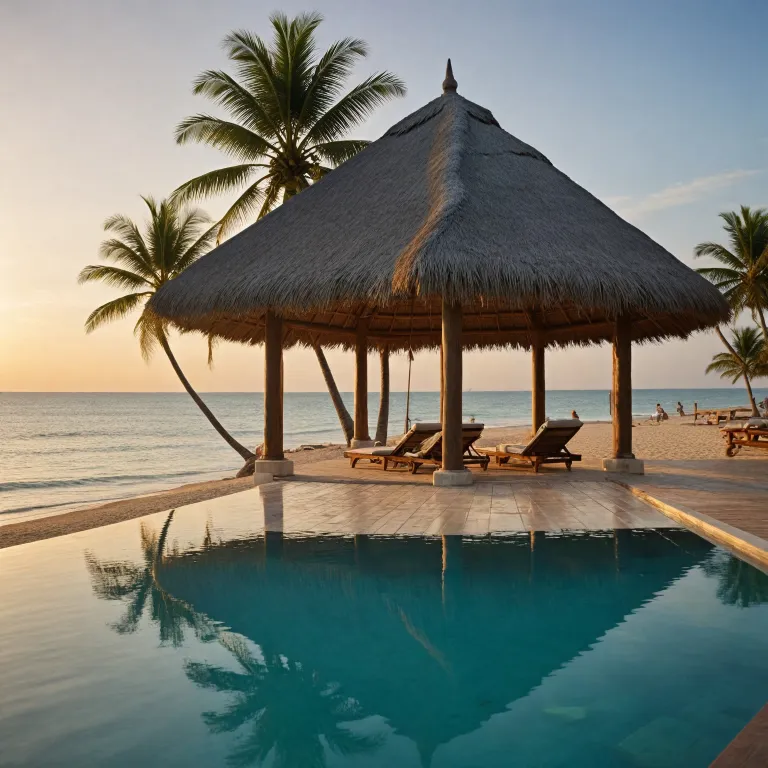
How the seasons shape the best time to go to Zanzibar
Choosing the best time to go to Zanzibar starts with understanding its tropical rhythm. The island sits off the coast of Tanzania, and its seasons define every beach, every activity, and the overall mood of your holiday days. For travellers comparing months, the cool dry season from June to October and the hot dry season from December to February usually offer the best time for a relaxed island stay.
During these dry season windows, Zanzibar weather brings lower humidity, calmer seas, and long sunny days. Average temperatures hover around 26 °C from June to October, then climb towards 33 °C between December and February, which many guests consider ideal for a beach holiday with refined comfort. These weather conditions create excellent time to visit for couples, families, and honeymooners seeking premium hotels with direct access to pristine beaches.
The long rainy season from March to May transforms the island with lush greenery, but heavy rains can disrupt beach plans. Short rains in November are usually brief, yet they still influence daily time in the water and on the sand. Understanding these weather patterns helps you decide not only the best month to travel, but also which luxury or premium property will match your expectations for service, privacy, and curated experiences.
For visitors combining safari and sea, the best time to go to Zanzibar often aligns with the wildebeest migration on the mainland. Many guests fly from Dar Salaam after a few days in the bush, timing their arrival to enjoy the dry season and gentle sea breezes. This balance between safari drama and tranquil island beaches is one of Tanzania’s most compelling travel narratives.
Dry season elegance: June to October as a refined window
From June to October, the dry season offers many travellers the best time to go to Zanzibar for comfort and clarity. Zanzibar weather is pleasantly warm rather than intensely hot, and the island enjoys low rainfall with stable conditions. This is a particularly attractive time visit for guests who prioritise calm seas, clear skies, and a polished beach holiday experience.
During these months, daytime temperatures usually sit around 26 °C, which feels gentle on the skin while you stroll along a Zanzibar beach or relax by an infinity pool. Sunny days are frequent, and the moderated humidity makes it easier to explore Stone Town’s alleys or dine al fresco at high end hotels. For many, this is also the best time for water sports, as sea breezes are refreshing without making the waves too rough.
Diving conditions in this dry season are often excellent, with good visibility and predictable currents. Many luxury travellers plan their time Zanzibar around these months to combine reef diving, sailing, and spa treatments in one seamless itinerary. If you are pairing your island stay with an elevated safari lodge such as those highlighted in this guide to immersive safari experiences in Tanzania, June to October can provide a smooth transition from bush to beach.
Because this is a peak season, premium hotels and resorts on the island often reach high occupancy. Time to visit should therefore be planned well in advance, especially if you want specific room categories or private villas. For discerning guests, this period offers some of the best conditions to visit Zanzibar, but it also rewards early booking and careful coordination with trusted local partners.
Hot dry months: December to February for vibrant island energy
The second main dry season, from December to February, brings a different character to the best time to go to Zanzibar. Temperatures rise towards 33 °C, and the island feels more tropical, with warm evenings and a lively social atmosphere. Many guests choose this time Zanzibar for festive beach holidays, honeymoons, and extended holiday days in premium coastal retreats.
During these months, Zanzibar weather is typically hot and dry, with minimal rains and long stretches of sunshine. The sea around the island is warm, which suits relaxed swimming, snorkelling, and gentle water sports close to the shore. For travellers who enjoy vibrant pool scenes, sunset cocktails, and late dinners, this can be the best month range to visit Zanzibar and enjoy its more energetic side.
Diving conditions remain appealing, although slightly warmer water can influence marine life behaviour and visibility. Many luxury travellers combine a few days in Stone Town with several days on the beaches, using Dar Salaam as an international gateway. This pattern allows you to experience the island’s cultural heart, then retreat to a quiet Zanzibar beach resort where personalised service and curated excursions define each day.
Because this period overlaps with global holiday seasons, the island’s premium hotels often host special events and private dinners. Time visit planning should therefore consider not only weather conditions but also availability, minimum stay requirements, and transfer schedules. For guests who appreciate warm nights, lively ambience, and consistently dry weather, these months can represent the best time to go to Zanzibar for a luxurious yet dynamic escape.
Rainy seasons, value, and quieter luxury on the island
While many travellers focus on the dry season, understanding the rainy season is essential when evaluating the best time to go to Zanzibar. From March to May, the long rains bring heavy downpours, higher humidity, and more unpredictable weather patterns. For some, this is not the best time for a classic beach holiday, but it can still suit guests seeking tranquillity, value, and lush island scenery.
During these months, Zanzibar weather can shift quickly from sunshine to intense showers, sometimes several times in a single day. Beach conditions vary, and water sports may be limited by rougher seas or reduced visibility, affecting diving conditions and snorkelling. However, the island’s vegetation becomes vivid, and quieter beaches can appeal to travellers who prefer privacy over perfect weather conditions.
November brings the short rains, which usually consist of brief showers rather than continuous rainfall. This shoulder period can offer a compromise between lower rates, fewer crowds, and manageable rains, especially for flexible guests. Time Zanzibar during these months may not provide the absolute best time for uninterrupted sun, but it can still deliver rewarding experiences in well managed luxury properties.
For travellers combining a Tanzania camping safari with coastal relaxation, it may be worth reviewing this overview of premium comfort and luxury safari stays before fixing dates. Aligning your safari days with the wildebeest migration and then choosing a quieter island period can create a balanced itinerary. When assessing the best time to go to Zanzibar, consider not only the rains and dry spells, but also your tolerance for changing conditions and your preference for either lively or serene hotel environments.
Aligning safari, wildebeest migration, and Zanzibar beach stays
For many visitors, the best time to go to Zanzibar is closely linked to their safari schedule on the mainland. The wildebeest migration in Tanzania’s northern parks is a powerful draw, and travellers often plan their time visit to the island around this spectacle. By coordinating both elements, you can enjoy dramatic wildlife encounters followed by restorative days on a Zanzibar beach.
In practice, this means looking at months when safari conditions and Zanzibar weather both align favourably. Dry season periods typically offer the best time for game viewing, with thinner vegetation and reliable water sources attracting wildlife. These same months usually bring dry conditions and sunny days to the island, creating a seamless transition from bush to beach holiday.
Many itineraries route through Dar Salaam, where guests connect to short flights onward to the island. After early mornings on safari, the slower rhythm of Zanzibar, with its soft beaches and warm sea, provides a welcome contrast. Time Zanzibar after a safari also allows you to adjust your pace, moving from active game drives to leisurely water sports, spa treatments, and unhurried dinners.
When planning, consider how many days you want to allocate to each element, and which month offers your personal best time balance. Some guests prefer more days on the island to recover from long haul flights and early safari starts. Others choose a shorter beach stay, focusing on specific activities such as diving, kitesurfing, or cultural tours in Stone Town, all shaped by the prevailing weather conditions and sea state.
Choosing luxury and premium hotels by season and weather
Once you understand the best time to go to Zanzibar, the next step is selecting the right luxury or premium hotel for each season. During the dry season, properties on the island’s east and north coasts are particularly popular, thanks to wide beaches and favourable tides. These areas often provide the best time for long beach walks, sunrise views, and easy access to water sports centres.
In the hotter months, some travellers prefer hotels with shaded gardens, deep pools, and strong air conditioning. Zanzibar weather can feel intense around midday, so thoughtful design and attentive service become crucial for comfort. When comparing options, consider how each property manages sunny days, from poolside cabanas to in room cooling and flexible dining times.
During the rainy season, a carefully chosen hotel can transform variable weather conditions into a cosy, indulgent experience. Spacious suites, wellness facilities, and refined dining help you enjoy your holiday days even when rains arrive. For many guests, this is also a time Zanzibar when rates are more attractive, allowing upgrades to higher room categories or longer stays.
To explore how premium stays work across Tanzania, including on the coast, you may find this guide to affordable luxury hotels and premium stays particularly useful. It can help you align your expectations of service, space, and amenities with the realities of each season. When evaluating the best time to go to Zanzibar, remember that the right hotel can elevate almost any month, provided you understand the likely weather patterns and plan your activities accordingly.
Practical planning: weather conditions, activities, and local insights
Effective planning for the best time to go to Zanzibar involves more than simply choosing a dry month. You should also consider specific activities, from diving and snorkelling to cultural tours and sailing. The Zanzibar Tourism Board notes that “The best time to visit Zanzibar is during the dry seasons: June to October and December to February.”
For diving conditions, visibility and currents can vary by site, season, and even time of day. Many operators recommend certain months as the best time for particular reefs, so consult local experts when arranging your time visit. If you are keen on water sports such as kitesurfing or sailing, ask hotels about seasonal wind patterns and how they affect different beaches.
Stone Town offers rewarding experiences year round, though cooler, drier months are often more comfortable for walking tours. On hotter days, plan indoor visits during midday, reserving mornings and late afternoons for exploring the island’s historic lanes. When travelling via Dar Salaam, allow enough time between flights to account for regional weather conditions and potential delays.
Finally, pack for variable Zanzibar weather, even in the dry season, with light layers, sun protection, and a compact rain jacket. Consider travel insurance that covers weather related disruptions, especially if visiting during the long or short rains. By aligning your expectations with the island’s climate, you can transform your chosen month into your personal best time to go to Zanzibar, whether you prioritise calm seas, cultural immersion, or seamless connections with a mainland safari.
Key Zanzibar climate statistics for luxury travel planning
- Average daytime temperature from June to October is around 26 °C, offering comfortable conditions for beach activities and cultural excursions.
- Average daytime temperature from December to February rises towards 33 °C, creating a hotter but still appealing environment for a vibrant beach holiday.
- Average rainfall in April reaches approximately 303 mm, marking it as part of the long rainy season with higher humidity and more frequent showers.
Essential questions about the best time to go to Zanzibar
What is the best time to visit Zanzibar?
The best time to visit Zanzibar is during the dry seasons: June to October and December to February. These months usually provide the most reliable weather conditions for a beach holiday, with lower humidity and plenty of sunny days. They are also ideal for combining the island with a mainland safari, thanks to favourable wildlife viewing conditions.
Is it advisable to visit Zanzibar during the rainy seasons?
Visiting during the long rainy season from March to May is less advisable for travellers who prioritise uninterrupted beach time, as heavy rains and higher humidity can affect daily plans. The short rainy season in November brings briefer showers, which many guests find manageable, especially when staying in well equipped luxury hotels. Travellers who value quieter resorts and potential rate advantages may still find these months appealing, provided they remain flexible.
What activities are best during the dry seasons in Zanzibar?
During the dry seasons, beach activities, diving, and exploring cultural sites are particularly rewarding. Calm seas and clear skies support excellent diving conditions, snorkelling, and a wide range of water sports along the island’s beaches. Cooler, less humid air also makes it easier to enjoy walking tours in Stone Town and full day excursions to nearby islands and marine reserves.